
India’s agricultural sector is witnessing a transformation powered by innovation, technology, and a renewed focus on sustainable farming. Among the most exciting trends is the rise of strawberry cultivation in India—once a novelty, now a booming business opportunity—and the increasing relevance of tissue culture lab design in ensuring high-quality, disease-free plant propagation.
As consumers shift toward healthy, fresh, and locally grown produce, strawberries are emerging as a sweet symbol of agricultural prosperity. At the same time, biotechnology companies like Sheel Biotech are revolutionizing how India produces and multiplies high-yield crops through cutting-edge tissue culture solutions.
Let’s dive deeper into these two game-changing trends reshaping Indian farming.
The Strawberry Boom in India: More Than Just a Trend
Traditionally limited to cooler regions like Mahabaleshwar or Himachal Pradesh, strawberries are now being cultivated across various Indian states with the help of controlled-environment farming and improved plant varieties. The demand for strawberry plants in India has seen a significant rise, especially among agripreneurs and progressive farmers.
Why Strawberries?
- High market value due to increasing demand in urban and semi-urban areas.
- Short cultivation cycle with multiple harvests in a season.
- Rich nutritional profile—antioxidants, vitamins, and fiber.
- Versatile usage in desserts, smoothies, jams, and processed food industries.
The increasing focus on cultivating this fruit has led to a demand for high-quality, disease-resistant planting materials, which is exactly where companies like Sheel Biotech step in—offering healthy, tissue-cultured strawberry plants that ensure high survival rates and improved yields.
Sheel Biotech’s Role in Revolutionizing Strawberry Farming
Sheel Biotech has been instrumental in making strawberry plants in India more accessible and profitable. By leveraging tissue culture technology, they provide farmers with genetically uniform, virus-free, and vigorous plantlets that can be grown even in non-traditional zones.
These strawberry plants are:
- Adapted to Indian climatic conditions.
- Designed to produce uniform fruits.
- Resistant to common soil-borne diseases.
- Tested for consistent sweetness and longer shelf-life.
This ensures that farmers not only earn better profits but also deliver superior produce to the market.
The Backbone of Innovation: Tissue Culture Lab Design
As demand for high-quality planting materials surges, another quiet revolution is happening in the background—tissue culture lab design is becoming the nucleus of modern agricultural success.
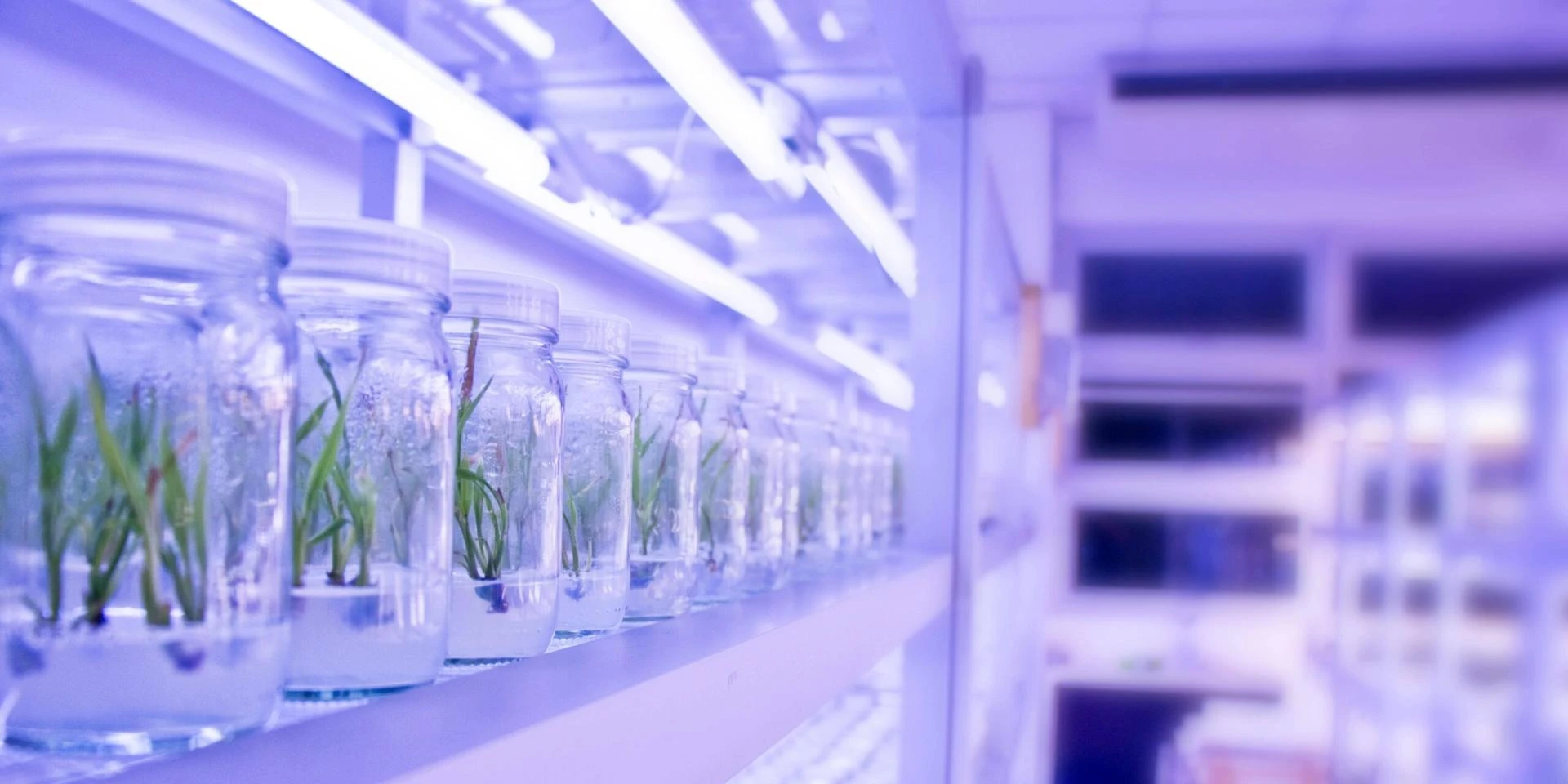
Plant tissue culture involves growing plants in sterile, controlled conditions, ensuring that each plantlet is identical to the parent plant and free from pests or diseases. For this to happen at scale, the lab infrastructure must be flawless—and that’s where innovation in design makes all the difference.
What Makes a Modern Tissue Culture Lab Effective?
- Zoning and Workflow Optimization: Separate areas for media preparation, sterilization, inoculation, and hardening to avoid contamination.
- Sterile Environment: Use of HEPA filters, UV sterilization, and cleanroom architecture.
- Temperature and Humidity Control: Crucial for consistent culture success.
- Energy-Efficient Lighting: LED lighting systems tailored to the needs of specific crops.
- Digital Monitoring Systems: For real-time data and automation.
Sheel Biotech’s Expertise in Tissue Culture Lab Design
When it comes to developing customized, scalable tissue culture lab design solutions, Sheel Biotech is a name trusted by research institutes, agri-businesses, and state governments across India.
Their labs are:
- Fully compliant with global phytosanitary standards.
- Designed to be modular and expandable.
- Equipped with automation for higher throughput.
- Supported with training and operational know-how.
The result? A seamless end-to-end solution that allows agri-ventures to scale up propagation, reduce input costs, and deliver better-quality crops to market faster.
Strawberries and Science: A Powerful Combination
Imagine this: a farmer in Uttar Pradesh grows lush, juicy strawberries using tissue-cultured plants sourced from a biotech lab in Delhi. He sees better yields, faster turnaround, and higher profits—all thanks to scientific farming backed by companies like Sheel Biotech.
Now imagine hundreds of such farmers across India.
This isn’t fiction—it’s already happening.
Why These Trends Matter for India’s Future
The synergy between strawberry plants in India and advanced tissue culture lab design is a blueprint for India’s agri-future. It’s not just about one crop or one lab. It’s about creating a system where:
- Farmers adopt high-yield crops supported by biotech.
- Agri-tech start-ups thrive by offering tech-driven services.
- Consumers enjoy better quality produce with traceable origins.
- India strengthens its position in global horticulture exports.
Looking Ahead: A Harvest of Innovation
The path to a resilient agricultural ecosystem lies in smart farming, clean plant propagation, and strategic investments in biotechnology infrastructure. Whether it's enabling farmers with robust strawberry plants in India or setting up world-class tissue culture labs, the transformation is here—and it's just beginning.
Sheel Biotech, with its future-ready vision, is not only supporting this wave but driving it forward.