
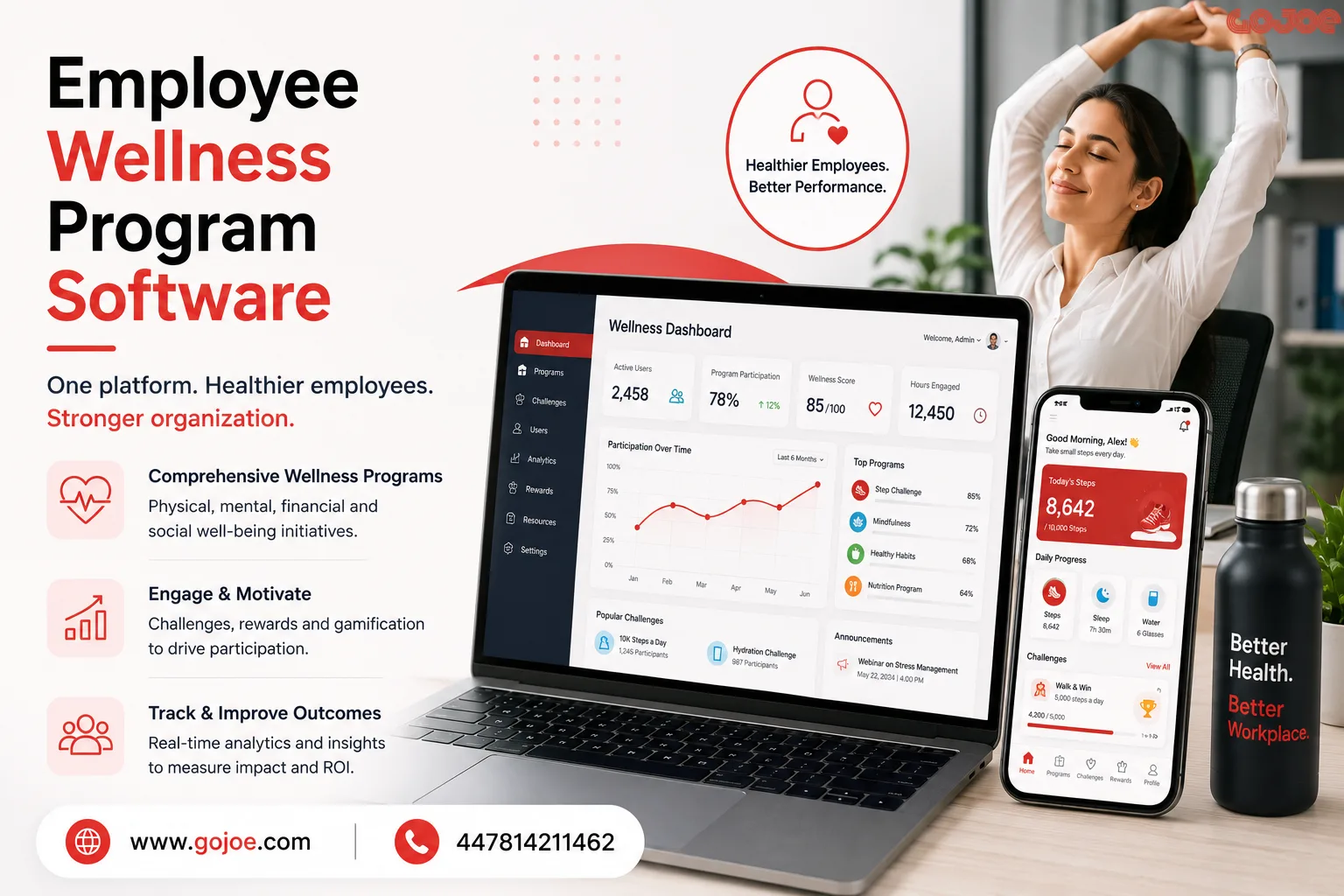
Organizations are increasingly investing in employee well-being as part of their long-term business strategy. A healthier workforce can contribute to higher productivity, stronger engagement, and improved job satisfaction. To support these goals, many businesses are turning to employee wellness program software that helps streamline wellness initiatives while encouraging healthier habits among employees.
Digital wellness solutions make it easier for organizations to deliver engaging programs that support physical, mental, and emotional well-being. By providing employees with convenient access to wellness resources, challenges, and progress-tracking tools, companies can create a more supportive workplace environment.
Why Workplace Wellness Matters
Employee well-being has become a key factor in organizational success. Employees who feel supported are often more motivated, productive, and engaged in their work. Wellness initiatives can also contribute to improved morale, stronger workplace relationships, and better employee retention.
Modern wellness programs go beyond fitness activities and often include mental health support, educational resources, and personalized wellness experiences that address diverse employee needs.
Key Features of Wellness Management Solutions
Activity and Health Tracking
Many wellness platforms integrate with mobile devices and wearable technology, allowing employees to monitor activity levels and track progress toward personal goals.
Wellness Challenges
Interactive challenges encourage participation and help employees stay motivated while building healthy routines.
Educational Resources
Access to wellness content and expert guidance empowers employees to make informed decisions about their health.
Engagement Tools
Features such as leaderboards, achievements, and social interaction help create a more engaging experience.
Reporting and Insights
Organizations can evaluate participation levels and measure the effectiveness of wellness initiatives through detailed analytics.
Benefits for Employers
Implementing workplace wellness initiatives can help organizations achieve:
- Higher employee engagement
- Improved workplace morale
- Better retention rates
- Increased participation in wellness programs
- Stronger organizational culture
- Enhanced productivity
These outcomes contribute to a healthier and more connected workforce.
Benefits for Employees
Employees gain access to tools and resources that support healthier lifestyles and long-term well-being.
Common benefits include:
- Increased motivation to stay active
- Better awareness of health goals
- Improved work-life balance
- Access to wellness support resources
- Greater engagement with company initiatives
By making wellness accessible and enjoyable, organizations can encourage sustainable healthy habits.
The Role of Technology in Employee Well-Being
Technology has transformed workplace wellness by making programs more accessible and scalable. Mobile-friendly solutions allow employees to participate regardless of location, making them ideal for office-based, remote, and hybrid teams.
Companies such as Gojoe have demonstrated how digital wellness platforms can create engaging experiences through activity challenges, community interaction, and wellness-focused initiatives. These tools help organizations foster long-term participation while simplifying program management.
Supporting Long-Term Employee Wellness
Successful wellness strategies focus on consistency and employee engagement rather than short-term participation. Organizations that regularly provide wellness opportunities, educational resources, and meaningful incentives are more likely to see lasting results.
A well-designed life insurance wellness program can further support employee well-being by encouraging healthier lifestyle choices while aligning wellness initiatives with broader employee benefits. Integrating a life insurance program into workplace wellness strategies can help organizations create a more comprehensive approach to employee support and long-term health outcomes.
Conclusion
Investing in employee well-being is an important step toward building a healthier and more productive workforce. Employee wellness program software provides organizations with the tools needed to manage wellness initiatives, encourage participation, and support long-term engagement. When combined with programs such as a life insurance wellness program, businesses can create a more complete wellness strategy that benefits both employees and the organization.
Frequently Asked Questions
What is employee wellness program software?
Employee wellness program software is a digital platform designed to help organizations manage wellness initiatives, track participation, and support employee well-being through various engagement tools.
How does wellness software benefit organizations?
These platforms can improve employee engagement, strengthen workplace culture, increase participation in wellness programs, and support healthier workforce habits.
What is a life insurance wellness program?
A life insurance wellness program is an initiative that encourages healthy behaviors by connecting wellness activities with employee benefit programs and long-term health objectives.
Can wellness platforms support remote employees?
Yes. Most modern wellness solutions are accessible through mobile devices and cloud-based systems, allowing employees to participate from any location.
Why are workplace wellness programs important?
Wellness programs help organizations support employee health, improve engagement, enhance productivity, and create a more positive workplace environment.