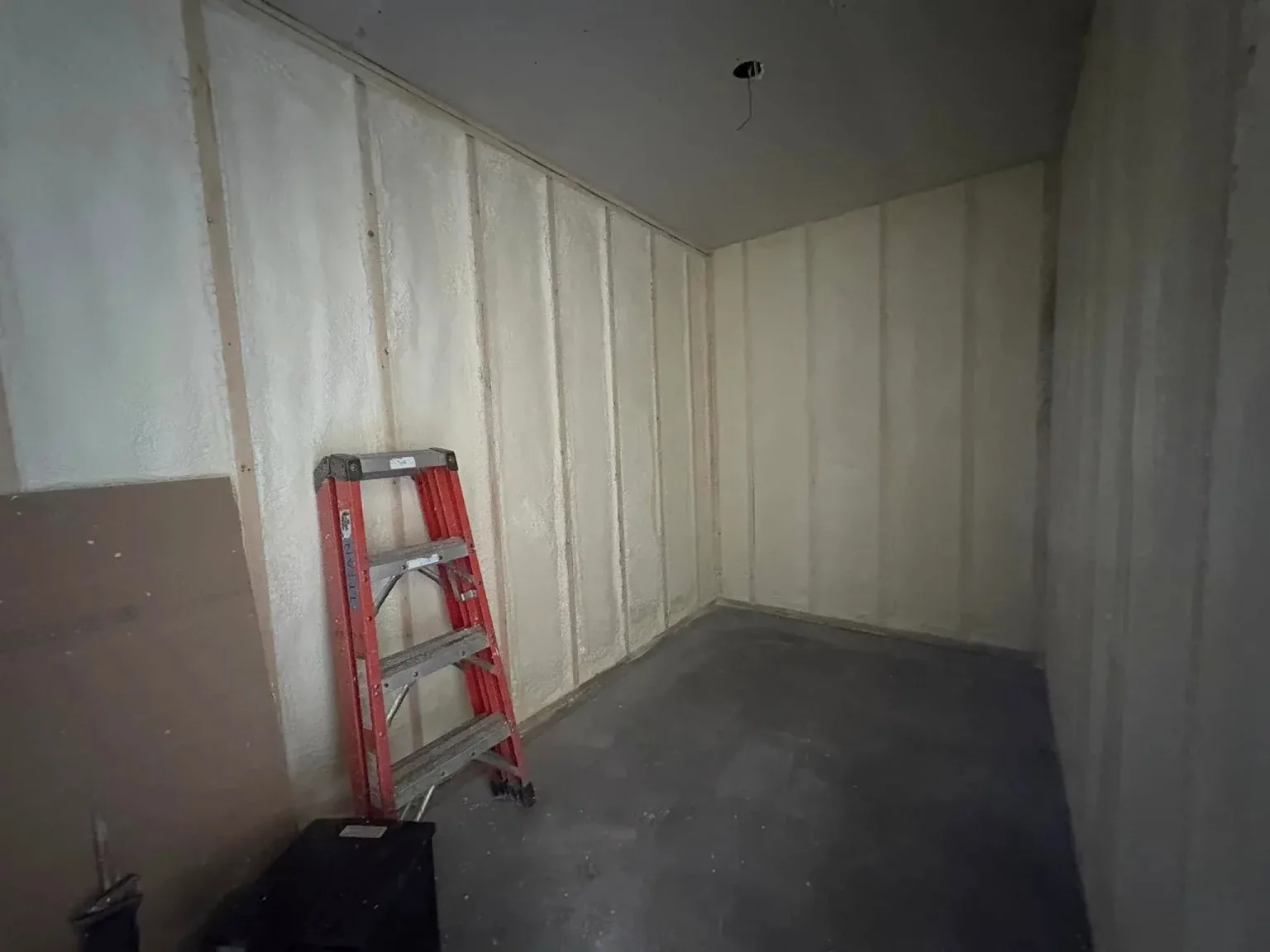
Closed-cell spray foam insulation systems significantly extend the lifespan of building structures by providing a high R-value, a built-in vapor barrier, and exceptional structural reinforcement. In the demanding climate of De Pere, Wisconsin, these systems prevent moisture accumulation within wall cavities, which stops wood rot and mold growth before they can compromise a building's integrity. By creating a dense, rigid seal that rejects water and resists air infiltration, closed-cell foam ensures that the physical envelope of a home or commercial property remains stable and efficient for decades.
This guide explains how property owners in Northeast Wisconsin can use advanced insulation technology to protect their investments from harsh winters and humid summers. Based on years of industry observation and building science, the following sections detail the technical advantages of closed-cell systems and why they are the preferred choice for long-term structural health.
Structural Benefits of High-Density Insulation
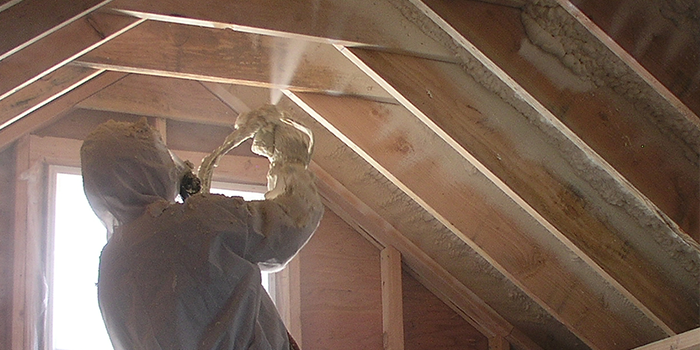
Unlike traditional fiberglass or cellulose, closed-cell spray foam is a structural material as much as it is an insulator. When the liquid mixture is applied, it expands and hardens into a dense plastic state with a high compressive strength. This rigidity actually bonds the wall studs, roof rafters, and exterior sheathing together into a unified structure. In areas prone to high winds or heavy snow loads, this added racking strength can increase a wall's resistance to shearing forces by up to 300 percent.
This structural boost is particularly helpful for older homes in De Pere that may have settled over time. By filling every gap and adhering tightly to the substrate, the foam prevents the "shifting" that often leads to cracked drywall or drafty window frames. It effectively "glues" the house together, which keeps the frame square and reduces the wear and tear that seasonal temperature swings cause on building materials.

Moisture Management in Northern Climates
De Pere experiences extreme temperature differentials between the heated indoors and the frozen outdoors. This creates a high risk for condensation. When warm, moist indoor air hits a cold surface inside a wall, it turns into liquid water. Closed-cell foam solves this because its cells are pressed so tightly together that they are impermeable to water and air.
Because the foam acts as its own vapor retarder, it eliminates the need for separate plastic sheeting that can sometimes trap moisture and cause problems. Beyond managing atmospheric humidity, the material is also highly effective against bulk water; it is the only insulation material rated by FEMA as flood-resistant. If a pipe leaks or a basement seeps, closed-cell foam does not soak up the water like a sponge. It stays dry and maintains its shape, which prevents the need for a total "gut" renovation after minor water incidents.
Bonus Tip: When insulating a crawl space or basement in Wisconsin, ensure the foam is applied all the way to the sill plate. This area is a major source of air leaks and moisture entry that often goes overlooked.
Comparing Insulation Performance and Longevity
Selecting the right material requires understanding how different products hold up over time. Some materials settle, sag, or lose their thermal resistance as they age. Closed-cell foam is engineered to maintain its R-value and physical form for the life of the building.

Things to Consider Before Making a Decision
Before committing to a closed-cell system, property owners should evaluate several factors to ensure the application meets their specific goals.
- Access and Coverage: Since closed-cell foam is permanent and very hard, all electrical and plumbing work should be finished and inspected before the foam is applied. Future modifications are possible but require more effort than with loose-fill materials.
- Ventilation Requirements: Because this insulation makes a building airtight, it is often necessary to review the mechanical ventilation system. A house that is "too tight" needs a way to exchange stale indoor air for fresh outdoor air, often via an ERV or HRV system.
- Substrate Condition: The surfaces receiving the foam must be clean, dry, and free of oils. In De Pere's humid months, contractors must monitor the moisture content of wood framing to ensure a perfect bond.
- Initial Investment vs. Lifespan: While the upfront cost is higher than fiberglass, the long-term savings on utility bills and the avoidance of moisture-related repairs often make it the more economical choice over twenty years.
Bonus Tip: Always ask about the "off-gassing" period. Quality installers use modern, low-VOC formulas that allow residents to return to the property within 24 hours of application.
Regional Weather Resistance
The Brown County area deals with more than just cold. The "freeze-thaw" cycles in late winter are brutal on masonry and wood. When water enters a crack and freezes, it expands, making the crack larger. Closed-cell foam prevents this damage by sealing those entry points entirely and preventing water ingress. For commercial buildings in De Pere with flat roofs or metal siding, the foam also prevents the "oil canning" effect, where metal expands and contracts noisily in the sun.
By keeping the interior surfaces of the building envelope warm, the foam prevents "ghosting" those dark streaks on walls caused by dust sticking to cold spots. This keeps the interior finishes looking newer for longer, reducing the frequency of repainting and maintenance.
Finding Professional Assistance in De Pere
For those looking to improve their property's durability, working with an experienced team is essential for a successful application. Proseal Spray Foam provides comprehensive insulation services, including closed-cell and open-cell options, to help residents and businesses achieve better energy efficiency. Their experts handle everything from air sealing to crawl space encapsulation and thermal barrier coatings. They can be reached at (715) 227-6295 or via email at [email protected] to discuss project requirements. Whether the goal is a residential retrofit or a new commercial build, they offer the specialized knowledge needed to ensure the insulation system performs reliably for years to come.
Final Steps for Structural Protection
Investing in closed-cell spray foam is a proactive way to defend a building against the elements. By addressing air leakage, moisture movement, and structural rigidity simultaneously, these systems provide a level of protection that other materials cannot match. Property owners should assess their current energy costs and look for signs of moisture or drafts to determine if an upgrade is necessary. Consulting with a specialist can help identify the specific areas where closed-cell foam will provide the most benefit for the building's long-term health.
FAQ’s
Does spray foam ever need to be replaced?
No, closed-cell spray foam does not settle, pack down, or degrade over time. As long as it is protected from direct UV sunlight (which is naturally the case inside walls or attics), it will last as long as the building itself.
Can this be used in crawl spaces?
Yes, it is one of the best materials for crawl spaces. It seals out the damp Wisconsin earth and prevents cold floors. Many experts recommend it for crawl space encapsulation because it sticks to masonry walls better than traditional boards.
Is closed-cell foam fire safe?
The foam used by professional contractors contains flame retardants. While it is a combustible material like wood framing, it meets strict building codes. In many applications, it is covered by a thermal barrier like drywall to meet safety standards.
How does it affect the resale value of a home?
A home with a documented "tight" envelope and low energy bills is often more attractive to buyers. It demonstrates that the owner has invested in the structural health and efficiency of the property, which can be a strong selling point in the local real estate market.