
In industrial environments, safety compliance depends heavily on clear communication and visible hazard identification. Flanges, which connect pipes, valves, and equipment, are critical points in process systems but are often underestimated in safety planning. Unmarked or poorly identified flanges can expose workers to serious risks such as chemical leaks, high pressure releases, and thermal hazards. Implementing clear and durable flange tags plays a vital role in improving safety compliance and preventing workplace incidents.
Why Flange Safety Compliance Matters?
Flanges are present across industries such as oil and gas, chemical processing, power generation, and manufacturing. During maintenance, shutdowns, or inspections, these connection points are frequently opened, isolated, or modified.
Without proper identification, workers may unknowingly loosen the wrong flange, leading to exposure to hazardous substances or uncontrolled energy release. Safety compliance at flange points is not optional - it is a critical layer of protection for both personnel and operations.
Understanding Flange Hazards in Industrial Facilities
Flanges are exposed to multiple risks due to the nature of the materials and conditions they handle. Common hazards include:
- High-pressure fluid or gas leaks
- Exposure to toxic or corrosive chemicals
- Hot surfaces that cause burns
- Incorrect isolation during maintenance
Despite these risks, flanges are often overlooked because they appear static and familiar. Without proper tagging, workers may assume a flange is safe to handle when it is not.
What are Flange Tags?
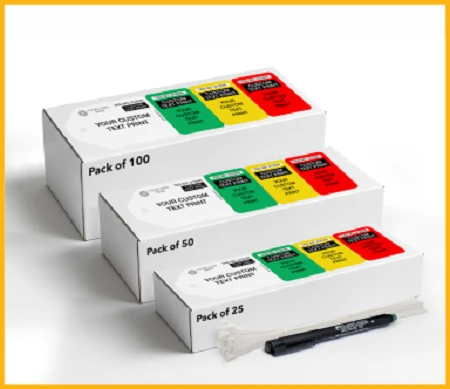
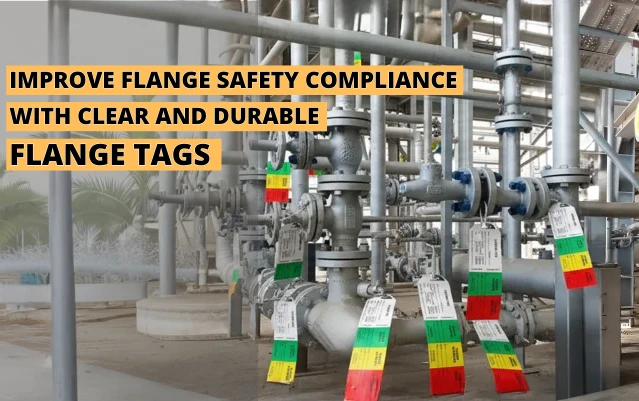
Flange tags are visual safety identifiers attached to flanges to communicate critical information. They clearly indicate status, hazards, and restrictions associated with a specific connection point. Unlike general safety tags, flange tags are specifically designed to remain attached to flanges during operation, maintenance, or isolation, ensuring information is always visible where it is needed most.
Role of Flange Tags in Safety Compliance:
Clear flange tagging supports safety compliance by improving visibility and accountability. During inspections and audits, properly tagged flanges demonstrate control over hazardous points. Flange tags also support lockout tagout and permit-to-work systems by clearly marking isolation locations and warning workers against unauthorized operation. This level of clarity reduces confusion and helps maintain consistent safety practices across shifts and departments.
Key Features of Clear and Durable Flange Tags:
Effective flange tags must withstand harsh industrial environments while remaining easy to read and understand. Key features include:
- High visibility through bright colors, bold text, and universal safety symbols
- Durable materials such as PVC or polyester that resist chemicals, heat, moisture, and UV exposure
- Clear information fields for hazard details, identification numbers, and authorization notes
- Secure attachment methods that prevent accidental removal or loss
These features ensure flange tags remain reliable throughout their service life.
How Flange Tags Improve Workplace Safety?
Flange tags act as constant visual reminders of potential hazards. They help prevent accidental opening of pressurized or hazardous lines and reduce human error during maintenance tasks. By clearly communicating risk and status, flange tags improve coordination between maintenance teams, operators, and supervisors. This enhanced communication leads to safer decision-making and fewer incidents.
Compliance Standards and Regulatory Expectations:
Regulatory authorities emphasize clear hazard communication as a core requirement of industrial safety. While specific standards may vary, flange tagging supports compliance by ensuring hazards are identified, controlled, and documented. Proper tagging strengthens lockout tagout programs, supports permit systems, and simplifies safety audits by providing visible evidence of control measures.
Common Mistakes in Flange Tagging:
Organizations often compromise safety by:
- Using temporary or handwritten tags that fade or tear
- Failing to update tags after maintenance or process changes
- Applying inconsistent colors or formats across different areas
- Ignoring training on the meaning and importance of flange tags
These mistakes reduce the effectiveness of flange tagging and increase the risk of accidents.
Best Practices for Effective Flange Tagging:
To maximize safety and compliance, organizations should:
- Standardize flange tag colors, formats, and information
- Select tags designed for harsh industrial conditions
- Update tags regularly to reflect current status
- Train workers to understand and respect flange tag warnings
- Integrate flange tagging into maintenance and safety procedures
Consistent application of these practices ensures flange tags remain a reliable safety tool.
Integrating Flange Tags into a Strong Safety Culture:
Flange tags are more than identification tools - they are symbols of a proactive safety culture. When hazards are clearly marked and respected, workers develop greater awareness and accountability. Visible safety measures encourage ownership and reinforce the message that safety is a shared responsibility across the organization.
Conclusion: Small Tags, Big Impact on Safety Compliance
Clear and durable flange tags play a critical role in improving flange safety compliance. By providing visible hazard communication, supporting regulatory requirements, and reducing human error, they help protect workers and prevent costly incidents. Though simple in design, flange tags deliver a powerful impact - proving that even small safety measures can make a significant difference in creating safer industrial workplaces.