
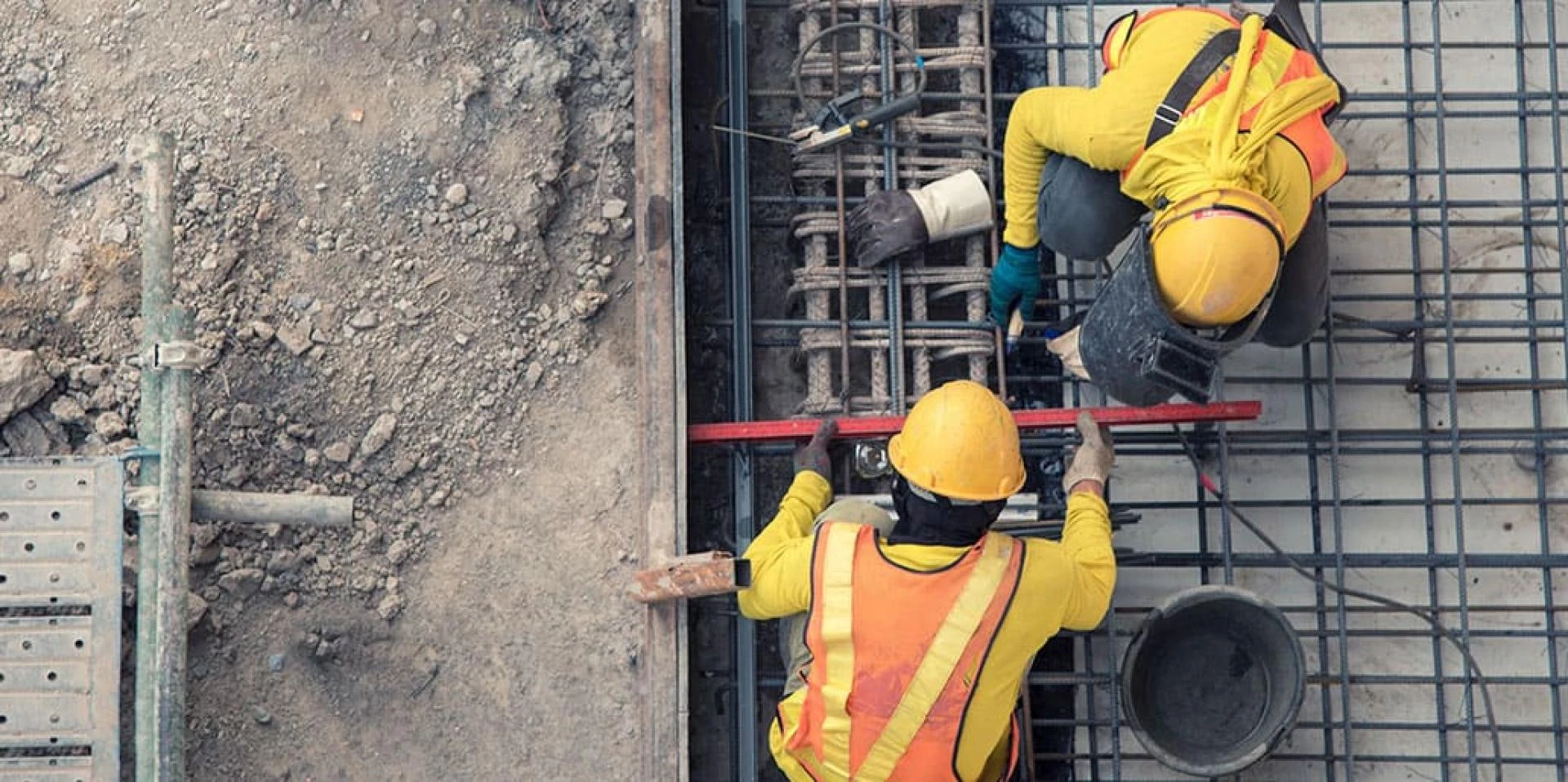
Construction sites are bustling environments where progress and precision are key — but they also pose significant risks to workers, visitors, and even the general public. With the combination of heavy machinery, working at heights, electrical installations, and shifting materials, construction remains one of the most hazardous industries worldwide. This is why robust safety protocols are not just recommended but absolutely essential.
Effective safety protocols reduce accidents, ensure legal compliance, and contribute to a healthier, more productive workforce. Whether the project is a skyscraper in a city center or a residential development in the suburbs, every construction site must priorities health and safety from the ground up.

Understanding Safety Protocols
Safety protocols are structured rules and procedures designed to protect everyone on a construction site. These include guidelines for safe equipment operation, emergency response procedures, personal protective equipment (PPE) usage, site access control, and hazard reporting systems.
When properly implemented, these protocols become second nature to workers. They create a predictable, safer environment where risks are minimized and quick action is possible in case of emergencies.
Why Safety Protocols Matter
- Preventing Accidents and Injuries
Construction sites present multiple dangers: falls from heights, equipment malfunctions, electrical hazards, and exposure to harmful substances. Without strict safety procedures, these risks can lead to serious injuries or fatalities. Protocols such as fall protection systems, site signage, and regular safety drills are proven to reduce incident rates.
- Legal Compliance
In the UK, employers are bound by laws like the Health and Safety at Work Act 1974 and the Construction (Design and Management) Regulations 2015. Failure to comply can lead to fines, shutdowns, and legal action. Implementing and maintaining strong safety protocols is a legal safeguard as much as a moral one.
- Boosting Productivity
A safe construction site is an efficient one. When workers feel secure and confident, they are more focused and productive. Fewer disruptions due to injuries or investigations also help projects stay on schedule and within budget.
- Enhancing Reputation
Companies that demonstrate a strong safety culture attract better clients, retain top talent, and build public trust. Repeated safety violations, on the other hand, damage credibility and can lead to long-term business consequences.
Core Components of Effective Safety Protocols
- Risk Assessments
Before work begins, potential hazards must be identified and addressed. A thorough risk assessment evaluates each phase of a project and helps determine what safety measures are necessary.
- Training and Education
Workers must be trained not only on their specific tasks but also on general site safety. This includes instruction on PPE, hazard recognition, manual handling, and working at heights. Ongoing training ensures that safety remains a priority throughout the project lifecycle.
- PPE Compliance
Wearing appropriate personal protective equipment — such as helmets, gloves, harnesses, and high-visibility clothing — is a basic but vital part of construction safety. Protocols must ensure PPE is always available, properly fitted, and used correctly.
- Site Inspections and Audits
Regular inspections help identify unsafe conditions or behaviours before they lead to accidents. Safety audits are useful in reviewing how well current protocols are working and where improvements are needed.
- Emergency Procedures
From first aid to fire evacuation plans, every construction site must have clear emergency protocols. All personnel should be familiar with these procedures and participate in regular drills.
Regional Approaches to Safety: London, Berkshire, and Essex
Different regions have adopted tailored approaches to address safety challenges specific to their construction environments.
In Health and Safety London initiatives, urban construction sites face complex logistical and spatial constraints. With high foot traffic and proximity to public spaces, strict access controls, crane safety measures, and noise mitigation protocols are essential. London-based firms often lead in incorporating tech-based safety tools, such as real-time monitoring and AI-powered hazard detection.
Health and Safety Berkshire efforts focus on balancing development with environmental conservation. Safety protocols often include ground stability checks, proper waste handling, and safe interactions between construction teams and local communities. Smaller towns and residential areas demand heightened attention to pedestrian and traffic safety near sites.
Meanwhile, Health and Safety Essex programmed place strong emphasis on training and workforce development. Many projects involve large infrastructure works, where collaboration between contractors and councils ensures that workers receive up-to-date training on regulations, safety techniques, and site-specific risks.
These regional approaches highlight the importance of adapting safety protocols to fit the local context, making them more effective and widely supported.
Challenges in Implementing Safety Protocols
While the benefits are clear, enforcing safety protocols is not without challenges. These can include:
- Complacency or resistance among experienced workers
- Lack of oversight on smaller sites
- Insufficient budget allocated for safety measures
- Language barriers in diverse workforces
Overcoming these requires consistent communication from leadership, strong safety culture, and investment in education and resources.
Conclusion
Safety protocols on construction sites are not just about ticking boxes — they’re about saving lives and ensuring the success of construction projects. When safety becomes part of everyday practice, everyone benefits: workers, companies, and the broader community.
As demonstrated in regions like London, Berkshire, and Essex, a proactive approach to health and safety makes a measurable difference. With the right protocols in place, the construction industry can continue to grow while keeping its workforce safe, healthy, and ready for the future.