
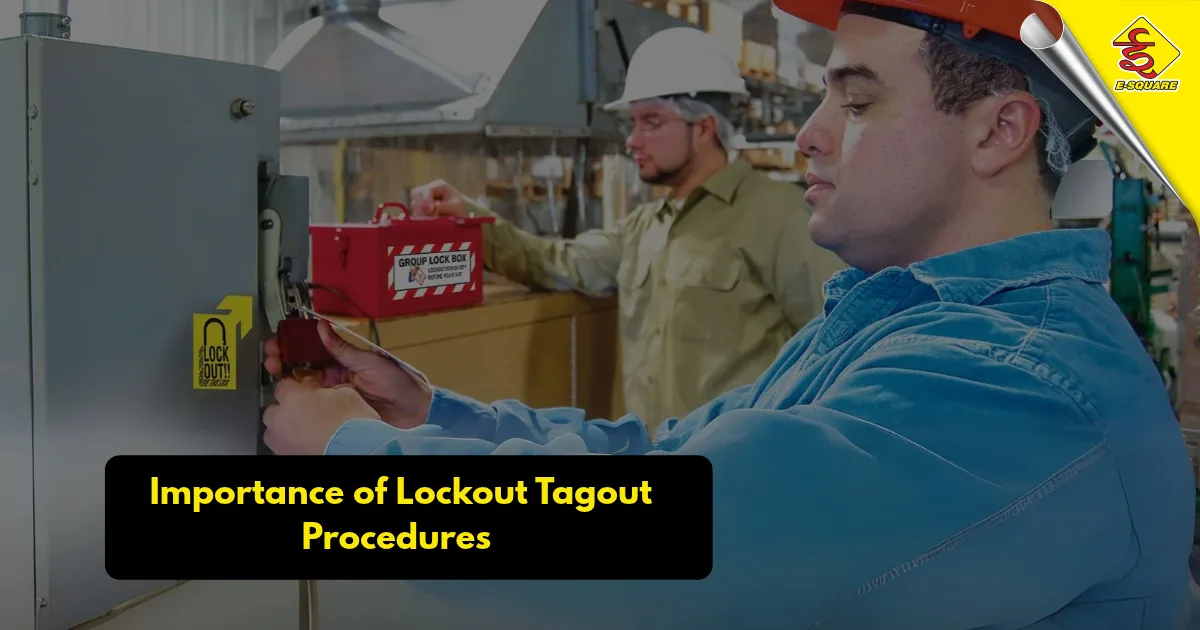
Manufacturing industries rely on complex machinery, electrical systems, hydraulic equipment, pneumatic tools, and automated production lines to maintain operational efficiency. While these systems improve productivity, they also present significant safety risks during maintenance, repair, cleaning, inspection, and servicing activities. Unexpected machine startup or the release of stored energy can result in serious workplace injuries, equipment damage, and operational disruptions.
Implementing an effective LOTO program helps manufacturing facilities protect workers, improve safety compliance, and establish a more reliable maintenance environment.
What Is Lockout Tagout (LOTO)?
Lockout Tagout is a safety procedure used to isolate hazardous energy sources and prevent machinery from being operated unintentionally during maintenance or servicing.
The process involves two essential components:
Lockout: A physical locking device is applied to an energy-isolating device, such as an electrical disconnect switch, circuit breaker, or valve, to prevent the equipment from being re-energized.
Tagout: A warning tag is attached to communicate that the equipment is isolated and must not be operated. Tags identify the person responsible for the isolation and provide important safety information.
Lockout provides physical restraint, while tagout communicates a warning. Where applicable, both should be incorporated into an effective energy control program.
In the United States, OSHA's Control of Hazardous Energy standard, 29 CFR 1910.147, establishes requirements for controlling hazardous energy during servicing and maintenance of equipment.
Why Are Lockout Tagout Procedures Important in Manufacturing Industries?
1. Prevent Unexpected Machine Startup
Manufacturing equipment may restart unexpectedly because of electrical faults, automated control systems, human error, or the activation of remote operating mechanisms.
For example, a maintenance technician working inside a conveyor system could be exposed to moving components if another employee unknowingly restarts the machine.
LOTO procedures help prevent such incidents by physically isolating energy sources and ensuring that equipment remains in a safe condition throughout maintenance activities.
2. Protect Employees from Hazardous Energy
Industrial machinery can contain several types of hazardous energy, including:
- Electrical energy from motors, circuits, and control panels.
- Mechanical energy from rotating shafts, gears, and flywheels.
- Hydraulic energy from pressurized fluids.
- Pneumatic energy from compressed air systems.
- Thermal energy from hot surfaces, steam, and heated materials.
Gravitational energy from elevated machine components.
Simply switching off a machine does not necessarily eliminate these hazards.
An effective LOTO procedure identifies all relevant energy sources, isolates them, releases or restrains stored energy, and verifies that the equipment is safe before work begins.
3. Improve Workplace Safety Compliance
Manufacturing companies must establish appropriate safety procedures to protect employees and meet applicable regulatory requirements.
In the United States, OSHA 29 CFR 1910.147 addresses hazardous energy control, including energy-control procedures, employee training, periodic inspections, and the use of lockout or tagout devices.
Other countries have their own workplace safety legislation and energy isolation requirements.
A properly implemented LOTO program helps organizations establish documented safety practices, improve accountability, and demonstrate a commitment to workplace safety.
However, using LOTO equipment alone does not guarantee compliance. Organizations must also implement appropriate procedures, training, inspections, and verification practices.
4. Reduce Workplace Accidents and Operational Disruptions
Workplace accidents can lead to employee injuries, production interruptions, equipment damage, investigation costs, and reputational consequences.
A structured Lockout Tagout process helps reduce the risk of unexpected machine activation during maintenance.
It also supports more organized maintenance operations by ensuring that employees understand which equipment is isolated, who is performing the work, and when the machine can be returned to service.
By incorporating LOTO into preventive maintenance programs, manufacturing facilities can improve operational reliability while prioritizing employee protection.
5. Establish Clear Responsibility During Maintenance
Manufacturing facilities often involve multiple employees, maintenance teams, contractors, and departments working on the same equipment.
Without a clear isolation procedure, employees may misunderstand the machine's safety status.
Personal lockout padlocks, identification tags, lockout hasps, and group lockout boxes help establish individual responsibility during maintenance activities.
In group lockout situations, each authorized employee must be protected according to the applicable energy control procedure. A group lockout box can help coordinate the control of isolation keys while allowing individual workers to apply their personal locks.
Essential Lockout Tagout Devices Used in Manufacturing
Selecting the appropriate LOTO devices is an important part of an effective hazardous energy control program.
Different machines and energy sources require different isolation solutions.
Lockout Safety Padlocks
Lockout safety padlocks are used to secure energy-isolating devices and help prevent unauthorized operation.
They are available in different shackle materials, sizes, and keying configurations to suit industrial environments and organizational requirements.
Circuit Breaker Lockout Devices
Circuit breaker lockouts help secure electrical circuit breakers in the required isolated position.
They are particularly useful in manufacturing facilities where electrical equipment, control panels, and machinery require maintenance.
Valve Lockout Devices
Valve lockouts are designed to secure different types of valves, including ball valves, gate valves, and other industrial valve configurations.
They help prevent the unintended operation of valves controlling hazardous fluids, gases, or other process media.
Lockout Hasps
Lockout hasps allow multiple employees to apply their individual safety padlocks to a single isolation point.
They are useful when several authorized workers are involved in maintenance activities on the same equipment.
Cable Lockout Devices
Cable lockouts provide flexibility when securing multiple or irregularly positioned energy-isolating points.
They can be used in suitable applications involving valves, switches, and other isolation mechanisms.
Lockout Tagout Kits and Stations
LOTO kits and stations help organize essential safety equipment, including padlocks, tags, hasps, and isolation devices.
A properly organized station improves accessibility and helps employees select the required equipment before beginning maintenance work.
Step-by-Step Lockout Tagout Procedure for Manufacturing Facilities
An effective LOTO procedure should be machine-specific and developed according to the equipment's energy sources and applicable safety requirements.
The following steps provide a general framework.
Step 1: Prepare for Equipment Shutdown
Identify the machine, understand its operating characteristics, and determine all hazardous energy sources.
Authorized employees should review the applicable energy control procedure before beginning the task.
Step 2: Notify Affected Employees
Inform machine operators, maintenance personnel, supervisors, and other affected employees that the equipment will be shut down for maintenance or servicing.
Clear communication helps prevent confusion during the isolation process.
Step 3: Shut Down the Equipment
Use the established shutdown procedure to stop the machine safely.
Normal operating controls may be used to stop the equipment, but they should not be treated as energy-isolating devices.
Step 4: Isolate All Energy Sources
Identify and operate the appropriate energy-isolating devices.
These may include electrical disconnect switches, circuit breakers, valves, or other devices capable of physically isolating hazardous energy.
Step 5: Apply Lockout and Tagout Devices
Apply the required lockout devices and identification tags to the energy-isolating points.
Each authorized employee should apply their personal lock according to the facility's energy control procedure.
Step 6: Release or Restrain Stored Energy
Stored energy must be controlled before maintenance begins.
Depending on the equipment, this may involve:
- Releasing residual hydraulic or pneumatic pressure.
- Discharging electrical capacitors.
- Blocking elevated machine components.
- Securing springs or other mechanical energy sources.
- Allowing hot equipment or materials to cool.
Step 7: Verify Zero-Energy State
Verification is a critical part of the LOTO process.
Authorized employees should confirm that energy sources have been effectively isolated and that hazardous energy cannot cause unexpected movement or operation.
Verification methods depend on the equipment and energy type. Electrical testing must be performed by appropriately qualified personnel using suitable equipment.
Only after the required verification has been completed should maintenance or servicing work begin.
Common Lockout Tagout Mistakes to Avoid
Even when manufacturing facilities have LOTO programs, incorrect implementation can create serious safety risks.
Common mistakes include:
- Relying only on the machine's emergency stop button.
- Failing to identify secondary energy sources.
- Ignoring stored or residual energy.
- Using unsuitable or incompatible lockout devices.
- Removing another employee's personal lock without following the established procedure.
- Failing to verify the effectiveness of energy isolation.
- Providing inadequate employee training.
- Using generic procedures that do not address machine-specific hazards.
Regular inspections, employee training, and periodic reviews of energy control procedures help identify these weaknesses before they result in an incident.
The Role of LOTO Training and Machine-Specific Procedures
Lockout Tagout effectiveness depends on more than the availability of safety devices.
Employees must understand how to identify hazardous energy, select the correct isolation points, apply lockout devices, control stored energy, and verify safe conditions.
Machine-specific LOTO procedures provide detailed instructions for isolating individual machines and equipment.
These procedures should clearly identify energy sources, isolation points, required devices, and the sequence of isolation and verification steps.
LOTO training should also address the responsibilities of authorized employees, affected employees, and other personnel involved in equipment operation and maintenance.
Manufacturing facilities can strengthen their energy control programs through site surveys, procedure development, gap analysis, and practical training.
Choosing the Right Lockout Tagout Solutions for Manufacturing
Every manufacturing facility has unique energy isolation requirements.
A pharmaceutical production line may require different isolation devices from an automotive assembly plant, steel manufacturing facility, or chemical processing unit.
The selection of LOTO equipment should consider:
- The type and magnitude of hazardous energy.
- The design of energy-isolating devices.
- Environmental conditions.
- Compatibility with the equipment.
- The number of employees involved in maintenance.
- Applicable safety standards and organizational procedures.
Industrial safety specialists and experienced LOTO manufacturers can help organizations identify suitable devices and develop practical energy isolation solutions.
E-Square Alliance, through Safetylock.net, provides a wide range of Lockout Tagout products, including safety padlocks, circuit breaker lockouts, valve lockouts, cable lockout devices, lockout hasps, kits, stations, and group lockout boxes.
The company also offers LOTO-related services such as site surveys, machine-specific procedure development, training, and gap analysis to support organizations in strengthening their hazardous energy control programs.
Conclusion
Lockout Tagout procedures are an essential component of industrial safety in manufacturing environments. By preventing unexpected machine startup and controlling hazardous energy, LOTO helps protect employees during maintenance, repair, cleaning, and servicing activities.
An effective LOTO program requires a combination of suitable devices, machine-specific procedures, employee training, energy isolation, and verification.
Manufacturing organizations should regularly review their energy control practices, identify potential hazards, and ensure that employees understand their responsibilities.
Investing in a well-structured Lockout Tagout program is not simply a safety measure. It is a practical step toward building a safer, more reliable, and more responsible manufacturing workplace.