
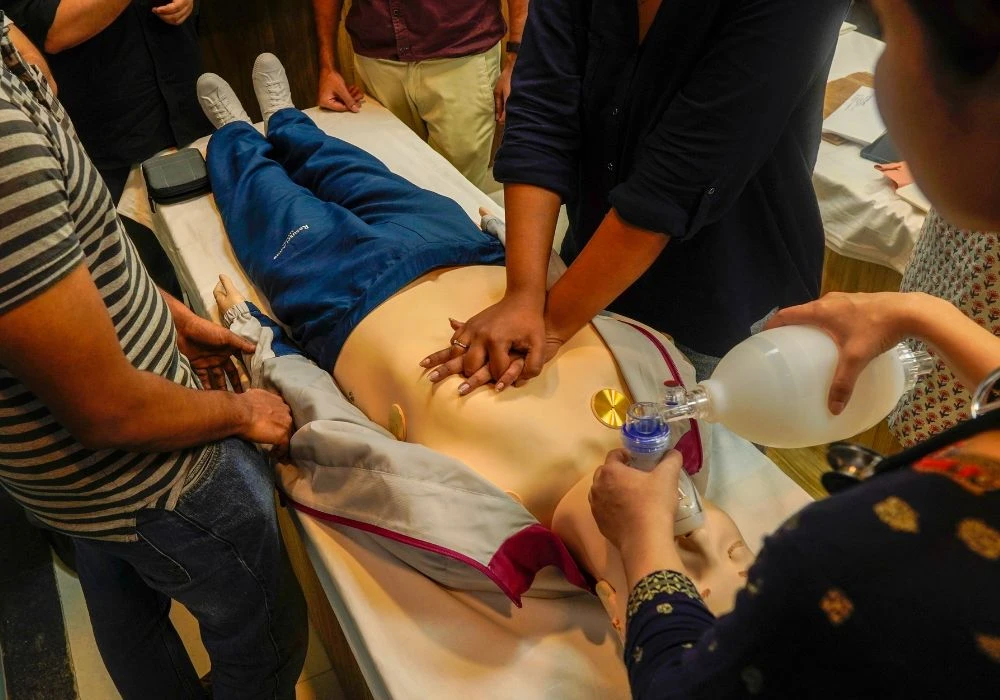
Medical emergencies such as cardiac arrest, stroke, and severe arrhythmias demand immediate and skilled intervention. In such high-pressure situations, the knowledge and preparedness of healthcare professionals can make the difference between life and death. This is where ACLS training plays a critical role. Advanced Cardiovascular Life Support equips medical professionals with the skills, confidence, and clinical judgment needed to manage life-threatening cardiac emergencies effectively.
Healthcare institutions and professionals increasingly rely on structured training programs offered by trusted providers like NIAC to ensure high standards of emergency care.
Understanding ACLS Training
ACLS training is an advanced, evidence-based program designed for healthcare professionals involved in the management of cardiac and respiratory emergencies. It builds upon basic life support skills and focuses on advanced interventions such as airway management, ECG interpretation, pharmacology, and team-based resuscitation.
Doctors, nurses, anesthetists, intensivists, emergency responders, and critical care staff benefit greatly from ACLS certification, as it prepares them to handle complex emergencies with precision and confidence.
Why ACLS Training Is Essential in Modern Healthcare
Cardiovascular emergencies remain one of the leading causes of mortality worldwide. Hospitals and emergency care units must be prepared to respond quickly and effectively. ACLS training ensures that healthcare professionals follow standardized protocols and evidence-based guidelines during emergencies.
By undergoing ACLS training through providers like NIAC, medical professionals enhance their ability to recognize early signs of deterioration and take immediate, life-saving actions.
Enhancing Clinical Decision-Making During Emergencies
In critical situations, delays or incorrect decisions can have serious consequences. ACLS training focuses on developing rapid assessment and decision-making skills. Healthcare professionals learn how to interpret cardiac rhythms, administer appropriate medications, and perform advanced interventions under pressure.
This structured approach reduces confusion during emergencies and improves coordination among medical teams. NIAC emphasizes practical, scenario-based training to ensure real-world readiness.
Improving Patient Survival Rates
One of the primary goals of ACLS training is to improve patient survival outcomes. Studies have shown that timely and well-coordinated advanced life support significantly increases the chances of survival in cardiac arrest cases.
Trained professionals can initiate advanced resuscitation measures quickly, reducing response times and improving neurological outcomes. NIAC’s ACLS programs are designed to enhance clinical competence and improve overall patient care quality.
Importance of Team-Based Approach in ACLS Training
Effective emergency care requires seamless teamwork. ACLS training emphasizes communication, leadership, and role clarity during resuscitation efforts. Participants learn how to function as part of a coordinated team, ensuring efficient use of time and resources.
NIAC focuses on fostering teamwork skills, enabling healthcare professionals to work confidently and cohesively during high-stress situations.
Keeping Up with Updated Clinical Guidelines
Medical guidelines evolve as new research and technologies emerge. ACLS training ensures that healthcare professionals stay updated with the latest international resuscitation protocols and best practices.
Through structured training programs by NIAC, participants gain access to current guidelines, ensuring compliance with global standards of emergency cardiovascular care.
Building Confidence and Reducing Errors
Confidence is crucial during medical emergencies. ACLS training provides hands-on practice and simulation-based learning that helps professionals build confidence in their abilities.
By reducing hesitation and uncertainty, ACLS-trained professionals are less likely to make critical errors. NIAC’s training methodology focuses on practical application, helping participants perform effectively in real-life emergencies.
Essential for Career Growth and Professional Development
For many healthcare professionals, ACLS training is not just a skill requirement but also a career advancement opportunity. Many hospitals and healthcare organizations mandate ACLS certification for roles in emergency medicine, anesthesia, ICU, and cardiology.
Certification from reputed providers like NIAC enhances professional credibility and opens doors to advanced roles in critical care and emergency medicine.
Supporting Quality Standards in Healthcare Institutions
Hospitals strive to maintain high quality and safety standards. Having ACLS-certified staff demonstrates a commitment to patient safety and clinical excellence. ACLS training contributes to institutional readiness and compliance with accreditation requirements.
NIAC partners with healthcare institutions to deliver customized ACLS training programs that align with hospital protocols and quality benchmarks.
Role of ACLS Training Beyond Hospitals
While hospitals are the primary beneficiaries, ACLS training is equally valuable in pre-hospital care, ambulatory services, and emergency response units. Trained professionals can initiate advanced care even before reaching a hospital, improving survival chances.
NIAC extends ACLS training to a wide range of healthcare settings, ensuring broader emergency preparedness.
The Future of Emergency Care and ACLS Training
With increasing cardiovascular disease burden and aging populations, the demand for skilled emergency care will continue to rise. ACLS training will remain a cornerstone of critical care education.
Advancements such as simulation technology, tele-education, and data-driven learning are shaping the future of ACLS training. NIAC continues to innovate and adapt its training programs to meet evolving healthcare needs.
Conclusion
ACLS training is an essential component of modern healthcare, empowering professionals to manage life-threatening cardiac emergencies with confidence and competence. From improving survival rates and enhancing teamwork to supporting career growth and institutional quality, the benefits of ACLS training are far-reaching.
By choosing trusted training providers like NIAC, healthcare professionals and institutions can ensure preparedness, excellence, and improved patient outcomes. Investing in ACLS training is not just about certification—it is about saving lives and strengthening the foundation of emergency medical care.