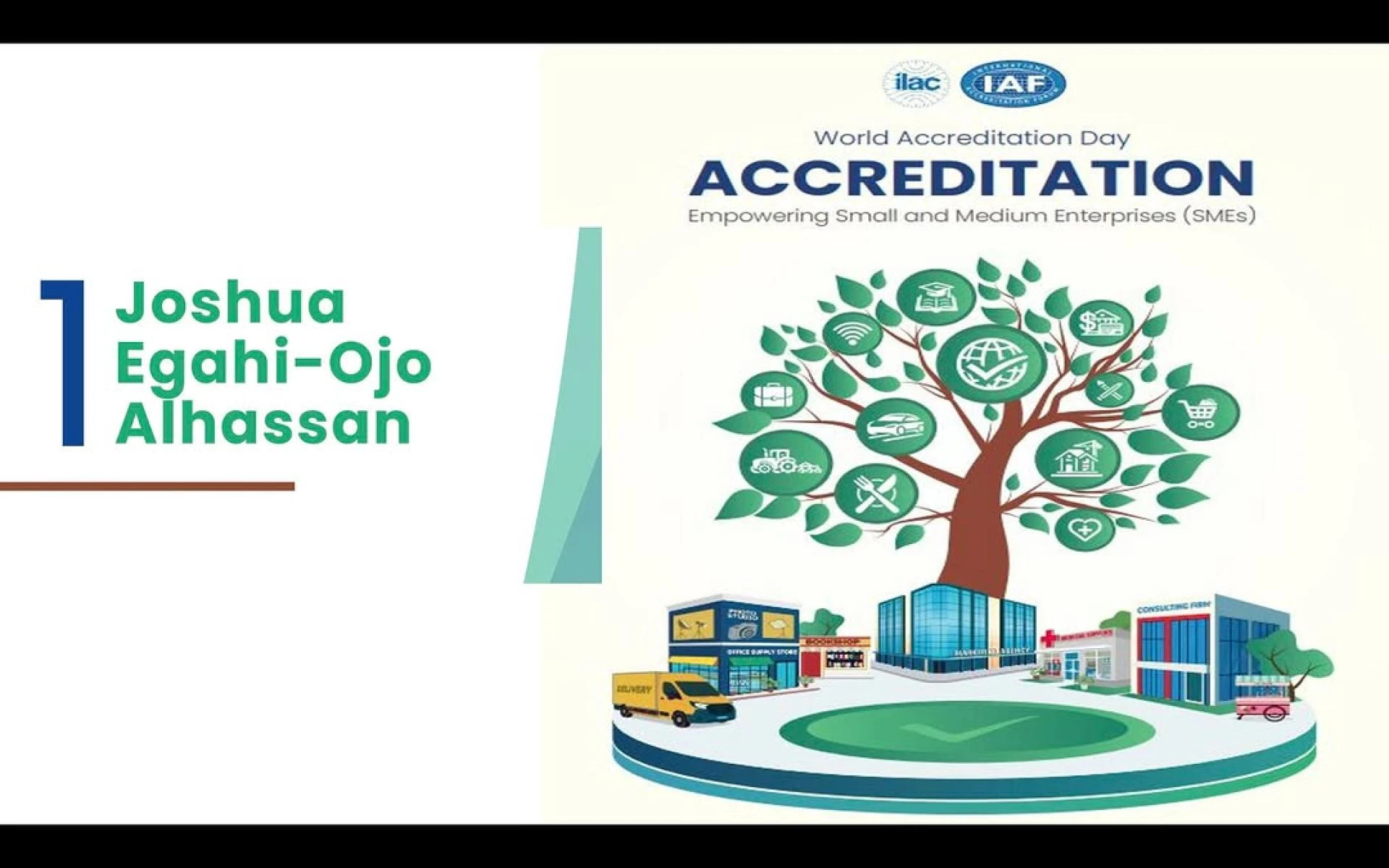
Accreditation in Healthcare: Ensuring Quality, Safety, and Compliance for Better Patient Care
Accreditation in healthcare plays a critical role in ensuring that medical facilities meet high standards of quality, safety, and regulatory compliance. This process serves as an official recognition that healthcare institutions adhere to established benchmarks in patient care, operational efficiency, and staff performance. As a result, accreditation leads to improved patient outcomes, enhanced staff performance, and increased institutional credibility.
What is Accreditation in Healthcare?
Accreditation in healthcare is a formal process where healthcare institutions are evaluated by independent accrediting bodies to determine if they meet or exceed predefined standards. These standards cover various areas, including patient care, safety protocols, infection control, staff training, and management systems.
When a healthcare facility earns accreditation, it shows its commitment to providing high-quality care and maintaining continuous improvement in service delivery.
Key Benefits of Accreditation in Healthcare
- Improving Patient Care
Accredited healthcare institutions are required to follow stringent guidelines to ensure the highest level of patient care. This includes evidence-based treatment practices, standardized procedures, and consistent monitoring of patient safety. Accreditation ensures that patients receive care in line with the latest healthcare standards, resulting in better health outcomes and higher patient satisfaction.
- Enhancing Safety Protocols
Patient safety is at the core of healthcare accreditation. Accredited facilities must implement and maintain rigorous safety protocols to minimize the risk of medical errors, infections, and adverse events. This focus on safety protects patients and creates a culture of responsibility and accountability among healthcare staff.
- Ensuring Compliance with Standards
Accreditation ensures that healthcare institutions comply with both local and international regulations and best practices. Regular reviews by accrediting bodies help facilities stay up-to-date with evolving industry standards, legal requirements, and innovations in healthcare delivery. This continuous monitoring fosters long-term improvements in hospital performance.
- Boosting Staff Performance
Accreditation programs often include specific standards for staff training, qualifications, and development. By providing ongoing education and ensuring that all staff members meet competency requirements, accreditation helps improve the overall performance of healthcare teams. This leads to more efficient operations and better patient care.
- Building Institutional Credibility
Achieving accreditation significantly enhances the credibility and reputation of healthcare institutions. Patients and their families are more likely to trust accredited facilities, knowing they meet high standards for quality care and safety. Accreditation also helps hospitals attract top medical professionals, partners, and investors by demonstrating their commitment to excellence.
Conclusion
Accreditation in healthcare is essential for ensuring that medical facilities provide safe, effective, and compliant care. It promotes a culture of continuous improvement, accountability, and excellence, benefiting patients, healthcare providers, and the institution as a whole. By achieving accreditation, healthcare organizations can improve patient care, enhance staff performance, and strengthen their reputation within the healthcare community.
To learn more about how AAA Accreditation can help your healthcare facility achieve accreditation, visit our website at https://aaa-accreditation.org/healthcare-accreditation/.
Contact Information:
- Phone: +1 (571) 601-2616
- Address: 8609 Westwood Center Drive, Tysons Corner, VA 22182, USA
- Social Media: