
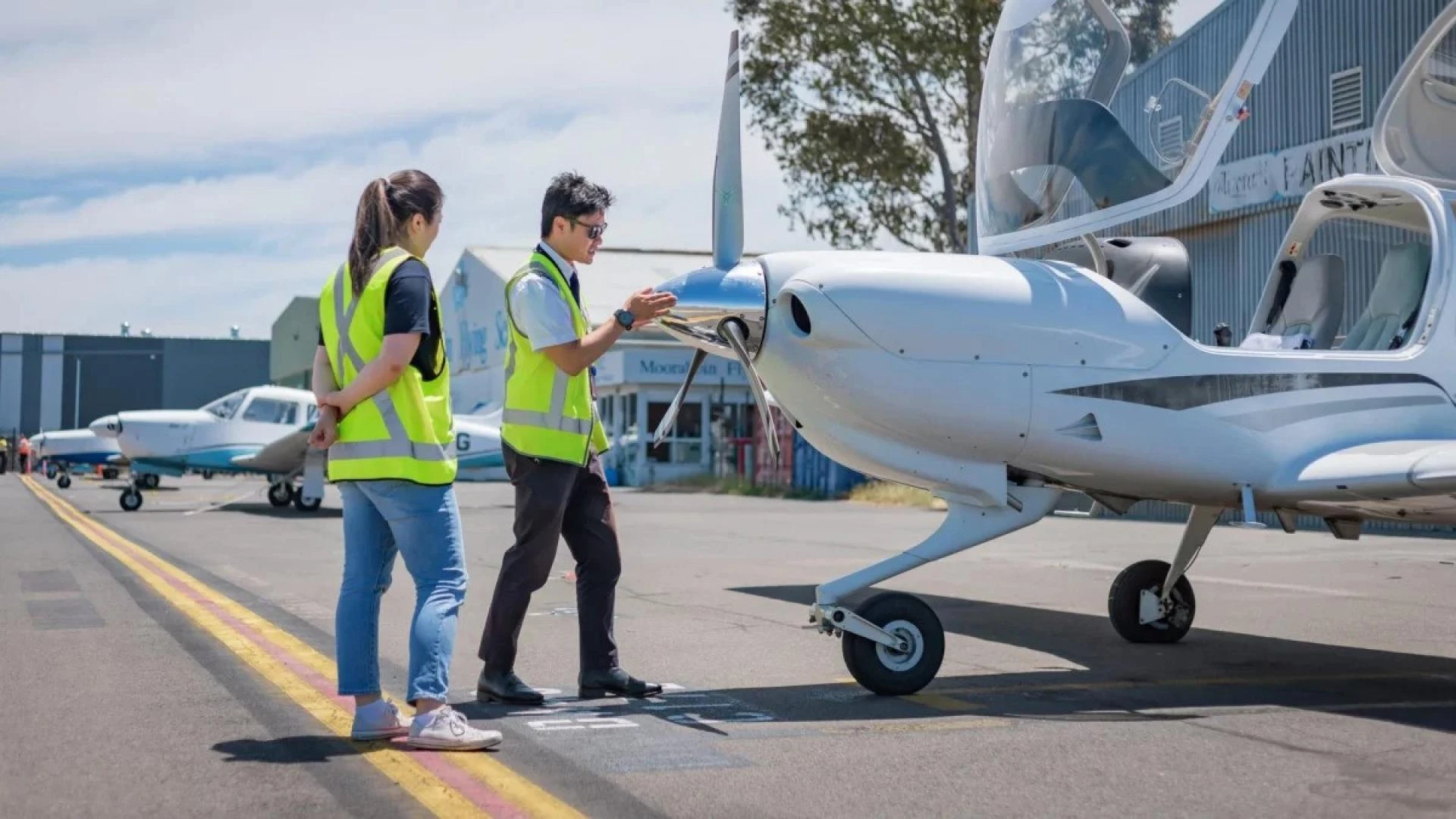
Effective communication between pilots and aircraft mechanics is a cornerstone of aviation safety and operational efficiency.
A well-maintained aircraft is only as safe as the ability of those responsible for its operation and maintenance to convey and interpret technical information. Pilots rely on mechanics to ensure their aircraft is airworthy, while mechanics depend on pilots to report issues accurately and in a timely manner.
Miscommunication or overlooked details can lead to serious safety risks, operational delays, and increased maintenance costs.
The Critical Role of Communication in Aviation Maintenance
Ensuring Aircraft Safety
Every flight begins with an assumption: the aircraft is in a safe and airworthy condition. However, this assumption is only valid when pilots and mechanics share a mutual understanding of any potential or existing mechanical issues. Pilots conduct pre-flight checks, but their knowledge of the aircraft's mechanical systems is not as extensive as that of trained maintenance professionals. When pilots notice irregularities—such as unusual vibrations, abnormal instrument readings, or strange sounds—they must accurately communicate these issues to the mechanics.
Conversely, mechanics must provide pilots with precise information about maintenance actions, whether the aircraft is fully serviceable or if any temporary operating limitations exist. Without clear communication, seemingly minor issues can escalate into significant safety concerns.
Preventing Maintenance-Related Errors
A large portion of aviation incidents can be traced back to miscommunication between pilots and mechanics. Some common examples include:
● Ambiguous descriptions of issues: Pilots might describe a problem vaguely, making it difficult for mechanics to diagnose and repair the fault.
● Incomplete reporting of maintenance actions: Mechanics might not fully explain a repair or provide updates on temporary fixes, leaving pilots unaware of potential operational restrictions.
● Misinterpretation of technical terminology: If pilots and mechanics do not use standardised terminology, the meaning of a reported issue can be lost or misunderstood.
To prevent these errors, communication must be precise, structured, and well-documented.
Common Challenges in Pilot-Mechanic Communication
Differences in Technical Knowledge
Pilots and mechanics possess different expertise regarding aircraft systems. Pilots are trained to operate aircraft efficiently and safely but may lack in-depth knowledge of mechanical functions. Mechanics, on the other hand, understand aircraft maintenance and repair processes in detail but may not always be aware of how specific issues impact aircraft handling and performance.
Bridging this knowledge gap requires patience, mutual respect, and the willingness to ask clarifying questions. Pilots should describe problems based on observable symptoms rather than attempting to diagnose the issue, while mechanics should ensure that pilots fully understand any limitations or maintenance procedures applied to the aircraft.
Time Constraints and Operational Pressures
In commercial and charter operations, time is a critical factor. Aircraft turnaround times are often tight, and both pilots and maintenance crews are under pressure to minimise delays. In high-pressure situations, rushed communication can lead to misunderstandings or missed details, increasing the risk of mechanical oversights.
A structured approach to communication, even in time-sensitive situations, ensures that vital information is conveyed without omission. When pilots and mechanics feel rushed, it is essential to emphasise clarity over speed.
Variability in Communication Methods
Communication between pilots and mechanics occurs through multiple channels, including:
● Verbal discussions during pre-flight and post-flight inspections
● Written maintenance logs and technical reports
● Electronic communication via aircraft maintenance tracking systems
Each method has its own advantages and potential pitfalls. Verbal exchanges allow for immediate clarification but may be forgotten or misinterpreted. Written records provide an official account but may lack detailed context. Electronic systems enhance efficiency but require accurate data entry. Pilots and mechanics must use a combination of these methods to ensure comprehensive communication.
Best Practices for Effective Communication
Standardised Terminology and Reporting Procedures
To minimise confusion, pilots and mechanics should adhere to standardised aviation terminology when describing aircraft issues. The use of vague terms like "it feels off" or "something doesn’t sound right" should be replaced with precise descriptions such as:
● "Intermittent engine roughness at 2,500 RPM in cruise flight"
● "Fuel flow fluctuating between 90 and 110 PPH during climb"
● "Left main landing gear retracts slower than right gear, observed during the post-takeoff transition"
Additionally, maintenance actions should be documented in a structured format, ensuring that pilots receive clear and actionable information before the next flight.
Encouraging Two-Way Dialogue
Effective communication is not just about reporting issues—it is about ensuring that both parties fully understand the situation. Pilots should ask mechanics questions about reported defects, particularly if they are unsure how an issue affects flight safety. Likewise, mechanics should clarify any discrepancies in the pilot's report before proceeding with troubleshooting and repairs.
A culture of open communication also supports teamwork and trust. Pilots and mechanics should view each other as essential partners in maintaining aircraft safety rather than operating in isolated roles.
Using Visual Aids and Demonstrations
When feasible, mechanics should physically show pilots the issues being addressed, especially if an aircraft component has been replaced or temporarily repaired. Similarly, pilots can point out specific problem areas during pre-flight inspections rather than solely relying on verbal descriptions.
For complex maintenance concerns, mechanics can use diagrams, maintenance manuals, or digital tools to explain the issue in a way that pilots can easily grasp. This approach reduces the likelihood of misunderstandings and enhances situational awareness.
Maintaining Accurate and Detailed Logbook Entries
The aircraft maintenance logbook is one of the most critical communication tools between pilots and mechanics. Each discrepancy reported by a pilot should be documented clearly, including:
● A precise description of the problem
● The corrective action taken
● Any operational limitations or follow-up maintenance required
Likewise, pilots reviewing the logbook before flight should ensure they fully understand any outstanding maintenance items. If anything is unclear, they must seek clarification from the maintenance team before takeoff.
The Role of Training in Improving Communication
Both pilots and mechanics benefit from training programs that emphasise the importance of effective communication. Many flight schools and aviation training institutions incorporate human factors training, which includes communication strategies for interacting with maintenance personnel.
Aviation organisations can further enhance communication through:
● Workshops that bring pilots and mechanics together for joint training
● Simulated scenarios that demonstrate the impact of communication breakdowns
● Encouraging mechanics to sit in on pilot briefings and vice versa to foster mutual understanding
By prioritising communication training, aviation professionals ensure that both pilots and mechanics are equipped to work collaboratively in maintaining safe aircraft operations.
Effective communication between pilots and mechanics is essential for aircraft safety, operational efficiency, and trust within an aviation organisation. Clear, structured, and respectful exchanges of information prevent maintenance-related incidents and ensure that aircraft remain in optimal condition.
For pilots pursuing a diploma of aviation in Australia or a commercial pilot course in Australia, developing strong communication skills with maintenance personnel is just as crucial as mastering flight manoeuvres.