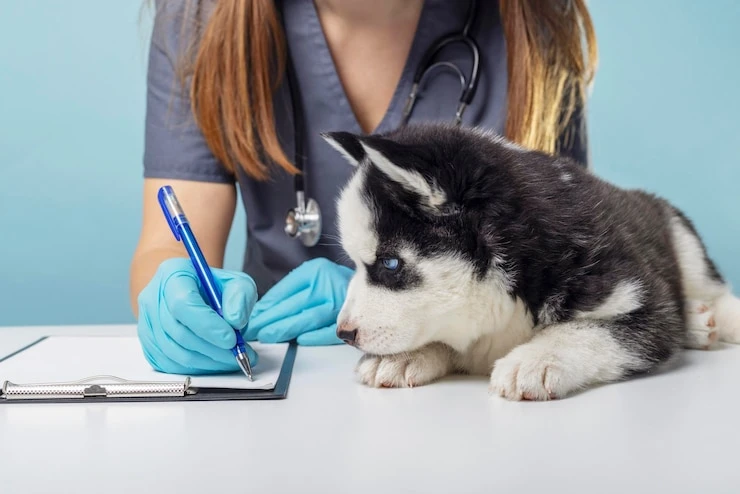
Pets are more than just animals we live with, they are companions, protectors, and beloved members of our families. Just like humans, they require consistent health care to live long, happy, and healthy lives. One of the most vital aspects of pet health management is immunization and wellness care for pets. While the joy of owning a pet often revolves around cuddles, playtime, and companionship, responsible ownership also means ensuring they receive preventive medical attention.
In recent years, pet owners have become more proactive about preventive care, realizing that investing in wellness today prevents costly treatments tomorrow. From vaccinations that protect against dangerous diseases to regular wellness check-ups that detect early signs of illness, proper care helps pets thrive at every stage of life.
Why Immunization Matters in Pet Health
Vaccinations are the cornerstone of preventive veterinary medicine. Immunization and wellness care for pets protect them against a variety of contagious and potentially life-threatening diseases. Just as vaccines in humans have eradicated or controlled illnesses like polio and measles, pet vaccines serve a similar role in maintaining a disease-free community.
Core vs. Non-Core Vaccines
Veterinarians typically categorize pet vaccines into two types: core vaccines and non-core vaccines.
- Core Vaccines are considered essential for all pets, regardless of lifestyle or environment. For dogs, this includes vaccines against rabies, distemper, parvovirus, and adenovirus. For cats, core vaccines generally include rabies, feline panleukopenia, herpesvirus, and calicivirus.
- Non-Core Vaccines are recommended based on an animal’s lifestyle, environment, and risk exposure. For instance, dogs that spend time outdoors or in boarding facilities might require vaccines for Bordetella (kennel cough) or Lyme disease, while outdoor cats may need protection against feline leukemia virus (FeLV).
By tailoring vaccination schedules to each pet’s needs, veterinarians help strike a balance between essential protection and avoiding unnecessary medications.
The Role of Preventive Wellness Care
While immunization is crucial, wellness care for pets encompasses a broader scope. It involves comprehensive check-ups, nutritional guidance, dental care, parasite control, and monitoring of age-related conditions. Preventive wellness ensures that pets not only survive but also live a high-quality life.
Key Components of Pet Wellness Care
1. Annual Check-Ups
Routine examinations help detect health issues before they become serious. A veterinarian will check your pet’s weight, coat condition, heart, lungs, and overall behavior to catch early warning signs of illness.
2. Dental Health
Regular dental check-ups and cleanings can prevent painful infections, tooth loss, and even systemic health issues caused by bacteria entering the bloodstream.
3. Parasite Prevention
Fleas, ticks, and intestinal worms can cause discomfort, anemia, and even transmit dangerous diseases. Preventive medications and routine screenings help protect both pets and their owners from these risks.
4. Nutrition and Weight Management
Obesity in pets is a growing concern, linked to arthritis, diabetes, and heart disease. Veterinarians provide guidance on diet, portion control, and exercise tailored to each pet’s breed, age, and lifestyle.
5. Senior Pet Care
As pets age, they require more frequent wellness visits. Older animals may develop arthritis, kidney disease, or vision and hearing impairments. Regular screenings, bloodwork, and joint health evaluations are essential in providing comfort and longevity for senior pets.
The Connection Between Immunization and Overall Wellness
Immunization and wellness care for pets are not separate categories, they work together to create a strong foundation of health. Vaccinations reduce the risk of life-threatening illnesses, while regular wellness visits ensure pets are developing properly and staying in peak condition. For example, a wellness visit often includes reviewing vaccination schedules, discussing lifestyle changes, and ensuring preventive medications are up-to-date.
This holistic approach emphasizes that preventive care is not just about avoiding illness but actively promoting a healthier, happier life for pets.
Common Misconceptions About Pet Immunization
Despite the proven benefits of vaccination, some misconceptions still circulate among pet owners:
- “Indoor pets don’t need vaccines.”
- Even pets that remain indoors face risks. Viruses like rabies and feline panleukopenia can be introduced through contact with other animals or contaminated surfaces.
- “Vaccines can cause more harm than good.”
- While mild side effects like slight swelling or fatigue can occur, severe reactions are extremely rare. The benefits of vaccination far outweigh the risks.
- “Once vaccinated, pets don’t need boosters.”
- Immunity can wane over time. Booster shots are necessary to maintain protection against certain diseases.
Educating pet owners about these myths helps improve vaccine compliance and overall pet health.
The Importance of Early Immunization
Starting immunization early in a pet’s life is critical. Veterinary guidelines typically recommend beginning vaccinations at 6–8 weeks of age and continuing with booster shots every few weeks until around 16 weeks.
This early intervention not only protects young pets but also reduces the spread of contagious diseases within communities. By ensuring early and complete vaccination, pet owners create a ripple effect of protection that benefits all animals.
How Pet Owners Can Take Action
Ensuring effective immunization and wellness care for pets requires active participation from owners. Here are some practical steps:
1. Schedule Regular Veterinary Visits – Do not wait until your pet appears ill; prevention is always better than treatment.
2. Keep Vaccination Records Updated – Work with your vet to create a vaccination schedule tailored to your pet’s needs.
3. Maintain Parasite Prevention – Regularly administer flea, tick, and worm preventives as recommended.
4. Prioritize Nutrition and Exercise – Support your pet’s health through balanced meals and daily activity.
5. Monitor Behavior Changes – Sudden shifts in appetite, energy, or mood may indicate an underlying health problem.
The Human-Animal Bond and Preventive Care
Investing in immunization and wellness care is not just about physical health, it strengthens the emotional bond between humans and their pets. When owners take steps to ensure their pets live longer and healthier lives, the companionship deepens. A healthy pet is more energetic, playful, and affectionate, enhancing the overall joy of pet ownership.
Moreover, preventive pet care often protects human health as well. Zoonotic diseases, those transmitted between animals and humans, can be prevented with proper vaccination and parasite control. In this way, pet wellness care safeguards entire households.
Looking Ahead: The Future of Pet Health
Advancements in veterinary medicine are making immunization and wellness care more effective and accessible than ever. From tailored vaccine schedules based on genetic markers to innovative wellness programs focused on longevity, the field is evolving rapidly. Telemedicine also allows pet owners to consult with veterinarians from home, ensuring timely care.
As awareness grows, more owners are embracing preventive care as a standard responsibility, not an option. This shift is creating healthier communities of pets and happier families who can cherish their companions for many more years.
Conclusion
Immunization and wellness care for pets are two of the most essential responsibilities of pet ownership. Vaccines protect against life-threatening diseases, while preventive wellness programs ensure pets maintain good health throughout their lives. By combining these approaches, pet owners not only extend the lifespan of their furry companions but also improve their quality of life.
Caring for pets goes beyond feeding and shelter, it means taking proactive steps to safeguard their well-being. Whether you are a first-time pet owner or have shared your life with animals for decades, committing to preventive health care is the greatest gift you can give your loyal companions.