Many parents look for different school options for their children. Some want a modern and balanced way of learning. IB schools offer that. These schools follow the International Baccalaureate curriculum. The focus is on thinking, not just reading and writing. Students learn through action and questions.
What is the IB Curriculum?
IB stands for International Baccalaureate. It is accepted in over 150 countries. It offers a global way of teaching and learning. The style is simple and clear. It connects classroom learning with daily life. The goal is to make students ask, think, and solve.
There are three levels in IB:
● Primary Years Programme (PYP) – for ages 3 to 12
● Middle Years Programme (MYP) – for ages 11 to 16
● Diploma Programme (DP) – for ages 16 to 19
Each level focuses on building knowledge step by step. The curriculum includes:
● English
● Math
● Science
● Social Studies
● Arts
● Physical Education
● Languages
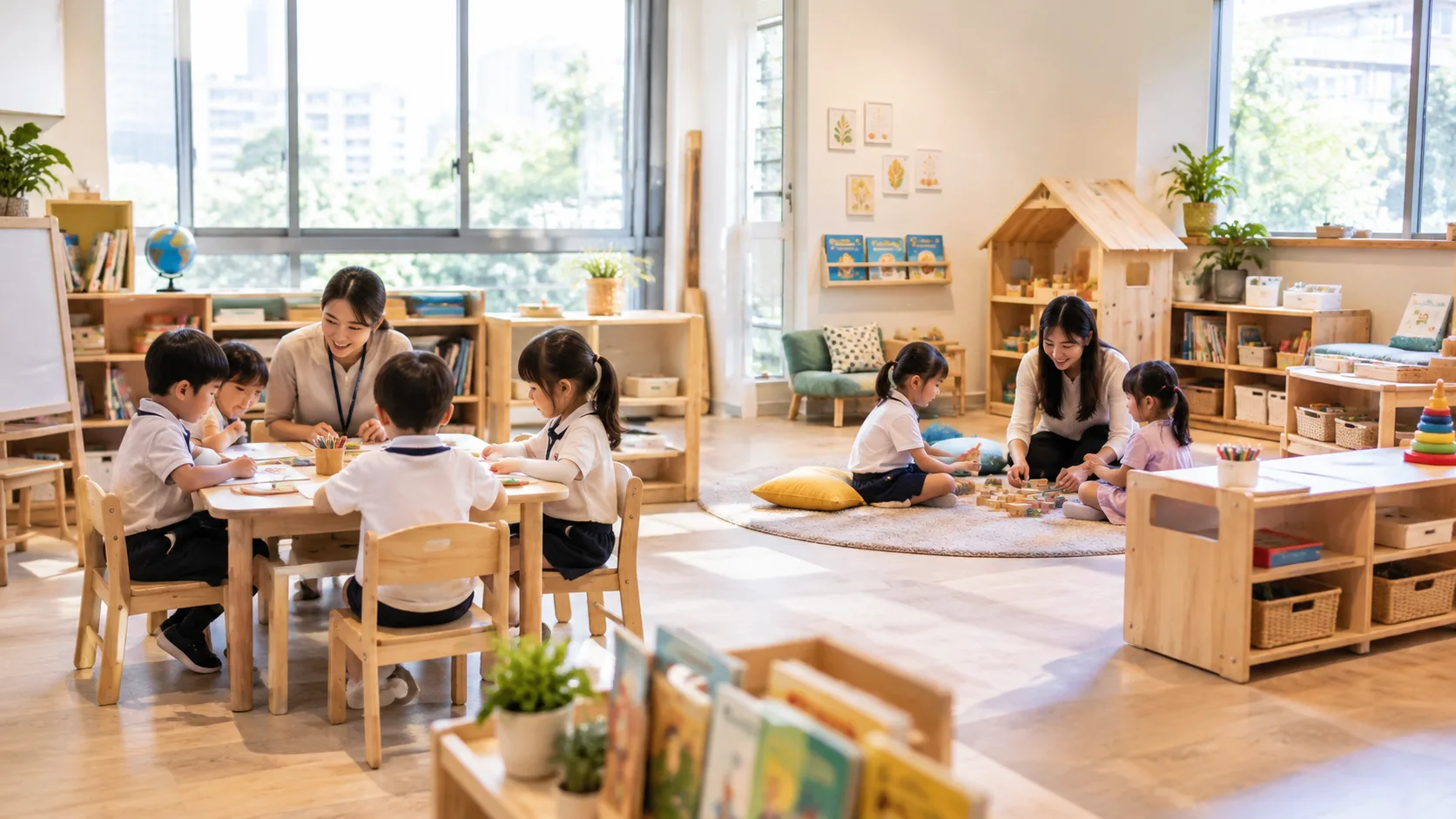
The learning is not just from books. Students work in groups. They present their thoughts. They do projects and reflect on what they learn. This builds confidence and better understanding.
Admission Process in IB Schools
IB school admission usually starts early in the year. Parents have to fill out forms online or at the school. They need to submit documents like birth certificate, ID proof, and previous school records.
Some schools take a short test. Others meet the child and parents before offering admission.
Most schools mention the steps on their websites. Still, it helps to visit the school office. It gives a better idea about the place and people.
Things to check before applying:
● Child’s age and class eligibility
● Location and transport options
● Facilities like labs and playgrounds
● Fee details including books and meals
● Student-teacher ratio
Some IB schools give a campus tour. It shows the classroom setup and daily activities.
IB Schools in India
India now has many IB schools. These are mostly in cities like:
● Gurugram
● Noida
● Bengaluru
● Mumbai
● Hyderabad
● Pune
Well-known IB schools include:
● Shiv Nadar School
● Pathways World School
● Dhirubhai Ambani International School
● Genesis Global School
● Oakridge International School
These schools have trained teachers. They update their teaching methods often. Classrooms are modern and student-friendly.
Students learn through discussion and observation. They also take part in field visits, art, and sports. This makes learning real and useful.
IB School Fees
IB schools charge higher fees than regular schools. The yearly fee usually ranges from ₹2 lakh to ₹7 lakh. This includes tuition. It does not always include books, meals, and transport.
Some schools ask for a one-time admission fee. Others add lab charges and activity costs.
It is better to ask for the total fee structure. Parents should also check for refund rules and payment deadlines.
Final Words
IB schools offer a balanced and clear way of learning. Children learn through action, questions, and reflection. It suits students who enjoy exploring ideas. Parents should choose a school that supports their child’s way of learning. A visit, a talk with teachers, and honest questions help make the right decision.