
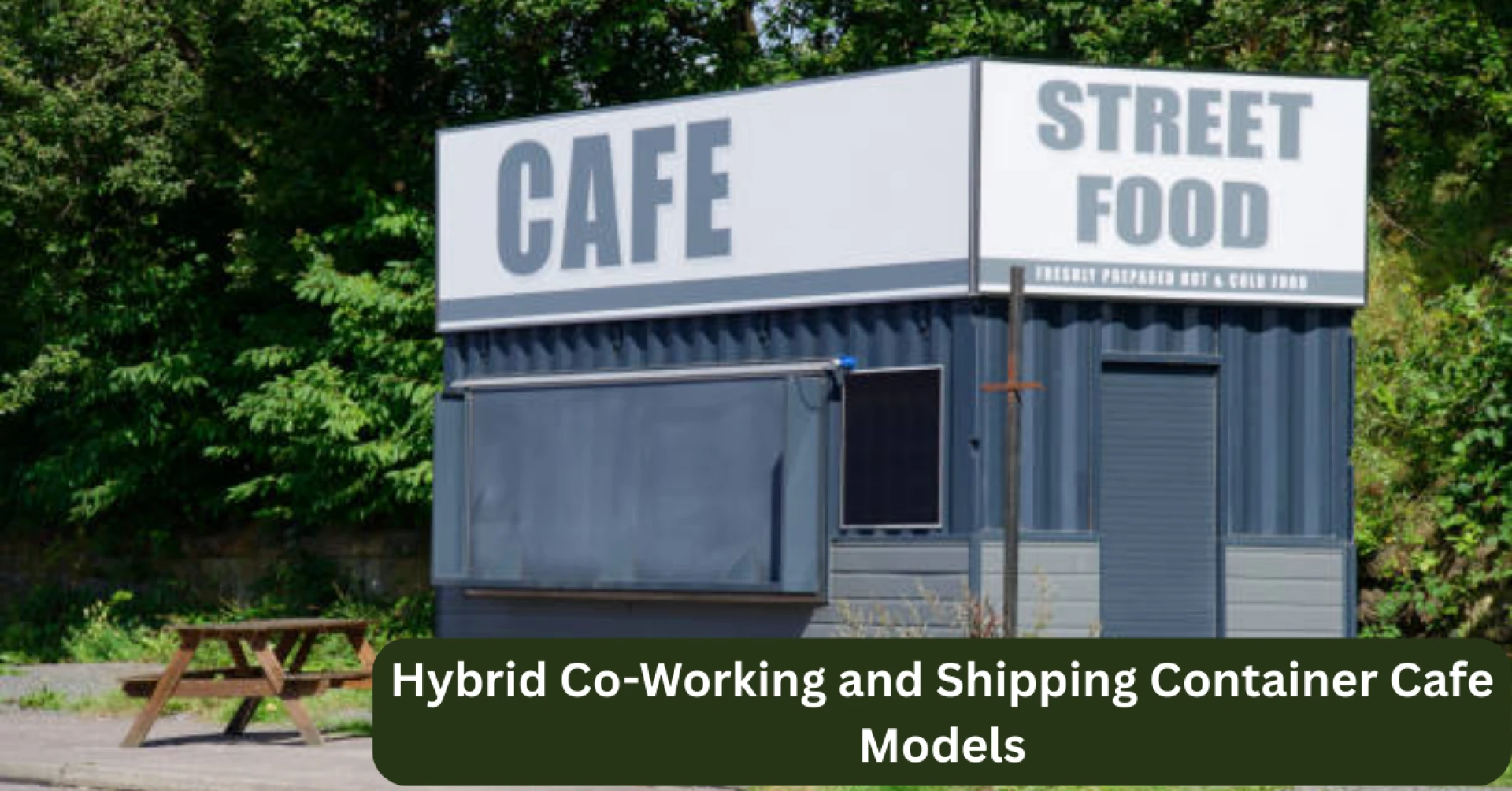
In recent years, the concept of co-working has evolved far beyond traditional shared office spaces. As remote work, freelancing, and startup cultures thrive in urban environments, the demand for flexible, inspiring, and multi-functional environments has grown. One of the most creative and sustainable responses to this trend is the hybrid model of co-working spaces integrated with shipping container cafes.
These hybrid models are changing how people work, collaborate, and relax, all within compact, efficient, and eco-conscious setups. This article explores the key features, benefits, and emerging trends behind this growing movement, with insights on how this innovation is shaping the future of work and hospitality spaces.
Why the Hybrid Model Works
The hybrid model of combining co-working spaces with a shipping container cafe meets the needs of modern professionals who value flexibility, aesthetics, and convenience. These setups typically use converted shipping containers to create compact, modular spaces that serve dual functions: part workspace, part cafe.
In a post-pandemic world where health-consciousness, outdoor environments, and alternative workspaces are prioritized, this concept has gained popularity for several reasons:
Space Efficiency
Cost-Effective Setup
Eco-Friendly Design
Mobility and Adaptability
Unique User Experience
The key appeal lies in its ability to serve both remote workers and coffee lovers in one place, creating a vibrant micro-community around innovation and creativity.
The Role of Shipping Containers in Modern Architecture
Shipping containers have become a staple in modern architectural innovation. Their modular nature, durability, and ease of transport make them ideal for rapid deployment and sustainable construction.
The shipping container cafe trend is a clear extension of this movement. These cafes not only function as food and beverage outlets but also act as social anchors in hybrid spaces. Their industrial aesthetic and customizable interiors allow them to blend into urban settings or stand out as trendy destinations.
In container conversion projects, particularly in urban hubs like Dubai, there is a growing demand for converting shipping containers into creative and eco-conscious commercial spaces. The container conversion Dubai trend demonstrates how these structures are being repurposed for hospitality, co-living, co-working, and retail environments.
Key Features of Hybrid Co-Working and Cafe Spaces
To be effective, a hybrid container-based workspace must incorporate both productivity-enhancing features and hospitality-driven design. Here are some of the core components of such spaces:
1. Zoned Areas for Work and Relaxation
A well-planned hybrid space will have designated areas for focused work and casual meetings, along with relaxing corners served by the adjacent cafe. The layout must facilitate productivity without sacrificing comfort.
2. Sustainable Design
Shipping containers are inherently sustainable due to their reusability. Integrating solar panels, rainwater harvesting, and natural ventilation further enhances the eco-friendly profile of these hybrid spaces.
3. High-Speed Connectivity
Reliable internet access is non-negotiable in a co-working environment. These spaces are equipped with fast Wi-Fi and charging ports to support digital nomads and professionals alike.
4. Minimalist and Modular Interiors
The interiors often follow minimalist design principles to make the most of limited space. Foldable desks, multi-use furniture, and vertical storage solutions are common features.
5. Community-Focused Atmosphere
Events such as networking sessions, workshops, or open mic nights help create a vibrant atmosphere and strengthen the sense of community within these hybrid setups.
Benefits of Using Shipping Containers for Hybrid Spaces
The use of shipping containers provides a variety of practical and aesthetic benefits:
Cost Efficiency
Building a hybrid workspace and cafe from traditional materials can be expensive. Containers drastically reduce construction and maintenance costs while offering faster setup times.
Mobility
Container-based cafes and workspaces can be relocated easily, which is ideal for temporary setups or testing business viability in new locations.
Scalability
Operators can start with one or two containers and expand as needed. This modularity allows for business growth without the need for major capital investments.
Sustainability
Repurposing containers prevents metal waste, reducing the need for new construction materials. It also aligns with global sustainability goals, especially when combined with green technologies.
Current Trends Driving the Popularity of Hybrid Models
1. Rise in Freelancing and Remote Work
With millions of professionals now working outside traditional office environments, the need for flexible spaces continues to rise. These hybrid setups offer an ideal balance between productivity and social interaction.
2. Preference for Outdoor and Open-Air Spaces
Consumers are gravitating towards semi-outdoor environments with good airflow. Container cafes, often with open walls or rooftop seating, meet this demand effectively.
3. Urban Space Optimization
In dense cities, land is limited. The compact nature of containers helps entrepreneurs set up shop in underused lots, rooftops, or public parks.
4. Architectural Innovation and Minimalism
Modern design trends favor functional, minimal aesthetics. Shipping containers offer an industrial-chic look that resonates with young, urban audiences.
5. Container Conversion Hubs Like Dubai
The growing popularity of container conversion in Dubai is a strong signal of global trends. Dubai has embraced modular and sustainable construction methods for retail and hospitality, further pushing the viability of such hybrid spaces.
Case Examples of Use (General Concepts)
While avoiding specific company names, we can identify general use cases:
- University Campuses: Hybrid container cafes offer students a place to study and socialize affordably.
- Tech Parks and Startups: Growing tech companies are embracing modular co-working cafes for their teams and visitors.
- Festivals and Pop-Up Events: Temporary hybrid setups provide event-goers with working zones and refreshment spots.
- Beachfront or Rural Areas: Remote hybrid cafes serve as peaceful alternatives to busy urban cafes, with work zones looking out onto natural views.
Design Tips for Setting Up a Hybrid Container Cafe
If planning to set up a hybrid container workspace, keep these design considerations in mind:
- Prioritize Natural Light – Install large glass windows or roll-up walls
- Ensure Proper Insulation – Containers can heat up, so insulation and air conditioning are essential.
- Incorporate Greenery – Plants improve air quality and aesthetics.
- Invest in Ergonomic Furniture – Comfort is key to retaining long-term customers.
- Use a Neutral Color Palette – Helps the small space feel more open and calming.
Challenges to Consider
Though promising, these setups come with their own set of challenges:
- Local Regulations – Container conversions must meet zoning and health codes.
- Space Limitations – Must be creatively designed to maximize use.
- Weather Adaptability – Must withstand extreme heat, cold, or rain depending on the region.
However, with proper planning and execution, these challenges can be managed effectively.
Final Thoughts
The fusion of co-working spaces and shipping container cafes reflects the evolving needs of the modern workforce and consumer. With their mobility, sustainability, and creative appeal, these hybrid models are reshaping how people work, interact, and build community.
As container conversion in Dubai and other global cities continues to rise, it’s clear that this trend is more than a fleeting design choice; it's a forward-looking solution for urban living and working in 2025 and beyond.
Whether you're an entrepreneur, architect, or simply a cafe enthusiast, the hybrid model offers inspiration for how small spaces can create big experiences. By leveraging smart design, sustainable materials, and human-centric concepts, hybrid shipping containers are truly at the forefront of modern workspace innovation.