
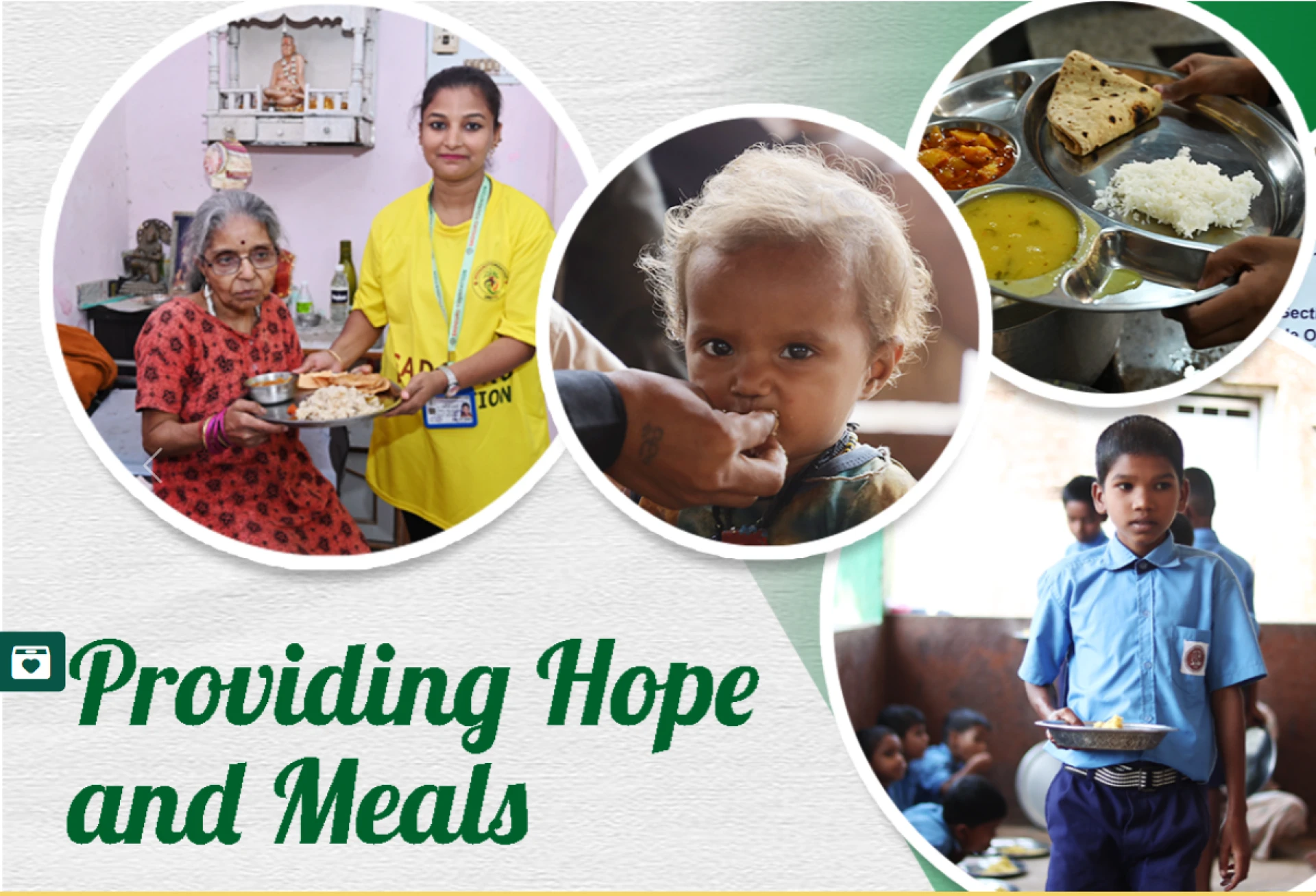
Hunger remains one of the most pressing humanitarian challenges in India, affecting millions of individuals across urban slums, rural villages, and marginalized communities. A hunger relief NGO India plays a crucial role in addressing this crisis by ensuring that vulnerable populations have access to nutritious meals, food supplies, and long-term food security solutions. These organizations act as a bridge between surplus and scarcity, transforming community compassion into organized, measurable impact.
Understanding Hunger in India: Scope and Causes
Despite economic growth, food insecurity continues to affect a significant portion of India’s population. Hunger is not always visible, but its consequences are profound, including malnutrition, weakened immunity, stunted growth in children, and reduced productivity in adults.
Several key factors contribute to hunger:
- Poverty and unemployment: Families with limited income struggle to afford daily meals.
- Rural isolation: Remote areas often lack consistent access to food distribution systems.
- Urban migration: Migrant workers frequently face unstable income and food access.
- Natural disasters: Floods, droughts, and climate change disrupt agriculture and livelihoods.
- Social inequality: Vulnerable groups such as elderly individuals, widows, and disabled persons often lack support systems.
Addressing hunger requires both immediate food assistance and long-term solutions that promote stability and dignity.
How Hunger Relief Organizations Operate
Organizations working to reduce hunger follow structured models designed to maximize reach and efficiency. Their efforts are not limited to distributing food; they also focus on creating sustainable food systems.
1. Direct Food Distribution Programs
One of the most visible activities is the distribution of cooked meals, ration kits, and emergency food supplies. These programs serve:
- Homeless individuals
- Low-income families
- Elderly citizens living alone
- Disaster-affected communities
- Children in underserved areas
These initiatives ensure that people receive immediate relief during critical times.
2. Community Feeding Initiatives
Community kitchens and feeding drives provide regular meals in accessible locations. These programs help maintain consistency, especially for people who cannot cook due to financial or physical limitations.
Community feeding programs also promote inclusivity and restore dignity, as beneficiaries receive meals without discrimination.
3. Nutritional Support for Vulnerable Groups
Special attention is given to groups at higher risk of malnutrition, including:
- Children in rural and slum areas
- Pregnant and lactating women
- Senior citizens
- Persons with disabilities
Providing balanced nutrition helps improve overall health outcomes and reduces long-term medical risks.
4. Food Recovery and Redistribution
A significant amount of food is wasted daily in households, restaurants, and events. Hunger relief initiatives collect surplus food and safely redistribute it to those in need. This approach addresses two problems simultaneously—food waste and hunger.
Food recovery systems require careful coordination, hygiene protocols, and efficient logistics to ensure safety and timely distribution.
5. Emergency and Disaster Response
During crises such as floods, pandemics, or economic disruptions, food becomes an urgent necessity. Hunger relief teams mobilize quickly to provide ration kits, cooked meals, and essential supplies.
Rapid response ensures that affected families can focus on recovery without worrying about basic survival needs.
The Importance of Sustainable Hunger Solutions
While immediate food distribution is essential, long-term solutions are equally important. Sustainable hunger relief focuses on empowering communities rather than creating dependency.
Some key sustainable approaches include:
- Skill development programs to improve employment opportunities
- Community awareness programs on nutrition and food management
- Support for local food systems to improve availability and accessibility
- Volunteer engagement to build community-driven support networks
These measures create a lasting impact by strengthening food security at the grassroots level.
Role of Volunteers in Hunger Relief
Volunteers are the backbone of hunger relief efforts. They contribute by:
- Preparing and distributing meals
- Organizing food drives
- Managing logistics and inventory
- Supporting awareness campaigns
Volunteering not only helps those in need but also fosters empathy, social responsibility, and community unity.
Role of Donations and Community Support
Financial contributions and food donations enable hunger relief programs to reach more people. Even small contributions can help provide meals, ration kits, or emergency supplies.
Support from individuals, businesses, and communities strengthens operational capacity and ensures continuity of programs.
Transparency and accountability are essential, ensuring that contributions are used effectively to maximize impact.
Impact on Society
Hunger relief efforts create measurable and meaningful outcomes, including:
- Reduced malnutrition rates
- Improved health and immunity
- Enhanced educational outcomes for children
- Greater stability for vulnerable families
- Stronger community bonds
When individuals have access to food, they can focus on education, work, and personal growth, contributing positively to society.
Moving Toward a Hunger-Free Future
Eliminating hunger requires collective action involving communities, volunteers, donors, and structured organizations. Hunger relief initiatives demonstrate that systematic planning, compassion, and sustained commitment can significantly reduce food insecurity.
Every meal distributed represents more than food—it represents dignity, care, and hope. With continued awareness, support, and coordinated action, India can move closer to a future where no one has to sleep hungry.