Introduction
Data exists everywhere, in spreadsheets, dashboards, and thousands of web pages, quietly holding valuable insights. The problem is not availability; it is accessibility. Extracting that data manually feels like copying notes from a blackboard that never stops updating, and frankly, nobody enjoys that. This is where web scraping enters the conversation as a practical solution. It allows businesses to collect, organize, and use data efficiently without the repetitive grind. In this guide, we explore how scraping works, the tools behind it, and where it delivers the most value in real-world scenarios.
What is Web Scraping (Without Making It Sound Scary)
Web scraping is simply the process of extracting data from websites and turning it into a structured format that can be analyzed or stored. Think of it as teaching a system to read web pages the way humans do—only faster and without coffee breaks. Instead of copying product details or listings manually, automated scripts handle the job at scale. Many organizations rely on web scraping services to gather consistent, reliable data for decision-making, making it less about complexity and more about efficiency in handling large volumes of information.
How Web Scraping Actually Works (Behind the Scenes)
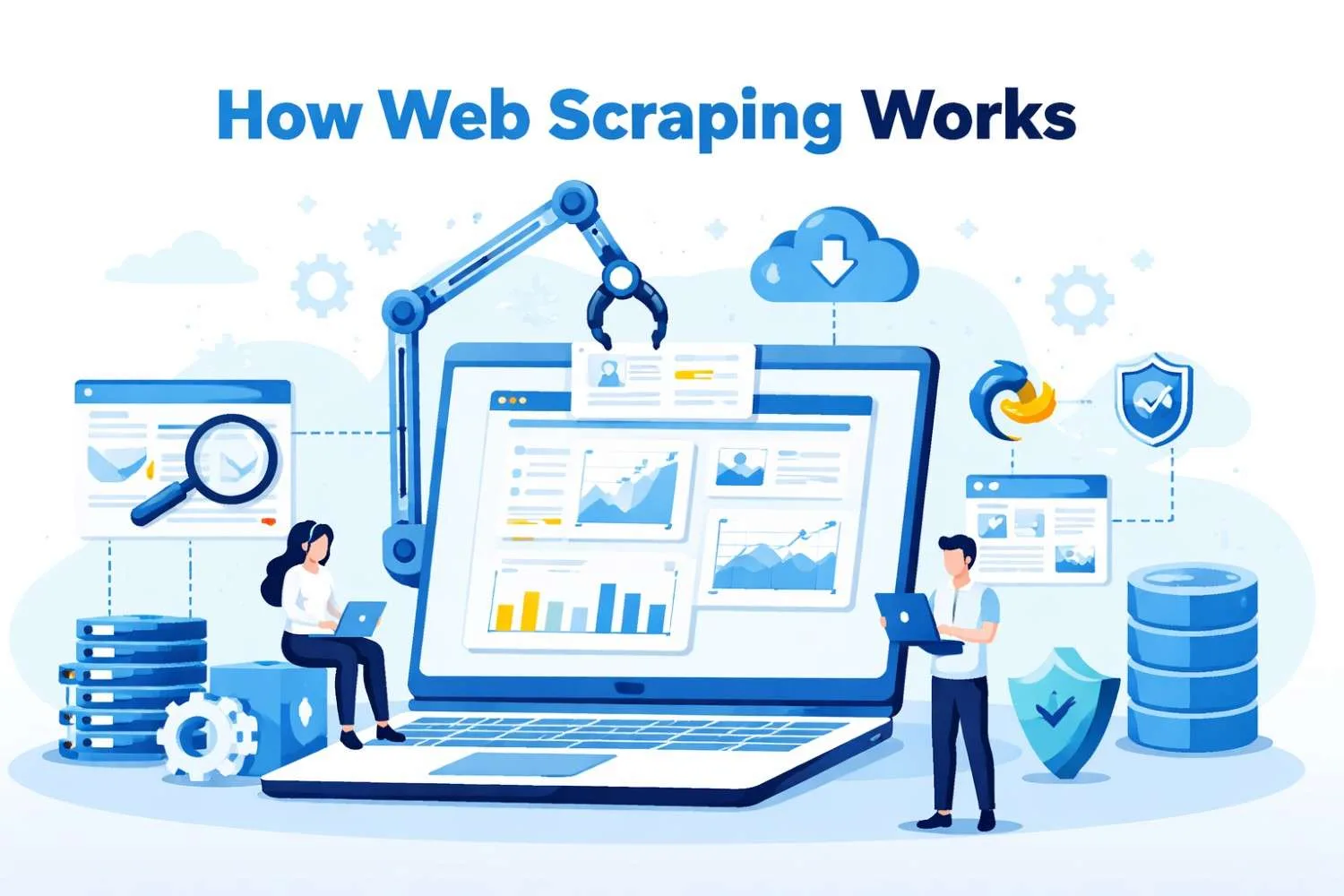
At its core, web scraping follows a logical sequence. A request is sent to a website, much like opening a page in a browser. The server responds with HTML content, which contains the data displayed on the page. That content is then parsed, allowing specific elements—like prices, names, or descriptions—to be extracted. Finally, the data is stored in a structured format such as a database or spreadsheet. While the process sounds technical, it is essentially a repeatable workflow designed to transform unorganized web content into meaningful business insights.
Popular Web Scraping Tools (And When to Use Them)
Choosing the right tool often determines how smooth the scraping process becomes. Some tools cater to beginners with visual interfaces, while others provide developers with full control through coding frameworks. Cloud-based platforms add scalability, making it easier to handle large datasets. Web scraping tools vary widely in complexity and capability, which means selecting one depends on project requirements rather than trends. Teams sometimes over-engineer this step, when a simpler solution could deliver the same outcome with less effort and fewer maintenance headaches.
Key Scraping Techniques That Actually Matter
Not all websites behave the same, which is why different scraping techniques are required. Static scraping works well for simple pages, while dynamic scraping handles content loaded through JavaScript. API-based extraction can offer cleaner data when available, reducing complexity. Advanced approaches like headless browsers simulate real user interactions, making them useful for modern web applications. Websites, however, are not always welcoming to automated requests, so strategies like proxy rotation and rate limiting help maintain access without triggering restrictions or interruptions.
Real-World Use Cases (Where Things Get Interesting)
Web scraping proves its value across industries where data drives decisions. E-commerce businesses monitor competitor pricing, while marketers gather leads from publicly available sources. Real estate platforms aggregate listings, and travel companies track fares dynamically. In one case, managing thousands of product listings daily revealed unexpected inconsistencies in pricing data—something manual processes would have easily missed. These scenarios highlight how automation not only saves time but also uncovers insights that might otherwise remain hidden in plain sight.
Challenges & Ethical Considerations
Scraping is powerful, but it comes with responsibilities. Legal considerations, such as website terms of service, must be respected to avoid complications. Technical barriers like CAPTCHA, IP blocking, and rate limits can disrupt workflows if not handled carefully. Data accuracy is another concern, as poorly structured sources can lead to unreliable results. Ethical scraping practices ensure that data is collected responsibly and used appropriately. Just because information is accessible does not automatically make it fair game, and maintaining that balance is essential for long-term success.
Why Businesses Prefer Custom Solutions
Off-the-shelf tools often solve basic problems, but they rarely scale with growing business needs. Custom solutions provide flexibility, allowing systems to adapt to specific data structures, workflows, and performance requirements. They also improve accuracy by tailoring extraction logic to unique use cases. Over time, this reduces errors and manual intervention. Businesses looking for long-term efficiency tend to invest in solutions that evolve alongside their operations, rather than relying on generic tools that may struggle under increasing complexity or data volume.
Best Practices for Effective Web Scraping
Successful scraping depends on consistency and discipline. Respecting website guidelines, such as robots.txt, helps maintain compliance. Managing request frequency prevents server overload and reduces the risk of being blocked. Cleaning and validating extracted data ensures accuracy before it is used for analysis. Efficient storage methods make large datasets easier to manage. Scraping is not a one-time task; it requires ongoing monitoring and updates. Treating it as a continuous process rather than a quick fix leads to more reliable and sustainable results over time.
The Future of Web Scraping
The future of web scraping is closely tied to advancements in automation and artificial intelligence. Smarter systems are emerging that can adapt to changing website structures without constant reconfiguration. At the same time, stricter regulations are shaping how data can be collected and used. APIs are becoming more common, offering structured alternatives to traditional scraping. While opportunities continue to grow, the need for responsible and compliant data practices will become even more important in the evolving digital landscape.
FAQs
1. What is web scraping used for?
Web scraping is commonly used for collecting data such as product prices, market trends, customer information, and competitor insights. It helps businesses make informed decisions by providing large volumes of structured data quickly and efficiently.
2. Is web scraping legal?
The legality of web scraping depends on how the data is collected and used. Following website terms, respecting data privacy laws, and avoiding restricted content are essential to ensure compliance.
3. What are the best tools for beginners?
Beginner-friendly tools usually offer visual interfaces that simplify the scraping process. These tools require minimal coding and are ideal for small-scale data extraction tasks or quick projects.
4. How do websites block scraping?
Websites use techniques such as CAPTCHA, IP blocking, and rate limiting to prevent automated access. These measures help protect their data and ensure fair usage of resources.
5. Can scraping work on dynamic websites?
Yes, dynamic websites can be scraped using advanced methods like headless browsers or automation frameworks that simulate user interactions and load JavaScript-based content.
Conclusion
Web scraping continues to play a crucial role in turning scattered web data into meaningful insights. From simple extraction tasks to complex data pipelines, the approach adapts to a wide range of business needs. While the process may seem technical at first glance, its value lies in simplifying access to information that would otherwise remain difficult to collect. Data does not organize itself, and relying on manual effort rarely scales. With the right approach, scraping becomes less of a challenge and more of a strategic advantage.