Outdoor lighting plays a critical role in security, safety, and productivity for residential, commercial, and industrial spaces. Flood lights are commonly used in open areas because of their wide illumination and high brightness. However, outdoor flood lights are constantly exposed to changing weather conditions, which can significantly affect their performance and lifespan. Understanding how weather impacts flood lights and knowing how to prevent damage can help you choose the right lighting solution and reduce long-term maintenance costs.
How Weather Conditions Impact Outdoor Flood Lights
Different weather elements affect flood lights in different ways. From heavy rain to extreme heat, outdoor conditions can shorten the lifespan of poorly designed lighting fixtures.
Rain and Moisture Exposure
Rain is one of the most common challenges for outdoor flood lights. When moisture enters the fixture, it can damage internal components, cause short circuits, or reduce light output over time. Continuous exposure to humidity can also lead to condensation inside the housing, especially in low-quality flood lights.
Outdoor flood lights used in open spaces must be designed to resist water penetration. Without proper protection, even minor water exposure can lead to early failure.
Heat and High Temperatures
Excessive heat can be just as damaging as water. In areas with strong sunlight or high ambient temperatures, flood lights may overheat if they lack proper heat dissipation. Overheating reduces LED efficiency, causes color shifts, and shortens the overall lifespan of the light.
Solar flood lights are particularly affected by heat because their panels and batteries are directly exposed to sunlight. Poor-quality batteries may degrade faster under constant heat exposure.
Dust, Sand, and Pollution
Dust storms, construction areas, and industrial zones expose outdoor flood lights to fine particles. Dust accumulation on the lens reduces brightness and can trap heat inside the fixture. In polluted environments, chemical particles may also corrode metal components, affecting both performance and appearance.
Cold Weather and Frost
In colder regions, freezing temperatures can make materials brittle. Repeated freezing and thawing can cause cracks in seals, allowing moisture to enter the fixture. Batteries used in solar flood lights may also lose efficiency in extremely cold weather, resulting in reduced lighting hours.
Key Weather-Related Problems Faced by Flood Lights
Understanding common issues helps in selecting more durable outdoor flood lights.
Corrosion and Rust
Metal parts exposed to rain, humidity, and salty air are prone to rust. Corrosion weakens the structure of flood lights and affects mounting stability, especially in coastal or industrial areas.
Electrical Failures
Water ingress and temperature fluctuations can damage wiring and internal circuits. Electrical failures often lead to flickering, reduced brightness, or complete shutdown of the flood light.
Reduced Lifespan
Poor weather resistance leads to frequent replacements. This increases maintenance costs and disrupts lighting continuity in critical areas such as factories, warehouses, and parking spaces.
How to Prevent Weather Damage to Outdoor Flood Lights
The good news is that weather-related damage can be significantly reduced by choosing the right products and following best practices.
Choose Weather-Resistant Flood Lights
Always select outdoor flood lights designed specifically for exterior use. Look for fixtures built with durable materials such as aluminum housings and toughened glass lenses. Proper sealing prevents water and dust from entering the unit.
Understand IP Ratings
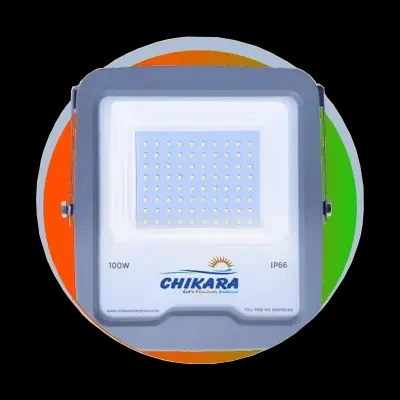
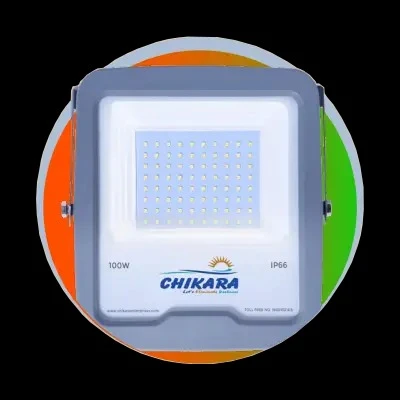
Ingress Protection (IP) ratings indicate how well a light is protected against solids and liquids. For outdoor flood lights, a higher IP rating ensures better resistance to rain, dust, and environmental exposure. This is especially important for areas with heavy rainfall or dusty conditions.
Proper Installation Matters
Correct installation plays a major role in preventing damage. Flood lights should be mounted at appropriate angles to avoid direct water accumulation. Secure mounting also reduces damage caused by strong winds or vibrations.
Regular Cleaning and Maintenance
Dust and debris should be cleaned periodically to maintain brightness and airflow. Regular inspections help identify early signs of wear, loose seals, or corrosion before they become serious problems.
Protect Solar Flood Lights Batteries
For solar flood lights, battery quality and placement are crucial. Ensure batteries are designed for outdoor temperatures and are well-protected within the housing. Position solar panels where they receive adequate sunlight without overheating.
Choosing the Right Flood Lights for All Weather Conditions
Selecting the right lighting solution ensures long-term performance and reliability.
LED Technology for Outdoor Use
LED-based flood lights are more energy-efficient and durable than traditional lighting. They produce less heat and are better suited to handle temperature variations, making them ideal for outdoor flood lights.
Industrial and Commercial Applications
For factories, warehouses, and large outdoor spaces, high-quality LED flood lights with strong weather resistance are essential. These environments demand lighting that performs consistently despite dust, heat, or moisture.
Conclusion
Weather has a significant impact on the performance, safety, and lifespan of flood lights. Rain, heat, dust, and cold can all cause damage if outdoor flood lights are not designed to withstand harsh conditions. By choosing weather-resistant designs, understanding IP ratings, ensuring proper installation, and performing regular maintenance, you can greatly extend the life of your lighting system.
Whether you are using standard outdoor flood lights or solar flood lights, investing in quality products designed for real-world weather conditions ensures reliable illumination, reduced maintenance costs, and long-term peace of mind.
Contact us
· Email id :- [email protected]
· Phone no :- 7088803774
· Our Address :- D-96, D-block, Sector-7. Noida (201301) U.P.
· Our Website :- https://chikaraenterprises.com/