Introduction: Why Food Waste Management Matters
Food waste is one of the biggest challenges facing restaurants, hotels, and commercial kitchens today. Not only does it cost businesses money, but it also has a significant environmental impact. Effective waste management food waste practices and smart food waste management solutions help organisations reduce costs, maintain hygiene, and demonstrate their commitment to sustainability.
Hungry Giant has been at the forefront of providing businesses with innovative solutions that make managing food waste practical, efficient, and eco-friendly.
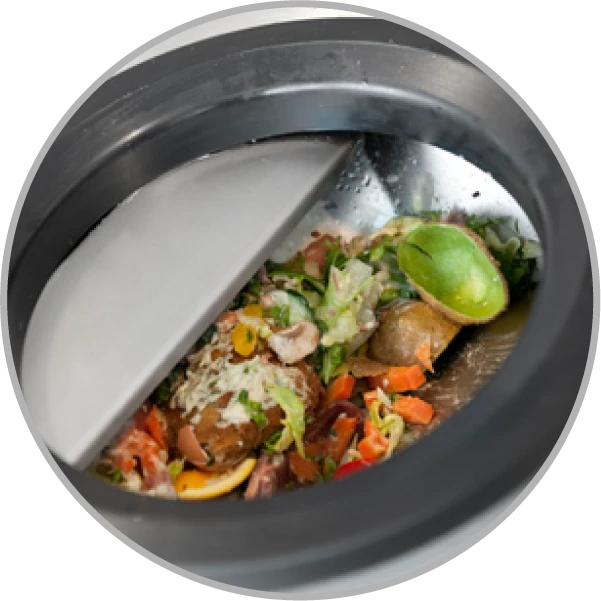
Understanding Food Waste in Commercial Settings
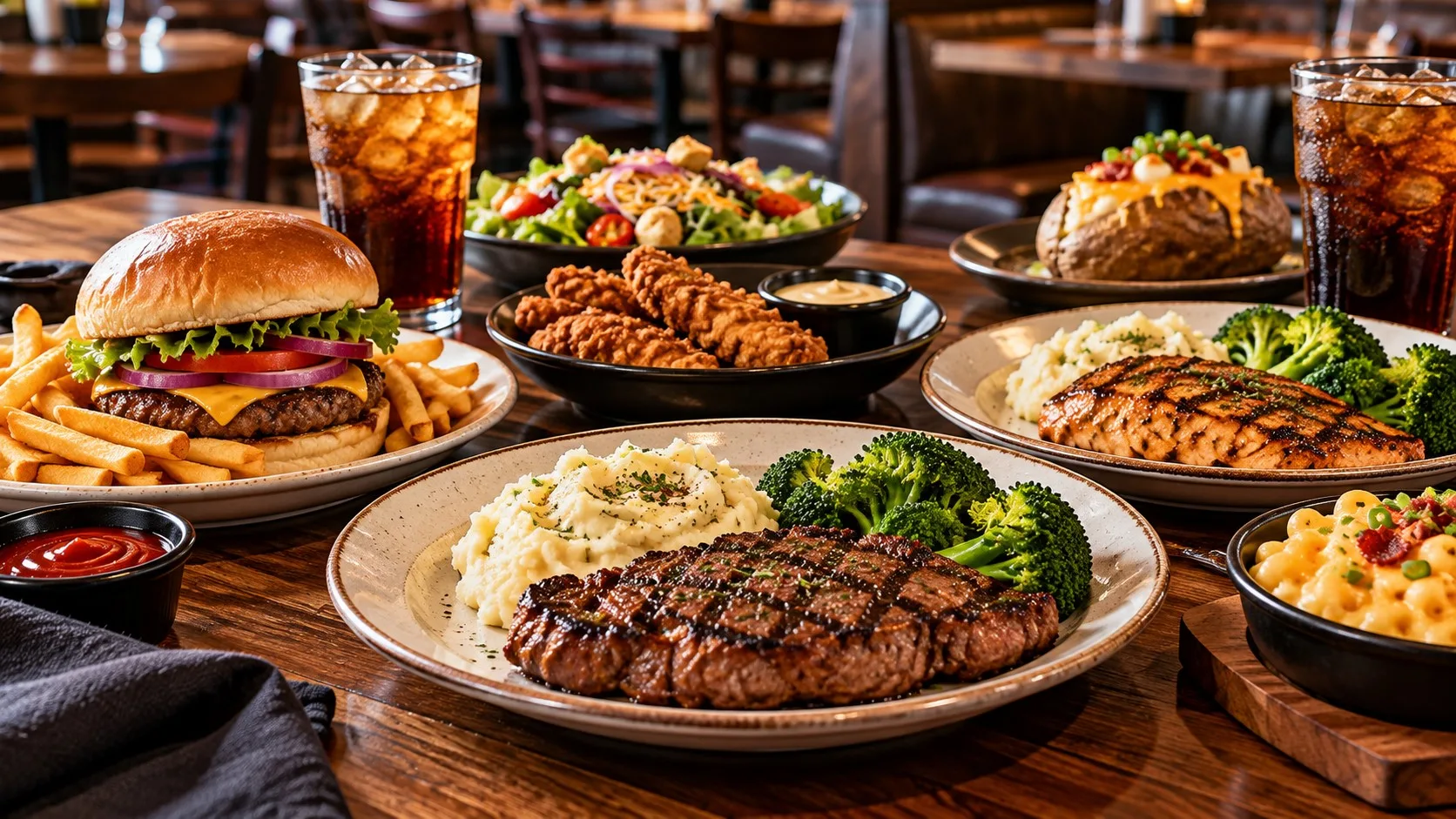
Restaurants, hotels, and cafeterias generate massive amounts of organic waste every day. This includes:
- Uneaten food from buffets or plates
- Expired or spoiled ingredients
- Leftover meal prep trimmings
- Packaging waste from food supplies
If not properly managed, this waste leads to higher disposal costs, foul odors, hygiene issues, and contributes to methane emissions in landfills.
Challenges of Waste Management Food Waste
Managing food waste is more complicated than simply tossing scraps into a bin. Common challenges include:
- High disposal costs: Regular landfill fees and frequent pickups can quickly add up.
- Hygiene concerns: Accumulating organic waste can attract pests and create unpleasant smells.
- Regulatory pressure: Many regions now require businesses to separate and recycle food waste.
- Sustainability expectations: Customers and stakeholders expect businesses to adopt eco-friendly practices.
Food Waste Management Solutions That Work
Businesses today are adopting a variety of food waste management solutions to address these challenges:
1. Onsite Equipment
- Food waste grinders break down scraps into manageable sizes.
- Dehydrators reduce volume and prevent odors.
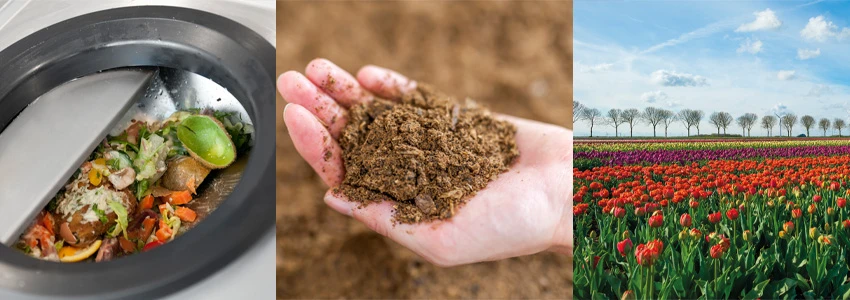
- Composting units convert organic waste into nutrient-rich compost.
2. Food Waste Collection Services
Professional services collect and transport food waste to composting facilities, anaerobic digesters, or bio-fuel producers. Outsourcing ensures compliance, reduces labour, and minimises disposal costs.
3. Waste Reduction Practices
- Optimise menu planning to reduce overproduction.
- Track inventory and manage stock to prevent spoilage.
- Re-purpose leftovers creatively within the kitchen.
4. Staff Engagement
Train staff on sorting, handling, and reducing waste. When employees understand the “why” behind waste management, practices become consistent and effective.
Benefits of Implementing Food Waste Management Solutions
- Cost Savings: Reduce landfill fees, transportation costs, and food losses.
- Environmental Impact: Lower greenhouse gas emissions by diverting waste from landfills.
- Operational Efficiency: Cleaner kitchens and streamlined disposal processes.
- Customer Perception: Eco-conscious customers appreciate sustainable practices, enhancing brand reputation.
Technology’s Role in Food Waste Management
Modern food waste management solutions use technology to make operations more effective:
- Smart tracking systems monitor waste volumes and identify inefficiencies.
- Data-driven reporting helps businesses understand trends and plan reductions.
- Integration with collection services ensures seamless compliance and recycling.
Hungry Giant: Leading Food Waste Management Solutions
Hungry Giant provides businesses with tailored solutions that combine equipment and professional services. Their offerings include:
- Food waste grinders and dehydrators for onsite volume reduction
- Consultation and integration with food waste collection services
- Training programs for staff to maintain hygiene and sustainability
By implementing Hungry Giant’s solutions, restaurants, hotels, and commercial kitchens reduce costs, maintain cleaner operations, and become leaders in sustainability.
FAQs
Q1: What is the most effective food waste management solution for restaurants?
A combination of onsite grinders, dehydrators, and collection services usually works best for high-volume kitchens.
Q2: Can food waste be fully composted in commercial settings?
Yes, with proper sorting and dedicated composting systems, most food waste can be safely converted into compost.
Q3: How does technology improve food waste management?
Smart systems track waste volumes, identify patterns, and help businesses implement targeted reduction strategies.
Q4: Are food waste management solutions cost-effective?
Absolutely. They reduce landfill fees, cut food losses, and improve operational efficiency, often paying for themselves over time.
Q5: How can staff help with food waste management?
Training staff to sort waste correctly, follow reduction practices, and understand sustainability goals is key to success.
Q6: Why choose Hungry Giant for food waste management?
Hungry Giant combines innovative equipment, professional consultation, and proven results to deliver practical, cost-effective, and sustainable solutions.
Conclusion
Effective waste management food waste practices and smart food waste management solutions are no longer optional—they’re essential for cost control, sustainability, and operational efficiency. Businesses that implement these strategies not only save money but also strengthen their reputation with eco-conscious customers.
Partnering with experts like Hungry Giant ensures that food waste is managed efficiently, hygienically, and responsibly, helping businesses achieve a greener, cleaner future.