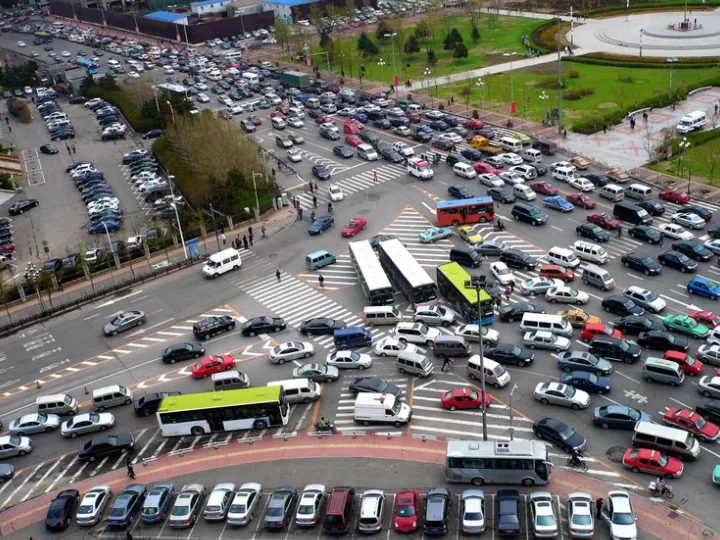
Road construction and infrastructure maintenance can create unexpected challenges when traffic conditions change or access routes become restricted. A traffic guidance scheme provides a structured approach to directing vehicles and pedestrians safely around temporary work areas. A traffic management consultant can assist project teams with identifying potential hazards, assessing road conditions and developing suitable traffic arrangements. Effective coordination between planning and onsite implementation helps reduce disruptions, maintain safer working environments and support organised traffic movements throughout construction activities.
Identifying Unexpected Roadwork Traffic Challenges
Construction projects can experience changing conditions that affect normal traffic movements. Unexpected congestion, equipment delays and restricted access points may require adjustments to established traffic arrangements.
Assessing Sudden Traffic Disruptions
Increased vehicle volumes, temporary lane restrictions and unplanned delivery movements can create congestion around active worksites.
Regular traffic observations help identify emerging concerns and determine whether additional control measures are necessary.
Evaluating Worksite Access Limitations
Narrow roads, restricted turning areas and limited visibility can make construction vehicle movements challenging.
Assessing these limitations helps project teams establish suitable entry and exit arrangements while maintaining reasonable access for surrounding road users.
Developing Flexible Traffic Control Arrangements
Temporary traffic controls help motorists and pedestrians navigate changing road conditions during construction activities.
Well-designed arrangements should consider potential disruptions, available road space and the movement requirements of different vehicles.
Establishing Suitable Traffic Diversions
Temporary diversions may be necessary when construction activities restrict normal vehicle routes.
Alternative routes should consider road capacity, surrounding intersections and vehicle dimensions to avoid creating additional hazards.
Positioning Appropriate Warning Devices
Warning signs communicate temporary restrictions and approaching construction hazards.
Cones, delineators and barriers provide additional guidance by identifying restricted areas and directing road users through changed conditions.
Evaluating Construction Traffic Planning Requirements
Construction projects require coordinated traffic strategies that address both operational requirements and surrounding road conditions.
Professional assessments can help identify potential risks and determine suitable procedures for managing temporary restrictions.
Reviewing Construction Traffic Impacts
Construction deliveries, equipment movements and temporary road closures can affect surrounding traffic patterns.
Evaluating these impacts helps identify congestion points and establish suitable vehicle access arrangements.
Preparing Relevant Traffic Documentation
Traffic documentation may include risk assessments, temporary control layouts, vehicle movement details and pedestrian access arrangements.
Documentation requirements depend on construction activities, applicable safety standards and relevant road authority conditions.
Coordinating Safe Construction Vehicle Movements
Heavy machinery and delivery vehicles frequently operate near public roads during construction.
Coordinating these movements helps reduce conflicts with motorists, pedestrians and other construction activities.
Managing Heavy Vehicle Access
Large construction vehicles require sufficient turning space, suitable access points and adequate visibility.
Clearly designated routes help drivers navigate temporary restrictions and minimise interactions with surrounding traffic.
Organising Construction Delivery Schedules
Multiple deliveries arriving simultaneously may create congestion near site entrances.
Coordinated scheduling helps manage available unloading space, reduce unnecessary vehicle queues and maintain efficient construction operations.
Monitoring Changing Roadwork Safety Conditions
Traffic arrangements should remain adaptable as construction activities progress and surrounding conditions change.
Regular inspections and communication help maintain suitable safety controls throughout different project stages.
Conducting Routine Traffic Inspections
Inspections help identify damaged signs, displaced barriers, restricted access points and obstructed pedestrian routes.
Documenting these observations supports corrective action and ongoing traffic safety management.
Updating Temporary Traffic Controls
Existing arrangements should be reviewed whenever significant changes affect road layouts, construction activities or vehicle access requirements.
Revised procedures should be communicated to relevant personnel before implementation.
Frequently Asked Traffic Management Questions
Why Are Temporary Traffic Arrangements Important?
Temporary arrangements help manage vehicle and pedestrian movements when construction activities affect normal road conditions. They establish clear routes, identify restricted areas and support safer access around active worksites.
Who Prepares Roadwork Traffic Documentation?
Suitably qualified or competent professionals generally prepare traffic management documentation. Their responsibilities may include assessing road conditions, identifying hazards and developing appropriate traffic controls in accordance with relevant requirements.
When Should Traffic Controls Be Reviewed?
Traffic controls should be reviewed whenever construction activities, road conditions or vehicle access requirements change significantly. Routine inspections can also identify arrangements requiring modification.
How Can Unexpected Traffic Risks Be Reduced?
Unexpected traffic risks can be reduced through regular monitoring, clearly defined vehicle routes, appropriate warning signs and effective communication. Flexible planning also helps construction teams respond to changing conditions while maintaining safer work environments.