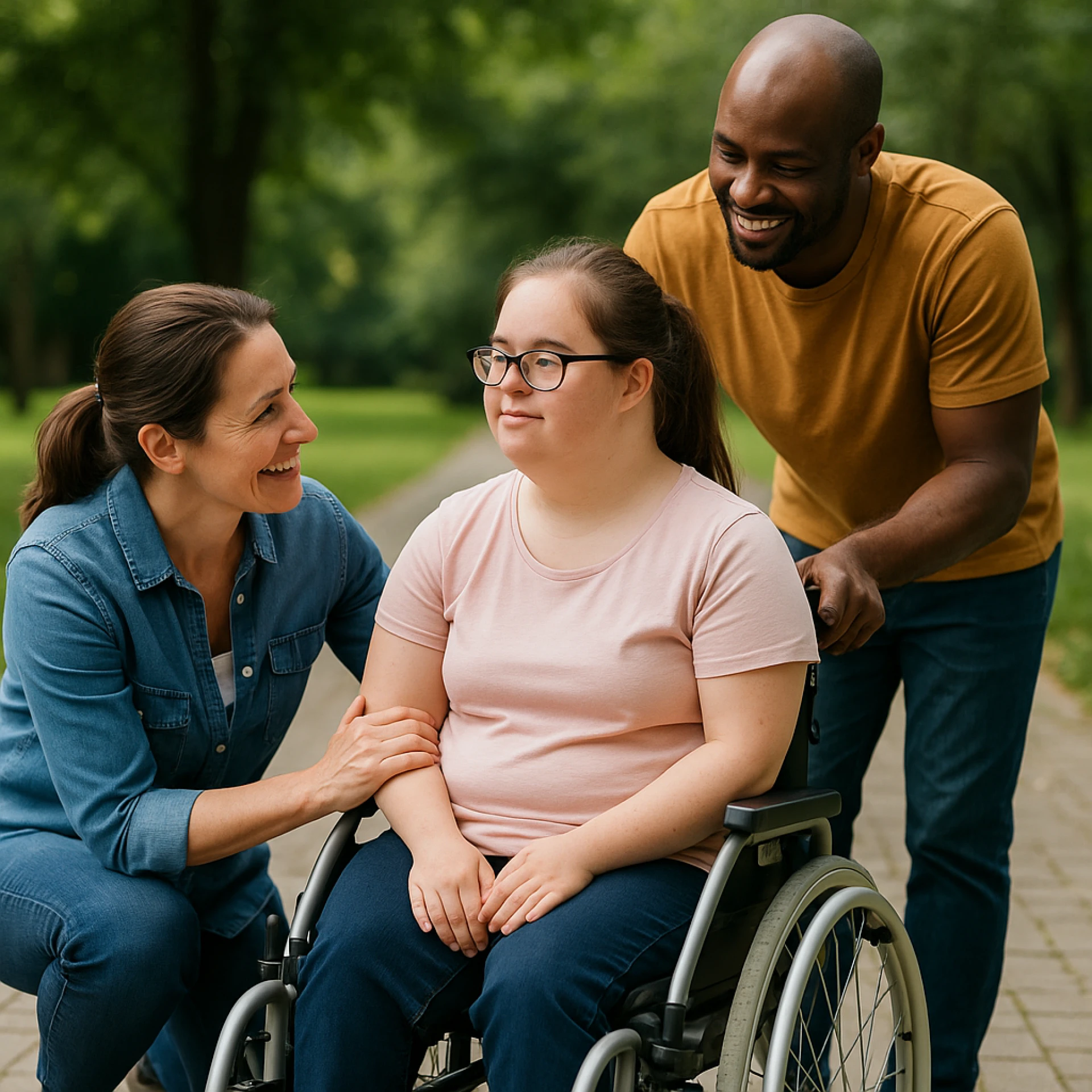
The shift toward independence-focused support in Australia has transformed what disability care looks like for many people living with disability. Rather than assuming participants require ongoing assistance, today’s support planning encourages everyday skills, community involvement, relationship building and personal decision-making. This way of thinking reflects the National Disability Insurance Scheme’s commitment to choice and control, and it shows how independence is not about doing everything alone. It is about having the right tools, confidence and services in place to make personal goals achievable. That is where holistic support approaches, such as those offered through Total Care Disability Services, become significant to daily life for many participants.
Understanding Personal Everyday Independence
Independence may look dramatically different from person to person, depending on their individual circumstances, goals and aspirations. For one participant, independence may mean learning how to take public transport. For another, it may mean confidently managing personal care routines, budgeting weekly expenses or contributing to their household. Some individuals may focus on expressive communication, while others may prioritize learning skills for supported employment.
The most important element across these different goals is personal choice. Independence is not about what a support worker believes is best for the participant; it grows when the participant decides their priorities, and the support team responds to those priorities. This aligns with the rights-driven approach of the NDIS, where autonomy is a fundamental expectation rather than a reward.
A recent article on The OmniBuzz emphasized how stories of personal empowerment often begin with small decisions that eventually build confidence. Posts that highlight community engagement show how autonomy can evolve through connection, not just self-sufficiency. Linking these perspectives reinforces how disability support intersects with broader Australian health and lifestyle topics found on platforms like The OmniBuzz.
Why Choice and Control Matter
When support services recognize and respond to individual goals, a participant may feel more confident about expressing their needs, learning new skills and advocating for themselves. Choice and control promote dignity by enabling participants to set and modify their goals at their own pace. This also strengthens trust between the participant and the support provider, which is essential when building new skills or routines that require consistency over time.
Just like community stories featured on The OmniBuzz, recognizing the importance of personal agency helps challenge assumptions about disability and support. It shifts conversations toward capability, growth and emotional wellbeing, instead of focusing narrowly on diagnosis or limitations.
Skill-Building in Daily Living
A significant part of promoting independence through services such as Total Care Disability Services involves everyday household tasks. These may include cooking, cleaning, laundry, personal care routines, home organization or planning weekly meals. These skills empower participants to play an active role in managing their homes and routines. Even when assistance is required, being involved in decision-making or contributing to the process boosts confidence and reduces feelings of dependency.
Budgeting is another important example. Learning how to make small cost decisions builds financial literacy and resilience. Whether using a shopping list, comparing prices or tracking weekly spending, these skills help participants gain a stronger sense of control over their lifestyle choices. The objective is not to do everything alone, but to take part in decisions that shape daily living.
Community Participation and Social Confidence
For many participants, independence grows when they have opportunities to participate beyond the home. This may include visiting local markets, joining a sports group, attending social gatherings or developing hobbies. Participating in shared experiences fosters social skills, emotional awareness and problem-solving abilities. It can also help reduce isolation, a challenge recognized across many articles on trust-building in communities featured on The OmniBuzz.
Support with transport plays a major role here as well. Assistance with navigating public transport or travelling to activities may contribute to a sense of freedom, allowing participants to explore environments that they previously found inaccessible. Over time, this may build familiarity and confidence so that participants feel comfortable engaging with their community in different ways.
Technology and Adaptive Tools for Everyday Autonomy
Technology provides additional layers of independence. Communication devices, mobility tools, smart home technology, voice-activated equipment, adaptive utensils and even phone applications can support executive functioning and self-expression. Learning how to use these tools effectively may be one of the most empowering experiences for people who wish to take a more active role in their daily routines. Support providers who incorporate technology into learning plans broaden the opportunities available to participants.
Support through Total Care Disability Services may extend to helping individuals use adaptive tools with confidence. The intention is not to replace support workers or informal carers, but to increase participant capability in everyday contexts.
Emotional and Social Independence
Independence does not only relate to physical actions. Feeling confident socially, communicating comfortably and forming relationships are also part of daily autonomy. Group programs, mentoring and community activities create safe spaces for social practice. These interactions allow participants to discover personal interests, express their individuality and learn how to advocate for themselves in social environments.
Reducing pressure on family members and informal carers is another key outcome. When participants gain confidence socially and emotionally, they may rely on family in different ways—not out of dependency, but through shared participation in life decisions. For many families, this may improve stress levels and contribute to healthier, more balanced relationships.
You can find similar themes of social connection and wellbeing discussed in lifestyle-focused articles on The OmniBuzz, where the importance of community bonds is a recurring topic. These stories support the idea that inclusion and confidence play a central role in wellbeing, regardless of a person’s ability or circumstances.
Collaborative Support Planning and Person-Centred Care
Person-centred care planning is at the heart of independence-focused disability services. This may include consulting the participant throughout the planning process, reviewing goals regularly, providing opportunities for feedback and making sure that cultural values, communication styles and preferences are respected. It also means recognizing that independence grows differently for each person and must be supported without unnecessary pressure.
Respect and flexibility contribute to long-term outcomes. When a participant feels listened to, they may feel safer making decisions and trying new skills. Support teams who work collaboratively may create more meaningful, individual results than those who follow rigid care routines.
Conclusion
Everyday independence is shaped not by doing things alone but by having access to support that encourages learning, confidence and involvement in decision-making. When participants are supported with daily living, community engagement, emotional expression and personal choice, independence can flourish naturally. Approaches like those seen through Total Care Disability Services reflect an evolving culture of support that values empowerment over dependency.