
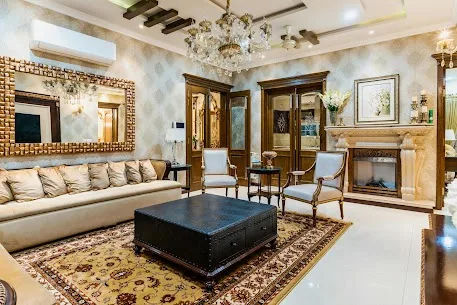
Walk into a well-designed home and you notice something almost immediately. It feels easy to live in. Nothing seems out of place. The furniture fits naturally, there’s room to move around, and even small corners appear useful. That kind of balance doesn’t happen by accident. Many homeowners turn to the top interior designing companies in india because creating a beautiful room is one thing, but creating a space that actually works every day is a completely different challenge.
A lot of people assume interior design is mostly about colors, expensive furniture, and decorative pieces. Honestly, that’s only a small part of it. The real work begins much earlier. Good designers spend time understanding how people live. A family with young children has very different needs than a retired couple. Someone working from home all week needs spaces that support focus, while another person may prioritize entertaining guests.
That attention to daily habits is often what separates ordinary interiors from truly functional spaces.
It Starts with Understanding the People Using the Space
Before sketching layouts or selecting materials, experienced designers ask questions. Lots of them.
How many people live in the house? Do they cook often? Are there pets? Is storage a constant problem? Do children need study areas? Small details like these shape the entire design process.
One homeowner might dream of a large dining table, only to realize they rarely host guests. Another might think they need a bigger living room but actually need better storage solutions. Sometimes the problem isn't space itself. It's how the space is being used.
Interior designers often spend time observing these patterns before making recommendations. It sounds simple, though it can make a huge difference.
Smart Space Planning Makes Everything Easier
One thing you'll notice in projects completed by leading interior design firms is thoughtful space planning.
A room can look stunning in photographs yet feel cramped in real life. That's where layout planning becomes important. Designers consider traffic flow, furniture placement, door clearances, and movement paths.
Think about a kitchen. If the refrigerator, sink, and cooking area are positioned too far apart, daily tasks become frustrating. Not a major issue for a few days perhaps, but over months and years? It adds up.
The same idea applies to bedrooms, offices, living rooms, and even balconies. Every square foot should have a purpose.
This is one reason many people search for interior design companies in India that specialize in functional home interiors rather than purely decorative concepts.
Storage Is Usually the Hidden Hero
Funny thing is, storage rarely gets attention in design magazines.
People admire the sofa, the lighting fixture, or the wall finish. Yet the reason a room feels calm often comes down to hidden storage.
Top designers look for opportunities everywhere. Under-bed storage, floor-to-ceiling wardrobes, built-in shelving, concealed cabinets, and multifunctional furniture all help reduce clutter.
A cluttered room can feel stressful even if it's beautifully decorated.
I once visited a compact apartment that felt surprisingly spacious. The secret wasn't the size. Almost everything had a designated place. Shoes disappeared into hidden compartments. Seasonal items stayed tucked away in overhead storage. The result was a cleaner, more comfortable environment.
That's practical interior design at work.
Lighting Shapes How a Space Functions
Lighting is one of those things people often overlook until they experience a poorly lit room.
A single ceiling light rarely does the job. Different activities require different lighting conditions. Reading, cooking, working, relaxing, and dining all benefit from varying light levels.
Professional designers combine multiple lighting layers to create flexibility throughout the day.
Task lighting helps with focused activities. Ambient lighting creates overall brightness. Accent lighting highlights architectural features or artwork.
Natural light matters too.
Many residential interior designers try to maximize daylight by choosing appropriate window treatments, reflective surfaces, and furniture placement. A brighter room generally feels larger and more inviting.
Furniture Selection Is About More Than Appearance
It's easy to fall in love with furniture displayed in a showroom.
Then it arrives at home and suddenly feels too large, too small, or awkwardly placed.
Good designers measure carefully before making recommendations. They think about scale, comfort, and usability.
A large sectional sofa might look amazing in a catalog but overwhelm a medium-sized living room. A stylish dining chair may photograph beautifully but become uncomfortable after twenty minutes.
Functional interior design focuses on how furniture performs in everyday life.
Looks matter. Comfort matters too.
Every Room Should Have a Clear Purpose
One common mistake homeowners make is trying to fit too many functions into a single room without proper planning.
A living room becomes a workspace. A guest room turns into storage. The dining area doubles as a study zone.
Life happens. Spaces evolve.
The challenge is creating flexibility without creating chaos.
Many modern interior design companies create multi-purpose rooms that adapt to changing needs. Foldable furniture, movable partitions, modular seating, and convertible workstations help make this possible.
The room still feels organized even when serving multiple purposes.
That's a tricky balance, honestly.
Materials Matter More Than People Realize
Beautiful materials are great. Practical materials are even better.
Families with children may need scratch-resistant surfaces. Pet owners often benefit from stain-resistant fabrics. Busy households usually appreciate low-maintenance finishes.
Top interior designers consider durability alongside appearance.
A material that looks perfect on day one but shows wear after six months can quickly become disappointing. Choosing surfaces that age gracefully often leads to greater satisfaction over time.
The goal isn't just creating a space that looks impressive during a photoshoot.
It's creating a space that continues working years later.
Technology and Functionality Go Hand in Hand
Modern homes increasingly include smart features. Automated lighting, climate controls, security systems, and voice-controlled devices have become more common.
Still, technology should support daily life rather than complicate it.
Experienced designers carefully integrate these features so they feel natural within the overall design. Wires remain hidden. Controls stay accessible. Devices blend into the surroundings.
Nobody wants a home that feels like a complicated instruction manual.
Why Functional Design Always Stays Relevant
Design trends change constantly. One year it's minimalism. The next year something completely different takes over social media.
Functionality tends to outlast trends.
Homes designed around comfort, convenience, storage, movement, and real-world needs continue serving their owners long after certain colors or decorative styles lose popularity.
That's probably why the most respected interior designers focus on how spaces feel and perform, not just how they look. A home should support everyday living without demanding constant adjustments from the people living inside it.
And honestly, when a room quietly makes life easier every single day, that's usually the sign of great design.