
Are you leaving money on the table by partnering with the wrong development team for your next digital project?
The digital landscape has undergone a seismic shift in recent years. Customers now expect seamless, lightning-fast applications that work flawlessly across devices. A study reveals that 90% of users abandon apps due to poor performance. The bar for digital excellence has never been higher, and businesses can no longer afford mediocre development partnerships.
Choosing a top application development company isn't just about coding anymore. It's about finding a strategic partner who understands market dynamics, user psychology, and emerging technologies. The right development team can catapult your business ahead of competitors, while the wrong choice can drain resources and damage your brand reputation.
This comprehensive guide explores what separates exceptional application development companies from average ones. You'll discover the critical factors that determine project success and learn how to identify partners who deliver results, not excuses.
Understanding the Application Development Landscape Today
The application development industry has evolved dramatically over the past five years. What once required months of development now takes weeks, thanks to advanced frameworks and tools.
Modern businesses face unique challenges in this environment. They must balance speed with quality, innovation with stability, and cost with value. The average application development project costs between $50,000 and $500,000, depending on complexity.
A top application development company navigates these challenges effortlessly. They've refined their processes through countless projects and learned from both successes and failures. Their experience becomes your competitive advantage.
The Rising Complexity of User Expectations
Today's users are sophisticated and unforgiving. They've experienced the best applications from tech giants and expect similar experiences from every business.
Consider these eye-opening statistics:
53% of mobile users abandon sites that take longer than three seconds to load
88% of users won't return to an app after a bad experience
Companies lose $62 billion annually due to poor customer service in mobile apps
Meeting these expectations requires more than basic development skills. It demands deep expertise in user experience design, performance optimization, and continuous improvement methodologies.
Key Characteristics That Define Top Application Development Companies
Not all development companies are created equal. The best ones share specific traits that consistently produce outstanding results.
Technical Excellence and Diverse Skill Sets
Elite development firms maintain teams proficient in multiple technologies and platforms. They don't put all their eggs in one basket.
Their developers master various programming languages including:
JavaScript frameworks like React, Angular, and Vue.js
Native mobile development for iOS and Android
Cross-platform solutions using Flutter or React Native
Backend technologies including Node.js, Python, and Java
Cloud platforms like AWS, Azure, and Google Cloud
This versatility ensures they recommend the best technology stack for your specific needs, not just the one they know.
Proven Track Record With Measurable Results
Words mean nothing without evidence. A top application development company showcases concrete results from previous projects.
They provide detailed case studies highlighting:
Specific challenges the client faced
Solutions they implemented
Measurable outcomes and business impact
Client testimonials with verifiable contact information
Request references and actually call them. Previous clients offer invaluable insights into what working with the company truly looks like.
Agile Methodology and Transparent Communication
The waterfall approach to development is dead. Modern projects demand flexibility and iterative improvements.
Leading development companies embrace agile methodologies that include:
Regular sprint cycles with deliverable features
Continuous client involvement and feedback loops
Transparent project management tools
Daily or weekly progress updates
Rapid response to changing requirements
Communication breakdowns kill projects. Top firms establish clear communication channels from day one and maintain consistent contact throughout development.
Strong Focus on User Experience
Beautiful code means nothing if users hate the application. The best development companies prioritize user experience at every stage.
Their UX process typically includes:
Comprehensive user research and persona development
Wireframing and prototyping before coding begins
Usability testing with real users
Iterative design improvements based on feedback
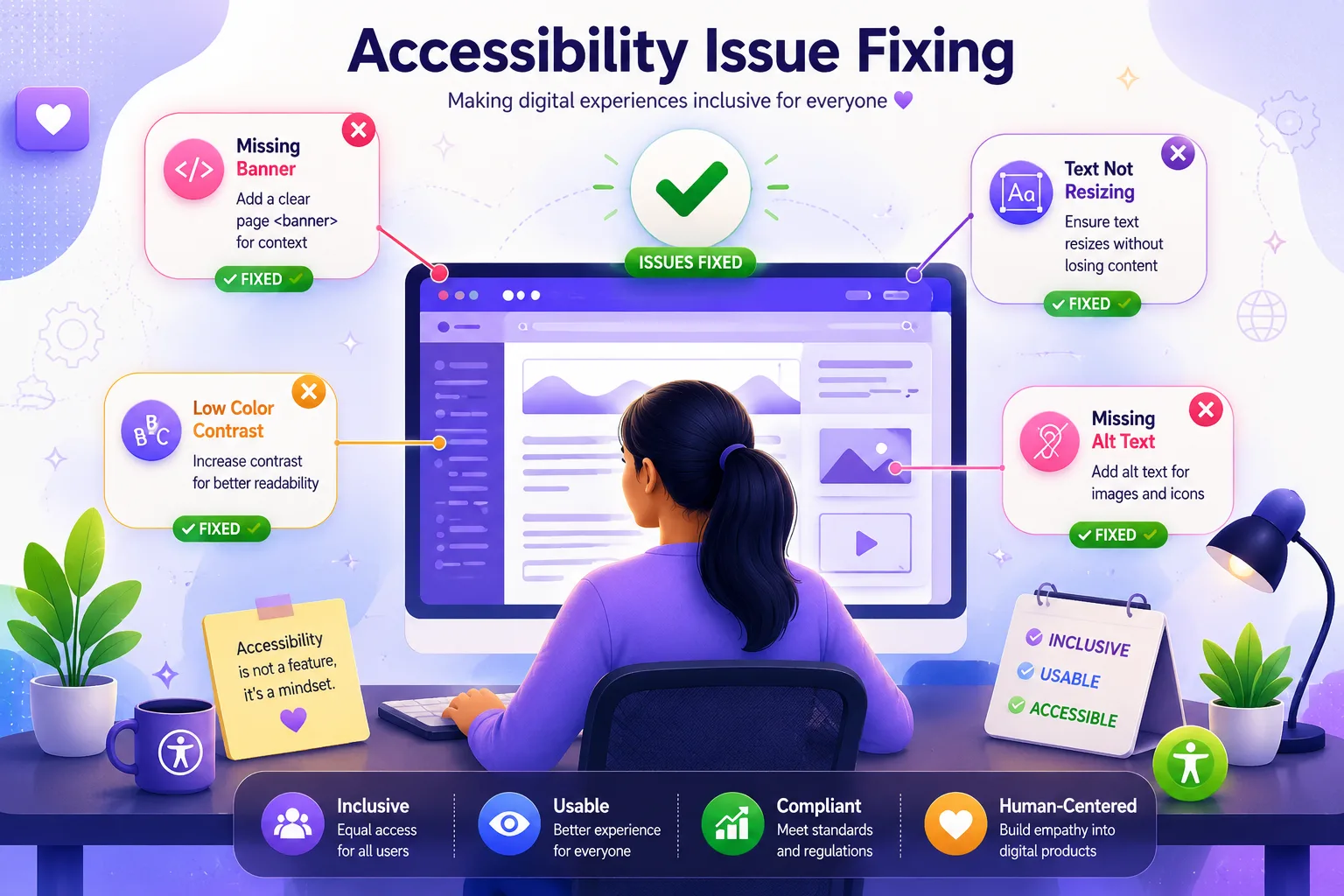
Accessibility compliance for inclusive design
They understand that successful applications solve real problems elegantly. Every feature serves a purpose, and every interaction feels natural.
The Business Impact of Choosing the Right Development Partner
Selecting a top application development company creates ripples throughout your entire organization. The benefits extend far beyond the initial launch.
Faster Time to Market
Speed matters in competitive markets. First-movers often capture disproportionate market share.
Experienced development teams accelerate your timeline through:
Reusable code libraries and components
Streamlined development processes
Parallel workstreams that don't bottleneck
Efficient testing and quality assurance
A project that might take an inexperienced team nine months could be completed in five months by experts. Those four saved months could mean the difference between market leadership and playing catch-up.
Reduced Long-Term Costs
Cheap development often becomes expensive quickly. Poor code quality creates technical debt that compounds over time.
Quality development saves money through:
Fewer bugs requiring emergency fixes
Easier feature additions and modifications
Better scalability requiring less rebuilding
Reduced maintenance overhead
Lower server costs through optimized performance
One client reported spending three times their original development cost fixing problems created by a budget development firm. They eventually rebuilt the entire application from scratch.
Enhanced Security and Compliance
Data breaches destroy businesses. The average cost of a data breach now exceeds $4 million.
Top development companies build security into every layer:
Secure coding practices preventing common vulnerabilities
Regular security audits and penetration testing
Compliance with industry regulations like GDPR and HIPAA
Encrypted data transmission and storage
Multi-factor authentication and access controls
They stay current on emerging security threats and proactively protect your application and users.
Critical Questions to Ask Potential Development Partners
Evaluating development companies requires asking tough questions. Their answers reveal true capabilities and compatibility.
About Their Process and Methodology
Understanding their development approach helps predict your experience working together.
Ask these specific questions:
How do you handle changing requirements mid-project?
What project management tools do you use?
How often will we receive progress updates?
Who owns the code and intellectual property?
What happens if we're unsatisfied with deliverables?
Vague or defensive answers are red flags. Confident, detailed responses indicate professionalism.
About Their Team Structure
You need to know who actually works on your project.
Important team-related questions include:
Will you assign a dedicated team or share resources?
What experience level do team members have?
Will we have a single point of contact?
How do you handle team member turnover during projects?
Can we interview key team members before starting?
Some companies promise senior developers but assign juniors. Clarify exactly who touches your code.
About Post-Launch Support
Applications require ongoing maintenance and updates. Ensure your partner provides long-term support.
Discuss these post-launch topics:
What warranty or guarantee do you offer on your work?
What are your maintenance and support options?
How quickly do you respond to critical issues?
Do you provide training for our team?
What are your rates for additional features or modifications?
A top application development company views launch as the beginning of a relationship, not the end.
Emerging Technologies Top Development Companies Master
Technology evolves rapidly. Leading development firms stay ahead of the curve.
Artificial Intelligence and Machine Learning Integration
AI transforms applications from simple tools into intelligent assistants. Modern development includes:
Natural language processing for conversational interfaces
Predictive analytics for personalized experiences
Computer vision for image and video analysis
Recommendation engines increasing engagement
Automated testing and quality assurance
These capabilities were once exclusive to tech giants. Now, skilled developers integrate them into applications of all sizes.
Progressive Web Applications
PWAs blend the best aspects of web and mobile applications. They offer:
Offline functionality without app store downloads
Push notifications keeping users engaged
Fast loading times improving conversion
Cross-platform compatibility reducing development costs
Automatic updates without user action
Progressive web apps cost significantly less than native applications while delivering comparable experiences.
Internet of Things Connectivity
Smart devices proliferate across industries. Top development companies build applications that:
Connect and control IoT devices seamlessly
Process and visualize sensor data in real-time
Implement edge computing for faster responses
Ensure secure device communication
Scale to handle thousands of connected devices
IoT integration opens new business models and revenue streams.
Red Flags to Avoid When Selecting a Development Company
Knowing what to avoid is as important as knowing what to seek.
Unrealistic Promises and Guarantees
If it sounds too good to be true, it probably is. Be wary of companies that:
Promise exact timelines before understanding requirements
Guarantee specific rankings or download numbers
Claim expertise in every technology and industry
Offer prices dramatically lower than competitors
Rush you to sign contracts without thorough discussions
Quality development requires time and expertise. Shortcuts lead to disasters.
Poor Communication and Responsiveness
Communication problems during the sales process multiply during development. Warning signs include:
Slow response times to inquiries
Difficulty scheduling meetings or calls
Reluctance to provide detailed information
Passing you between multiple people
Vague answers to specific questions
If they don't prioritize you as a prospect, they won't prioritize you as a client.
Lack of Transparency
Secretive companies hide problems until they become crises. Avoid firms that:
Refuse to share their development process
Won't provide client references
Hide team credentials and experience
Use proprietary systems locking you in
Avoid discussing intellectual property rights
Transparency builds trust. Opacity breeds problems.
Industry-Specific Considerations for Application Development
Different industries have unique requirements. A top application development company understands these nuances.
Healthcare Applications
Medical applications face strict regulations and security requirements. Development must include:
HIPAA compliance protecting patient privacy
Integration with electronic health records
Telemedicine capabilities with high-quality video
Prescription management and pharmacy connectivity
Secure messaging between patients and providers
Healthcare expertise isn't optional. It's mandatory for success and legal compliance.
Financial Services Applications
Money applications demand exceptional security and reliability. Critical features include:
Banking-grade encryption and security
Two-factor authentication
Fraud detection and prevention systems
Regulatory compliance with financial laws
Real-time transaction processing
Financial application failures erode trust permanently. Only experienced developers should handle these projects.
E-commerce Platforms
Online retail requires seamless experiences that convert browsers into buyers. Essential elements include:
Intuitive product discovery and search
Smooth checkout processes reducing cart abandonment
Payment gateway integration supporting multiple methods
Inventory management and fulfillment connections
Personalization increasing average order value
Every friction point costs sales. Expert developers optimize the entire customer journey.
Evaluating Development Company Portfolios Effectively
Portfolios reveal capabilities, but you must know how to interpret them.
Look Beyond Visual Appeal
Beautiful screenshots don't indicate quality code or successful outcomes. Dig deeper by:
Requesting backend architecture documentation
Asking about application performance metrics
Understanding the business problems solved
Verifying the company's actual role in projects
Checking if applications still function properly
Some companies showcase work they barely contributed to. Verify their specific involvement.
Assess Diversity and Complexity
A varied portfolio demonstrates adaptability. Evaluate:
Range of industries served
Mix of project sizes and scopes
Different platforms and technologies used
Simple versus complex applications
Innovation versus standard implementations
Specialists excel in narrow domains. Generalists handle diverse challenges. Choose based on your needs.
Understand Business Outcomes
Technology serves business goals. Strong portfolios highlight:
Increased revenue or user engagement
Cost reductions or efficiency gains
Market expansion or new customer acquisition
Improved customer satisfaction scores
Awards or industry recognition
If a company can't articulate business impact, they focus on technology for its own sake.
The Development Process With Top-Tier Companies
Understanding the typical workflow helps set proper expectations.
Discovery and Requirements Phase
Successful projects start with thorough understanding. This phase includes:
Stakeholder interviews capturing all perspectives
Competitive analysis identifying opportunities
Technical feasibility assessment
User research and persona development
Detailed requirements documentation
Rushing this phase creates problems throughout development. Invest time upfront to save time overall.
Design and Prototyping
Visual and functional design precedes coding. Activities include:
Wireframing showing structure and flow
High-fidelity mockups defining appearance
Interactive prototypes enabling user testing
Design system creation ensuring consistency
Stakeholder approval before development begins
Changes during design cost hours. Changes during development cost days or weeks.
Development and Testing
Actual coding happens in iterative sprints. The process involves:
Feature development in priority order
Continuous integration and deployment
Automated testing catching bugs early
Manual testing for user experience issues
Regular demos showing progress
Quality companies test obsessively. They catch and fix issues before you ever see them.
Launch and Optimization
Going live is the beginning, not the end. Post-launch activities include:
Phased rollout minimizing risk
Performance monitoring and optimization
User feedback collection and analysis
Bug fixes and minor adjustments
Analytics implementation tracking key metrics
The first version is rarely perfect. Plan for improvements based on real user behavior.
Measuring Success and Return on Investment
Applications represent significant investments. Track appropriate metrics to assess value.
User Acquisition and Retention
Growing and maintaining your user base indicates product-market fit. Monitor:
Download or signup numbers
Activation rates showing engaged users
Daily and monthly active user counts
Retention curves revealing long-term value
Churn rates identifying problems
A top application development company helps define and track these metrics from launch.
Business Performance Indicators
Applications exist to drive business results. Relevant metrics include:
Revenue generated directly or indirectly
Cost savings through automation or efficiency
Customer satisfaction improvements
Operational efficiency gains
Market share growth
Connect application performance to business outcomes. This justifies initial investment and ongoing development.
Technical Performance Metrics
Behind-the-scenes performance affects user experience. Track:
Application load times and responsiveness
Crash rates and error frequencies
Server costs relative to user numbers
API response times
Code quality and maintainability scores
Technical excellence enables business success. Don't ignore these foundational metrics.
Building a Long-Term Partnership With Your Development Company
The best client-vendor relationships evolve into strategic partnerships.
Continuous Improvement and Innovation
Applications never finish evolving. Strong partners help you:
Identify improvement opportunities through data
Prioritize features based on business impact
Experiment with new technologies safely
Stay ahead of competitor offerings
Adapt to changing market conditions
Regular enhancement keeps your application relevant and competitive.
Knowledge Transfer and Training
Over time, absorb more development knowledge internally. Quality partners provide:
Comprehensive documentation for all systems
Training sessions for your technical team
Best practices guidance for maintenance
Code reviews and quality standards
Gradual transition of routine tasks
This builds your internal capabilities while maintaining the partnership for complex work.
Honest Feedback and Strategic Guidance
The best partners tell you what you need to hear, not what you want to hear. They:
Challenge assumptions constructively
Recommend against bad ideas
Suggest alternative approaches
Warn about potential pitfalls
Share industry insights and trends
This advisory relationship multiplies the value beyond just development services.
Conclusion
Selecting a top application development company ranks among the most important decisions in your digital journey. The right partner transforms ideas into profitable realities while wrong choices waste resources and opportunities.
Look for companies demonstrating technical excellence, proven results, transparent communication, and user-focused design. Ask tough questions, scrutinize portfolios, and verify references. Avoid firms making unrealistic promises or showing poor responsiveness.
Remember that application development is a partnership, not a transaction. The best relationships extend years beyond initial launch, continuously improving and innovating together.
Your digital success depends on choosing wisely. Take time to evaluate options thoroughly. The perfect development partner exists for your specific needs, budget, and vision.
The companies that thrive in coming years will be those with superior digital experiences. Your application development partner determines whether you lead or follow.
Make the choice that positions your business for long-term digital success.75way Technologies is a leading IT solutions provider specializing in cutting-edge fields such as AI, IoT, and custom software development.