
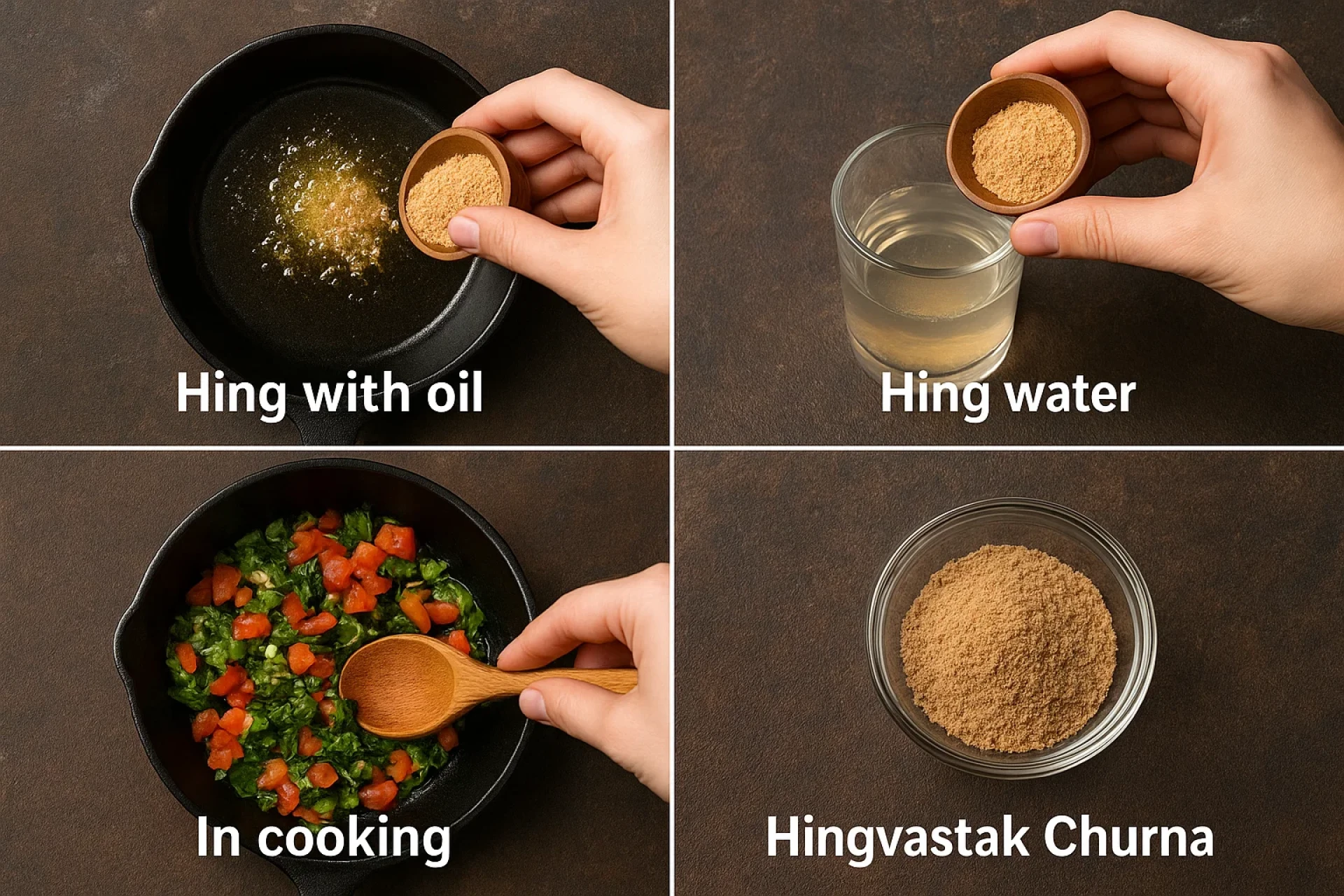
If you grew up in an Indian household, you probably remember the smell of hing (asafoetida) hitting hot oil before your dal, sabzi, or kadhi came to life. For me, that one pinch of hing was always the sign that dinner was about to be served.
Hing is one of those ingredients that seems small and unassuming, yet it transforms the entire dish with its unique aroma and depth. But here’s the catch: use it right, and it elevates your food. Use it wrong, and it can overpower everything on the plate.
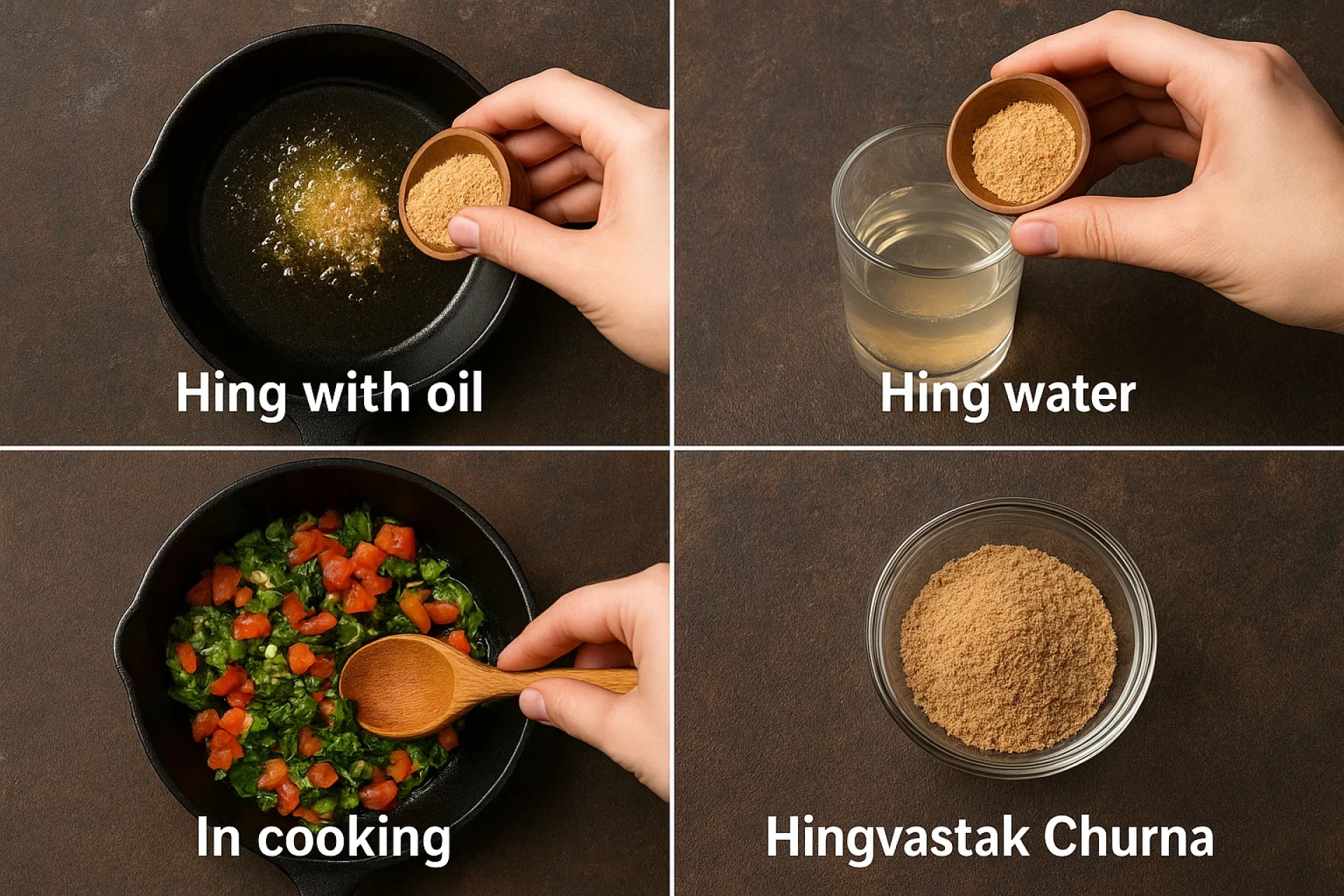
In this post, I’ll share practical tips and tricks to use hing in Indian cooking—things I’ve learned from my family kitchen, through trial and error, and even from a few mistakes that turned out to be delicious accidents. By the end, you’ll not only know how to use hing, but you’ll also start to appreciate its quiet magic in everyday cooking.
Why Hing Deserves a Spot in Your Kitchen
Hing is often described as pungent or strong, but don’t let that scare you. Its raw smell can feel sharp (some might even call it funky), but once it blooms in hot ghee or oil, it transforms into something earthy, savory, and umami-rich. Think of it as the Indian version of garlic-onion seasoning, only more concentrated.
Traditionally, hing was especially loved in Jain and Brahmin households where onions and garlic were avoided. But even if your cooking style includes those ingredients, hing adds a layer of depth that onions and garlic alone cannot replicate.
The Golden Rule: Temper It, Don’t Sprinkle It
Hing needs to be tempered.
That means:
- Heat a little ghee or oil.
- Add cumin, mustard seeds, or whatever whole spices you’re using.
- Just before the spices pop, add a tiny pinch of hing.
- Let it sizzle for 2–3 seconds.
- Pour this tempered mixture (tadka) into your dish.
This process takes away the harsh rawness and releases hing’s best flavor.
Pro tip: If you’re making dal fry or kadhi, always add hing while doing the tadka—not at the end. The aroma that fills your kitchen is unbeatable.
How Much Hing is Too Much?
Hing is powerful—just a pinch is enough for most dishes. Overdo it, and your food may taste bitter or medicinal.
To be safe, follow this rule:
- For 4 servings of dal or curry: 1/8 tsp hing powder is more than enough.
- For 2 servings of sabzi: a small pinch (literally between your thumb and index finger).
Always start with less—you can always add more next time if needed.
Pairing Hing with the Right Dishes
Here’s where most people miss out: hing doesn’t just belong in dal. When used smartly, it can uplift almost any Indian dish.
- Lentils (Dal, Sambhar, Rasam): Hing balances out the heaviness of dals, making them easier to digest.
- Curd-based dishes (Kadhi, Dahi Bhalla): Hing enhances the tanginess and cuts through the creaminess.
- Dry Sabzi (Aloo Gobhi, Bhindi, Tinda): A pinch of hing in the tadka makes even simple veggies shine.
- Pickles & Chutneys: Hing adds an earthy undertone that complements tangy or spicy flavors.
- Indian Snacks (Pakoras, Dhokla, Kachori): A dash in the batter makes all the difference.
Unexpected use: Try adding hing to your paratha dough along with ajwain (carom seeds). The flavor is subtle but so addictive that you won’t want to eat plain parathas again.
Hing + Ghee = Magic
One of the best ways to use hing is with ghee. The nutty richness of ghee mellows hing beautifully.
Quick trick: If you don’t want to prepare a full tadka every time, you can heat ghee, add hing, and store this as “hing ghee.” Just use a spoonful whenever you need instant flavor.
Hing for Digestion
Beyond taste, hing is famous for its digestive benefits. Whenever we had heavy meals—like rajma, chole, or pakoras—my grandmother would always remind us, “Don’t forget the hing in tadka, or you’ll regret it later.” She wasn’t wrong. Hing helps reduce bloating and flatulence, which is why it’s often used with dals and legumes.
Choosing the Right Hing
Not all hing is created equal. The quality can make or break your dish. Many brands dilute hing with flour or starch, so you end up needing more (and still don’t get the same aroma).
That’s why I recommend going for Chukde Hing. It’s natural, strong, and has that finest punch you want in Indian cooking. With Chukde, even a tiny pinch is enough to flavor the whole dish.
FAQs About Using Hing
1. Can I skip hing in recipes?
Yes, but you’ll notice the dish tastes “incomplete.” If you’re sensitive to its aroma, use a very tiny pinch instead of skipping it.
2. What’s the best substitute for hing?
There’s no exact replacement, but a mix of garlic and onion can give a similar depth. However, nothing matches hing’s unique flavor.
3. How should I store hing?
Keep it in an airtight container, away from moisture. Hing’s aroma is strong, so store it separately from other spices.
4. Why is hing used in Jain and Brahmin cooking?
Because onions and garlic were traditionally avoided, hing became the go-to spice for adding depth and aroma without breaking dietary rules.
Final Thoughts
Hing is one of those ingredients that might feel optional at first, but once you start using it properly, you’ll wonder how you ever cooked without it. Whether it’s the tadka for your dal, the seasoning in your sabzi, or the digestive edge in your heavy meals, hing is truly the unsung hero of Indian kitchens.
So next time you cook, don’t forget to give that tiny pinch of hing its moment to shine. And if you want to experience the authentic aroma, try Chukde Hing—it’s as close to the traditional flavor as it gets.