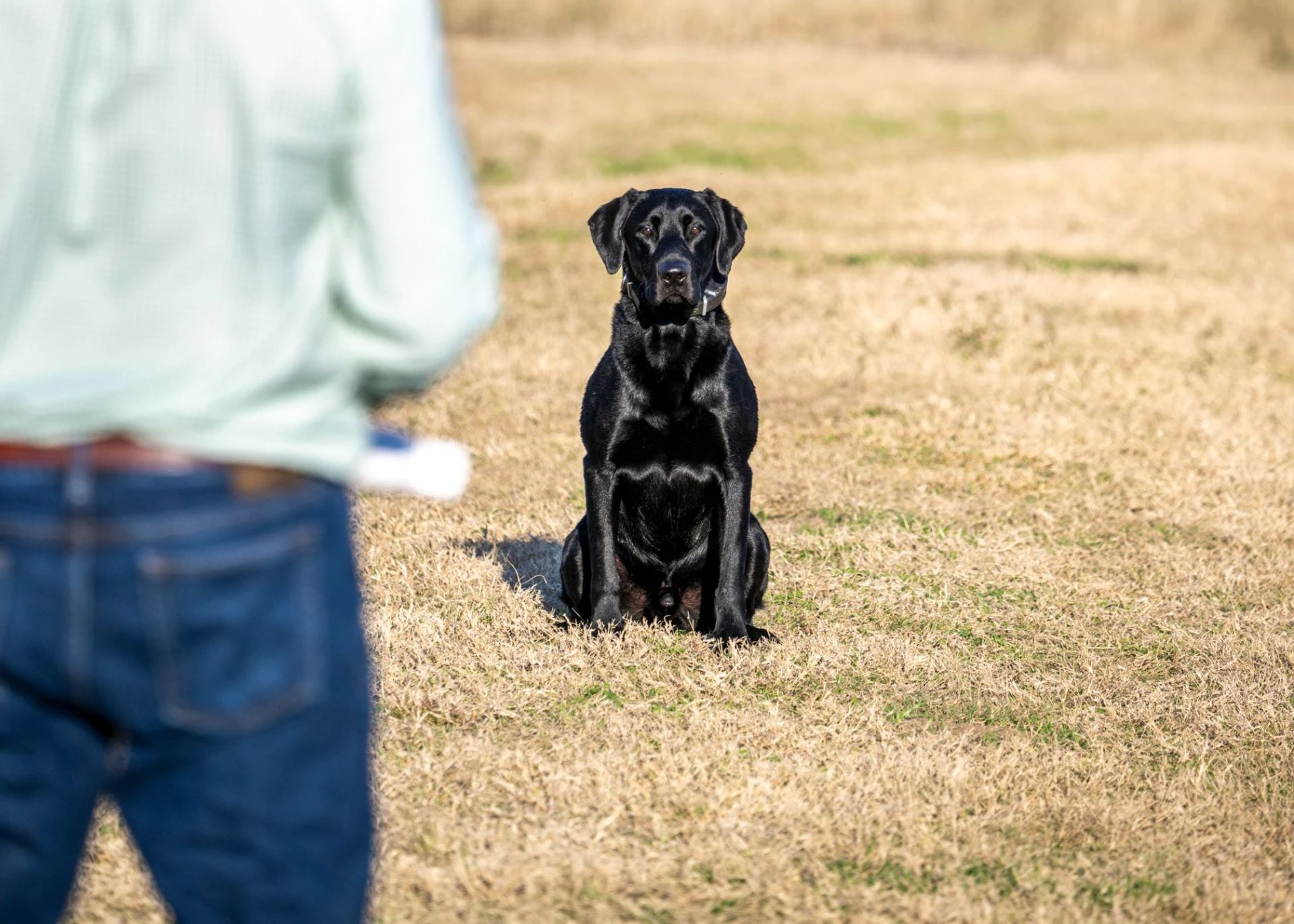
Training a duck dog is more than teaching a retrieve—it’s about developing a calm, confident, and reliable hunting companion. The Pat Nolan training philosophy focuses on structure, fairness, and clear communication, ensuring dogs perform consistently in real hunting conditions. Understanding how to train a duck dog properly helps avoid common mistakes and builds long-term success in the field.
Whether you’re starting young or refining advanced skills, effective retriever training blends obedience, marking ability, and mental discipline into one complete system.
Building a Strong Foundation for Duck Dog Training
The first step in learning how to train a duck dog is establishing a solid foundation. According to the Pat Nolan approach, obedience is not optional—it’s the backbone of all advanced work. Commands such as sit, here, and heel create control and safety during live hunts.
Early retriever training should focus on:
- Calm behavior around excitement
- Clear expectations and consistency
- Trust between dog and handler
Dogs that understand structure early develop confidence instead of confusion. This foundation allows the dog to stay steady in the blind, respond at distance, and remain composed under pressure.
Training Lab Puppies with Confidence and Clarity
When training lab puppies, patience is critical. Puppies are still learning how the world works, and early experiences shape future performance. The Pat Nolan philosophy emphasizes building desire first, then layering control over time.
Key goals when training lab puppies include:
- Encouraging natural retrieving instincts
- Exposure to different environments
- Short, positive training sessions
Avoid overtraining or harsh corrections at this stage. A puppy that enjoys retrieving will be easier to guide through formal hunting dog training later. Confidence developed early prevents hesitation and resistance as training advances.
Structured Retriever Training for Reliable Performance
As dogs mature, retriever training becomes more structured. This phase teaches dogs how to apply obedience in hunting scenarios. The focus shifts from enthusiasm to reliability without diminishing drive.
Core elements of effective retriever training include:
- Steadiness before retrieves
- Clean delivery to hand
- Remaining focused despite distractions
The Pat Nolan training system emphasizes repetition, consistency, and fairness. Dogs learn faster when expectations are clear and corrections are timely and appropriate. This balance produces retrievers that perform smoothly under real hunting pressure.
Developing Accuracy Through Retriever Marking Drills
Retriever marking drills are essential for improving memory and focus. These drills teach dogs to remember where birds fall and retrieve efficiently without unnecessary handling.
Effective retriever marking drills should:
- Progress from simple to complex
- Include varied terrain and distances
- Be adjusted based on the dog’s skill level
Rotating setups prevents pattern learning and keeps the dog mentally engaged. Strong marking ability reduces lost birds and improves overall performance during hunts.
E Collar Training Golden Retriever: The Pat Nolan Method
E collar training golden retriever programs must be handled with precision and care. Within the Pat Nolan approach, the e-collar is a communication tool—not a correction shortcut.
Responsible e collar training golden retriever practices include:
- Introducing the collar only after commands are understood
- Using the lowest effective stimulation
- Reinforcing known behaviors rather than teaching new ones
When used correctly, e collar training golden retriever techniques improve clarity and reliability, especially at distance, without harming trust or confidence.
Advanced Hunting Dog Training for Real-World Conditions
Advanced hunting dog training prepares retrievers for real hunting scenarios, not just training grounds. This includes blind retrieves, honoring other dogs, working from a blind, and remaining steady around gunfire.
The Pat Nolan philosophy emphasizes realistic setups so dogs are prepared when it counts. Dogs trained under hunting-like conditions adapt faster and perform more consistently during actual hunts.
Final Thoughts
Mastering how to train a duck dog requires commitment, patience, and proven methods. By following the Pat Nolan training philosophy and focusing on structured retriever training, consistent retriever marking drills, ethical e collar training golden retriever practices, and progressive hunting dog training, handlers can develop reliable, confident retrievers.