
The Psychology of Distance Learning
The glow of laptop screens has replaced classroom fluorescents for millions of students worldwide, creating an educational landscape where self-direction matters as much as subject mastery. Remote learning strips away the external structures that traditionally propelled students forward the professor's gaze during lectures, the peer pressure of visible participation, even the physical journey to campus that mentally prepared us for study. What remains is the raw challenge of self-motivation, a skill many never needed to develop so deliberately until now.
This new reality demands more than just time management tricks. Successful remote learners cultivate an internal drive that sustains them through technical glitches, household distractions, and the eerie silence of learning alone. They transform their homes into intentional learning spaces and their daily routines into rituals that signal focus time. Most importantly, they develop strategies to reconnect with their deeper purpose when motivation inevitably wanes because no notification ping can replace the power of genuine engagement.
The Grant Management Course Conundrum: A Case Study in Sustained Focus
Consider the experience of professionals tackling a grant management course remotely mastering dense regulatory material without the benefit of classroom discussion or immediate instructor feedback. The grant management course student faces unique motivational challenges: translating abstract compliance concepts into practical understanding, staying current with evolving Uniform Guidance requirements, and maintaining focus through what can feel like bureaucratic minutiae.
Successful learners approach their grant management course with strategies that transform obligation into engagement. They create real-world applications for each module, perhaps drafting mock grant budgets while studying cost principles or annotating sample RFPs during procurement lessons. Some form virtual study groups that meet via video to debate gray areas in federal regulations. Others develop personal case studies, applying concepts to their organization's actual programs making the coursework immediately relevant rather than hypothetical.
Architecting Your Cognitive Workspace
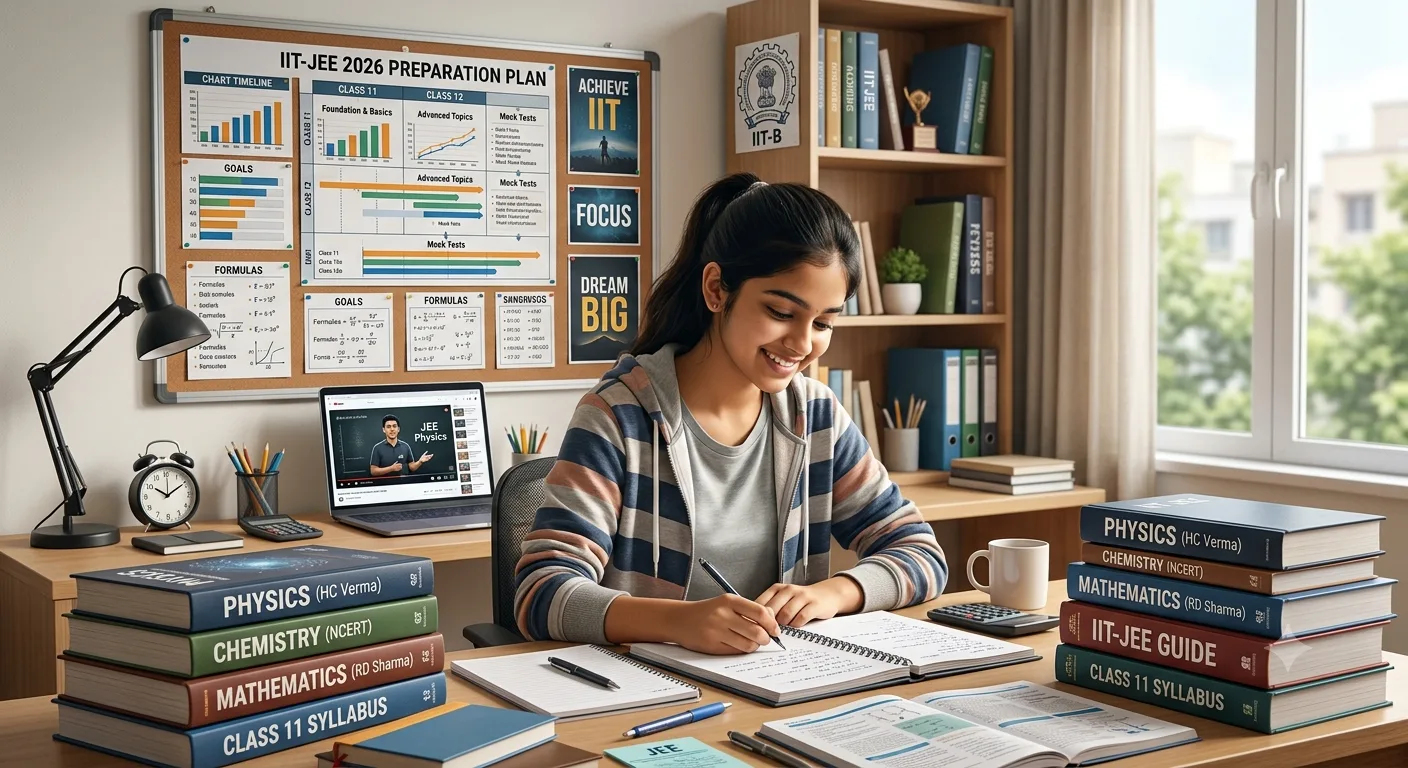
Physical environments shape mental performance in profound yet often unnoticed ways. Remote learners who thrive understand that recreating a "classroom mindset" at home requires deliberate environmental engineering. This goes beyond finding a quiet corner it's about crafting spaces that psychologically prime you for deep work through subtle sensory cues.
The most effective study spaces employ what psychologists call "context-dependent learning" associating specific environments with specific mental modes. A dedicated chair used only for studying, a particular lamp turned on during focus sessions, even a distinct playlist for learning hours all these cues train your brain to shift into concentration mode. The key lies in consistency: when these elements appear together repeatedly, they become triggers for focused states.
The Rhythm Method of Remote Learning
Human cognition operates in natural cycles of focus and rest that classroom schedules traditionally imposed artificially. Remote learners who try to maintain marathon study sessions often find their attention fraying, not realizing the problem isn't their discipline but their disregard for these biological rhythms.
Emerging research suggests the optimal study rhythm follows 90-minute "ultradian cycles" periods of intense focus followed by true mental breaks. Successful students structure their study blocks accordingly: 90 minutes reviewing grant management course materials with complete focus, then 20-30 minutes doing something physically and mentally different a walk, meditation, even household chores. This approach yields more retention than five hours of continuous half-focused effort.

Micro-Goals and the Progress Principle
Motivation flourishes on evidence of progress, yet remote learning often lacks the clear milestones of traditional education. This is where the practice of micro-goal setting transforms the experience breaking study sessions into small, achievable targets that provide constant reinforcement.
A student in a grant management course might set a morning goal to "master the three types of allowable costs with two concrete examples each" rather than the vague "study cost principles." Each micro-goal achieved releases dopamine the brain's reward chemical creating a virtuous cycle where accomplishment fuels further effort. The most successful learners also maintain "progress journals" where they record these small wins, creating tangible evidence of advancement during periods of doubt.
The Accountability Ecosystem
Classrooms provided built-in accountability through peer presence and instructor oversight. Remote learners must consciously reconstruct this ecosystem through alternative means. The most effective systems employ multiple layers: study partners for mutual check-ins, social media declarations of intent, even productivity apps that share progress with selected contacts.
For those in professional programs like a grant management course, integrating supervisors or colleagues creates powerful accountability. Sharing key learnings in staff meetings or offering to train others on new concepts ties study efforts directly to workplace value transforming abstract learning into career currency. Some learners even create "learning contracts" with themselves, specifying rewards for milestone achievements and consequences for procrastination.
Harnessing Technology Without Surrender
Digital tools simultaneously enable remote learning and threaten to derail it. The difference between distraction and productivity often lies in how intentionally these tools are deployed. Successful students approach technology like architects rather than consumers deliberately designing their digital environment to serve their goals.
This might mean installing website blockers during study hours, using separate browser profiles for learning versus leisure, or leveraging apps that convert idle scrolling into learning opportunities (like flashcards that appear during social media pauses). For grant management course students, it could involve setting up automated reminders to review key regulations at optimal intervals for retention.
The American Psychological Association's recent report on digital learning environments highlights how strategic technology use can enhance rather than undermine motivation. Their research demonstrates that learners who consciously structure their digital workflows show significantly higher persistence rates in remote education settings.
The Purpose Anchor
When all other motivational tactics fail, reconnecting with core purpose provides the ultimate reset. Remote learners who maintain vivid, specific visions of how their studies will create meaningful change weather motivation dips more resiliently. This goes beyond generic "career advancement" to concrete mental images: the community health program that will launch with grant management skills, the nonprofit that will stabilize through better compliance knowledge.
Successful students make these visions tangible creating vision boards with program photos, writing letters from their future selves, or keeping mission statements visible in their study space. For grant management course participants, this might involve posting pictures of the populations their future grant writing will serve, making abstract regulations feel personally significant.
Final Thoughts: The Self-Directed Learner's Advantage
The remote learning revolution demands more than just adapting to new delivery methods it requires fundamentally rethinking how we cultivate and sustain motivation without external structures. What begins as a challenge ultimately becomes an advantage: the self-directed learning skills developed through remote study transfer powerfully to professional and personal growth.
Students who master these techniques don't just complete their grant management course they emerge with enhanced capacity for independent initiative that serves them throughout their careers. They learn to recognize and work with their natural rhythms rather than fighting them, to create environments that support rather than undermine focus, and most importantly, to reconnect with their deeper why when the going gets tough.