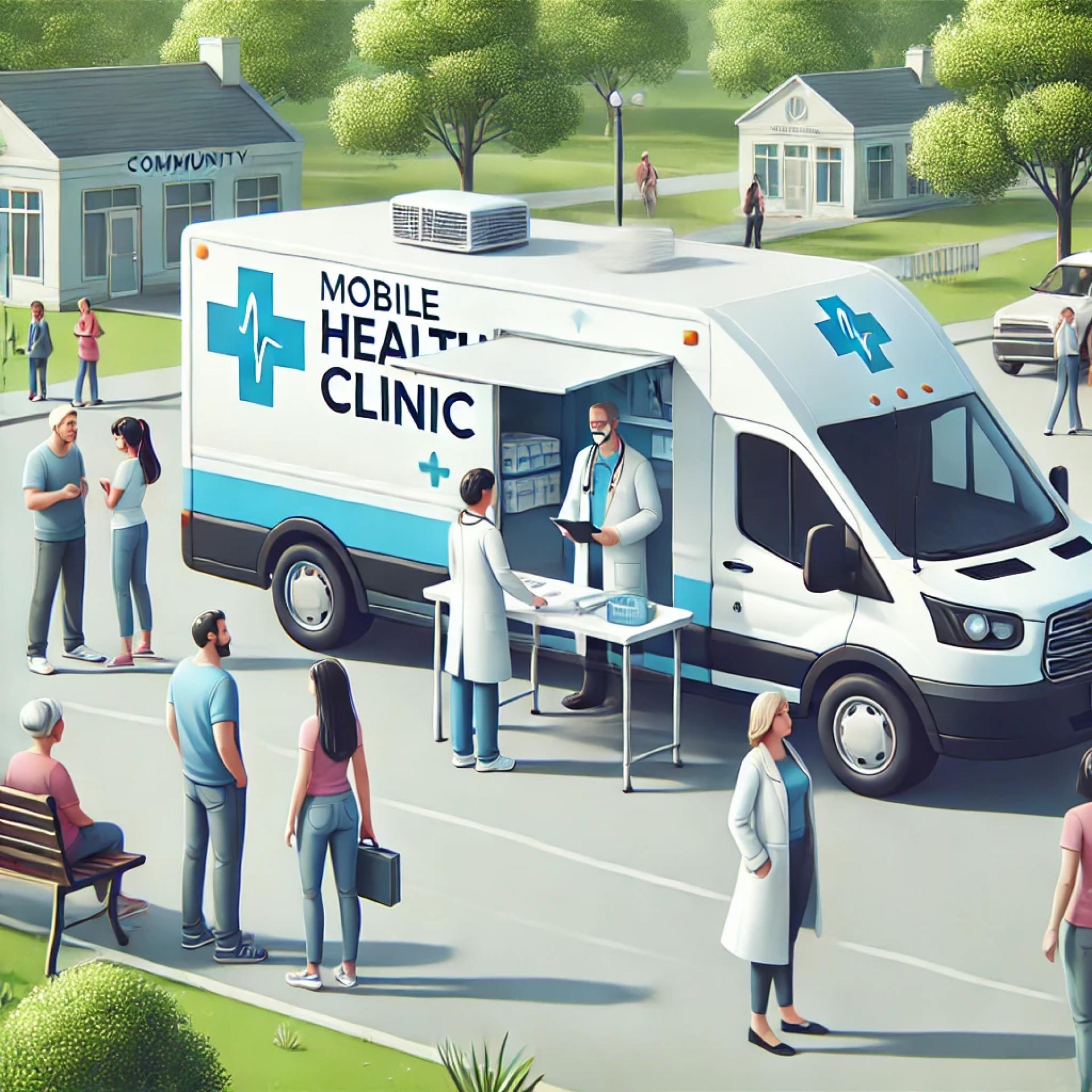
Embarking on a mobile health clinic venture in 2025 presents a dynamic opportunity to enhance healthcare accessibility while operating a cost-effective practice. These mobile units, often transformed from vehicles like vans or RVs, deliver a spectrum of services—including primary care, diagnostics, and wellness treatments—directly to diverse communities. With projections indicating that the U.S. mobile health clinic market will reach $2.5 billion by 2030, now is an opportune moment to establish your mobile practice.
10 Essential Steps to Launch a Mobile Health Clinic
Grasp the Mobile Health Clinic Framework
Definition: Mobile health clinics are transportable healthcare facilities that provide services directly within communities, catering to both urban and rural populations.
Services Offered: These clinics can administer a variety of healthcare services, from routine check-ups and immunizations to specialized care such as physical therapy and chiropractic services.
Advantages:
Flexibility: Ability to serve multiple locations lacking adequate healthcare facilities.
Accessibility: Eliminates transportation barriers for patients.
Cost Efficiency: Lower operational expenses compared to traditional clinics.
Define Your Business Concept
Target Demographic: Identify specific groups in need, such as low-income families, rural residents, seniors, or school-aged children.
Service Portfolio: Tailor your offerings to meet the distinct needs of your chosen demographic, ensuring relevance and demand.
Objectives: Set clear, measurable goals for patient outreach, service expansion, and community impact.
Craft a Detailed Business Plan
Market Analysis: Research local healthcare gaps and assess the demand for mobile services.
Financial Planning: Outline startup costs, ongoing expenses, and revenue projections to ensure financial viability.
Operational Strategy: Develop plans for daily operations, staffing, scheduling, and service delivery.
Secure Appropriate Funding
Funding Sources: Explore options such as grants, loans, partnerships, or crowdfunding to finance your clinic.
Budget Management: Allocate funds judiciously, prioritizing essential equipment, vehicle maintenance, and staffing needs.
Navigate Legal and Regulatory Requirements
Licensing: Obtain necessary medical and operational licenses, which may vary by state or region.
Compliance: Adhere to healthcare regulations, including patient privacy laws and medical waste disposal protocols.
Insurance: Secure appropriate insurance coverage for your vehicle, equipment, and professional liability.
Acquire and Outfit Your Mobile Unit
Vehicle Selection: Choose a vehicle that accommodates your service offerings and is suitable for the terrains you'll navigate.
Customization: Equip the vehicle with necessary medical equipment, technology, and patient comfort amenities.
Maintenance Plan: Establish a routine maintenance schedule to ensure reliability and safety.
Assemble a Competent Team
Staffing Needs: Depending on services, hire qualified professionals such as nurses, therapists, or administrative personnel.
Training: Provide comprehensive training on mobile clinic operations, patient interaction, and emergency protocols.
Safety Measures: Implement safety protocols for staff working in diverse and potentially unpredictable environments.
Implement Efficient Management Systems
Scheduling Software: Utilize tools to manage appointments, patient records, and route planning effectively.
Billing Solutions: Incorporate systems for processing payments, insurance claims, and financial record-keeping.
Patient Communication: Establish channels for appointment reminders, follow-ups, and feedback collection.
Promote Your Services
Community Engagement: Partner with local organizations, schools, and businesses to raise awareness.
Digital Presence: Develop a website and utilize social media platforms to reach a broader audience.
Educational Outreach: Offer workshops or informational sessions to educate the community about available services.
Evaluate and Adapt
Feedback Collection: Regularly seek input from patients and staff to identify areas for improvement.
Performance Metrics: Monitor key indicators such as patient satisfaction, service utilization rates, and financial health.
Continuous Improvement: Stay informed about industry trends and be willing to adjust services and operations accordingly.
Also Read: Essential Ethical Guidelines for Massage Therapists
Your Roadmap to a Thriving Mobile Health Clinic
Starting a mobile health clinic in 2025 is more than just launching a business—it’s about bridging gaps in healthcare and bringing essential services directly to those who need them most.
With careful planning, secure funding, and the right tools—such as Noterro GO—you can build a mobile practice that not only provides quality care but also creates lasting community impact. Every decision you make, from defining your mission to assembling a strong team and optimizing your operations, moves you one step closer to success.
Ready to Make a Difference?
The journey to transforming lives through mobile healthcare begins today. Take the first step and start building your vision now.