Homeowners in Issaquah can silence a noisy home theater by installing high-density wall insulation that fills wall cavities completely to block air movement and dampen vibrations. High-density spray foam or mineral wool works best because these materials add significant mass to the wall structure and create an airtight seal that prevents sound waves from traveling into adjacent rooms. By focusing on both the density of the material and the elimination of small gaps, residents can effectively contain loud movie audio and deep bass within the theater space. Investing in professional wall insulation in Issaquah, WA helps ensure these soundproofing materials are installed correctly for maximum acoustic performance and long-term energy efficiency.
This guide provides a detailed look at the methods and materials used to achieve professional-grade sound control in residential settings. Expert installers in the Pacific Northwest emphasize that successful soundproofing requires a combination of mass, absorption, and airtightness. This information is based on years of field experience in residential acoustics and building science.
The Science of Sound Control in Media Rooms
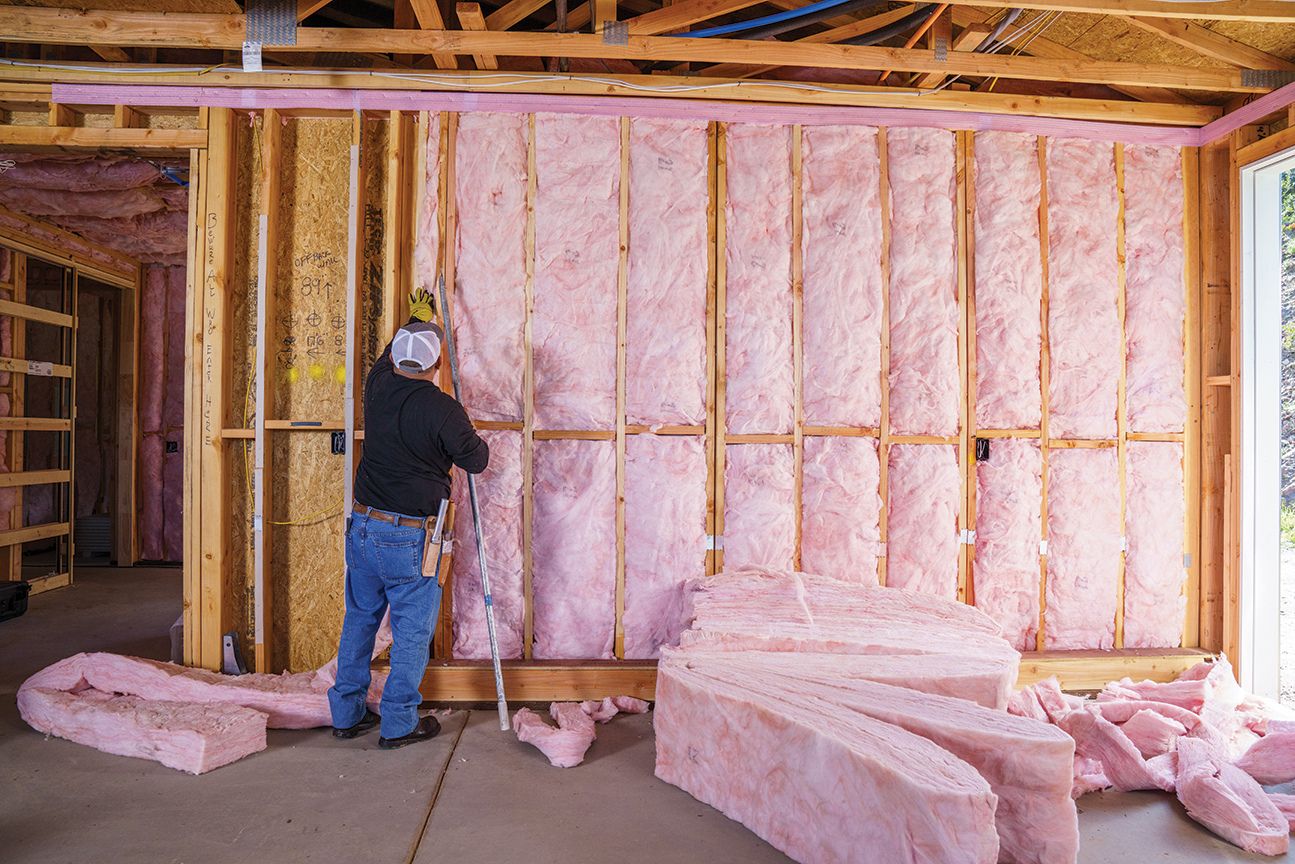
Sound travels in two ways: through the air and through the physical structure of the building. In a home theater, loud dialogue and music move as airborne sound, while heavy bass creates vibrations that travel through the wall studs and floor joists. Standard fiberglass batts often leave small gaps where sound can leak out, which is why high-density options are more effective.
When a professional team installs high-density insulation, they focus on increasing the Sound Transmission Class (STC) rating of the wall. This rating measures how well a partition blocks sound. A standard wall without insulation typically has an STC of about 30 to 34, a range that allows normal conversation to be heard clearly on the other side. High-density materials can push this rating above 50, making even loud music nearly inaudible in the next room.
Choosing the Right Insulation Materials
Different materials offer varying levels of performance for sound dampening. In Issaquah, homeowners often choose between spray foam, mineral wool, and specialized cellulose. Each has unique properties that affect how well they stop noise.
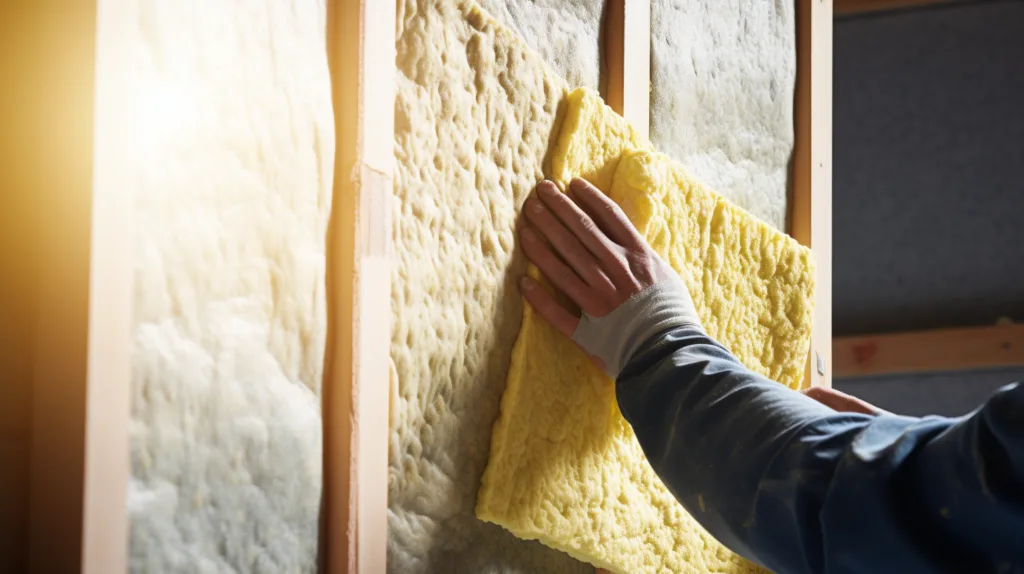
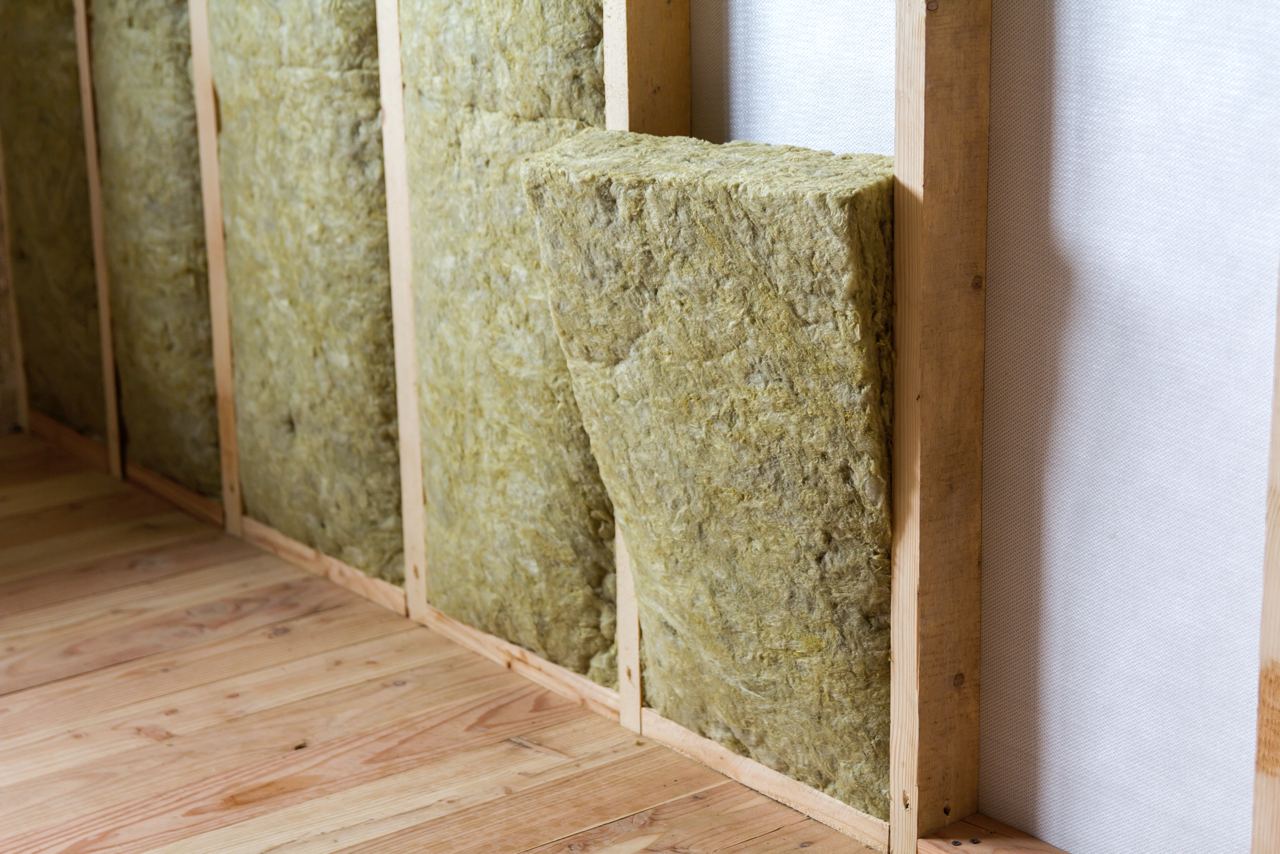
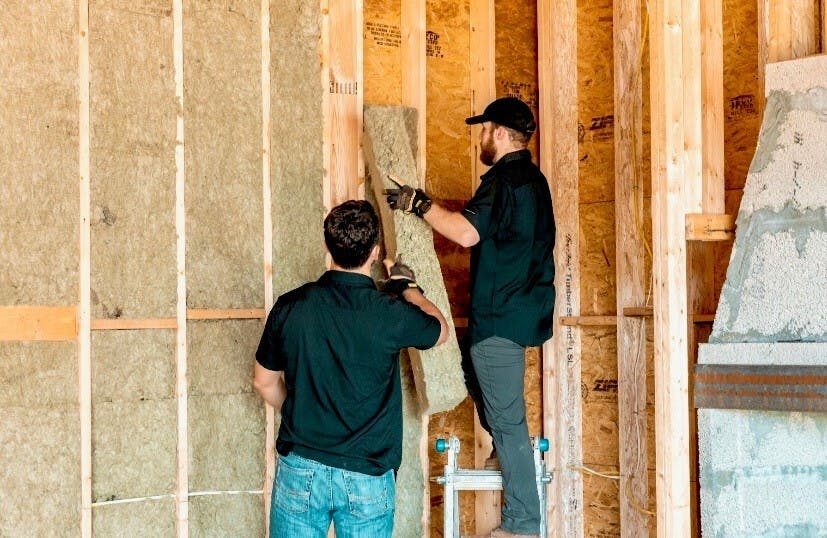
High-density spray foam is a popular choice because it expands to fill every corner of the wall cavity. This expansion creates a custom-fit barrier that stops air leaks. Since sound travels through air, an airtight room is naturally much quieter. Mineral wool is another strong contender because of its density and fire-resistant properties. It is much heavier than traditional fiberglass, which allows it to absorb more kinetic energy from sound waves. A professional wall insulation contractor can help determine the best material and installation method to achieve superior sound control, comfort, and energy efficiency.

Regional Considerations for Issaquah Homes
The local climate in Issaquah affects material selection. Because the Pacific Northwest experiences high humidity and frequent rainfall, moisture management is just as important as soundproofing. If a home theater is located in a basement or on an exterior wall, the insulation must also serve as a moisture barrier.
Closed-cell spray foam is an excellent choice for these areas. It provides a high density for sound control while also acting as a vapor retarder. This prevents damp air from reaching the wooden studs, which helps avoid mold and rot. Industry data shows that homeowners in King County often prefer multi-functional insulation that handles sound, heat, and moisture in one application.
Bonus Tip: When soundproofing an exterior wall in a rainy climate, always ensure the insulation material does not trap liquid water against the siding. A professional assessment helps determine the correct vapor profile for the specific location. Understanding these environmental variables prepares residents for the structural decisions that follow.
Things to Consider Before Making a Decision
Homeowners should evaluate several factors before starting a soundproofing project to ensure the results meet their expectations.
- Existing Wall Structure: If the drywall is already up, installers might use injection foam or add a second layer of drywall with a damping compound. If the walls are open, they have more options for high-density materials.
- The Source of the Noise: Is the goal to keep theater noise in, or to keep outside noise out? If the theater is near a busy road in Issaquah, the focus might be on the exterior walls and windows.
- Budget and Longevity: While standard batts are cheaper, high-density foam offers better long-term value by reducing energy bills and providing sound control for the life of the home.
- The Ceiling and Floor: Sound often travels around walls through the floor and ceiling. Insulating the floor joists above or below the theater is often necessary for complete silence.
Advanced Techniques for Total Silence
Beyond just filling the walls with dense material, other techniques help achieve a professional result. One method is decoupling, which involves separating the drywall from the wall studs using resilient channels or sound clips. This prevents vibrations from passing directly through the wood.
Another factor is the HVAC system. Sound can easily travel through metal air ducts and come out in other rooms. Using lined ductwork or creating baffles can stop the theater audio from using the ventilation system as a megaphone.
Bonus Tip: Pay attention to the door. Most residential doors are hollow and let sound through easily. Replacing a standard door with a solid-core wood door and adding a perimeter seal can make a larger difference than insulation alone.
Market Data and Local Trends
Market data indicates that residential soundproofing is a growing trend in the Seattle area. As more people work from home, the demand for quiet spaces has increased. Studies suggest that high-quality acoustic insulation can improve the resale value of a home by 3% to 5% because buyers value peace and privacy. Additionally, the building codes in Washington state are becoming stricter regarding energy efficiency. High-density spray foam helps homeowners meet these new energy standards while simultaneously providing the acoustic benefits they want for their media rooms.
Common Questions About Home Theater Soundproofing
Does spray foam or mineral wool work better for bass?
Mineral wool and high-density foam both work well, but bass is particularly difficult to stop because of its long wavelengths. The best results come from using high-density insulation combined with double-layered drywall. This adds the mass needed to stop low-frequency vibrations.
Can soundproofing be added without tearing down the walls?
There are methods for retrofitting existing spaces. Professionals can drill small holes and inject high-density foam into the cavities. While this is not always as perfect as insulating open walls, it significantly improves the STC rating without a full remodel.
Is high-density insulation safe for indoor air quality?
Modern insulation materials are designed to be safe for home use. Once spray foam has cured, it is inert and does not release harmful gases. High-density mineral wool is often made from recycled stone and contains no formaldehyde.
How long does the installation process take?
For a standard-sized home theater, a professional crew can typically complete the insulation process in one or two days. This includes prep work to protect the rest of the house and the final cleanup.
Making an Informed Decision
Silencing a home theater is a multi-step process that starts with choosing the right materials. For residents in Issaquah, high-density wall insulation remains an effective way to block noise and create an immersive cinema experience. By focusing on mass, airtightness, and regional climate needs, homeowners can ensure their theater doesn't disturb the rest of the family or the neighbors. Evaluating the room's current construction and identifying all potential sound leaks will lead to the best long-term outcome.
Professional Soundproofing Support
When looking for the best results, working with a specialized contractor is the most reliable path. They have the equipment to ensure every gap is filled and can recommend the right density for specific acoustic goals. For those in the Seattle area, Cascadia Spray Foam Insulation of Seattle offers expert guidance on high-density solutions for home theaters. They help homeowners select materials that balance sound control with energy efficiency and moisture protection. To learn more about their services or to schedule a consultation, they can be reached at (425) 386-3500 or by emailing [email protected]. Their team understands the unique needs of Pacific Northwest homes and provides professional installation that meets local building standards.