In many industrial processes, steam and fluid systems operate under high pressure to transport energy efficiently across long distances. However, most equipment and production processes require lower and stable pressure levels to function safely and efficiently. This is where pressure reducing stations play a crucial role. Choosing the Right Pressure Reducing Station is essential to ensure reliable system performance, equipment safety, and energy efficiency in industrial operations.
A properly selected pressure reducing station maintains the desired pressure level, protects downstream equipment from pressure fluctuations, and helps maintain consistent process conditions. Because every industrial application has unique requirements, selecting the correct station requires careful evaluation of multiple technical factors.
Understanding the Purpose of a Pressure Reducing Station
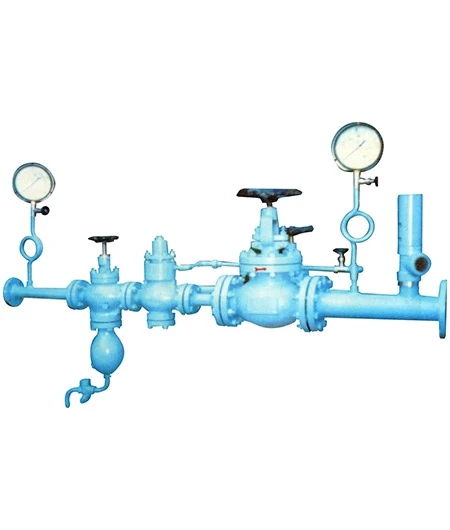
A pressure reducing station is a system designed to lower and control the pressure of steam, gas, or other fluids before they reach downstream equipment. These stations are commonly used in industries such as power generation, chemical processing, food and beverage manufacturing, pharmaceuticals, textiles, and refineries.
High-pressure steam or fluids are often generated at central boilers or supply systems. However, different parts of the plant require different pressure levels depending on the process. A pressure reducing station regulates this pressure to the required level while maintaining consistent flow and stability.
Selecting the Right Pressure Reducing Station ensures that the system operates smoothly, reduces the risk of equipment failure, and supports continuous production without unexpected interruptions.
Evaluate Inlet and Outlet Pressure Requirements
One of the most important steps in selecting a pressure reducing station is understanding the pressure conditions within the system. Engineers must carefully analyze both the inlet pressure and the required outlet pressure for the process.
The inlet pressure refers to the pressure of steam or fluid entering the station, while the outlet pressure is the controlled pressure that will be supplied to downstream equipment. If the pressure difference between these two values is very large, a single-stage pressure reduction may not be sufficient. In such cases, a multi-stage pressure reducing system may be required.
Choosing the Right Pressure Reducing Station with proper pressure handling capacity ensures safe operation and prevents sudden pressure drops or system instability.
Determine the Required Flow Capacity
Flow capacity is another critical factor that must be carefully evaluated. The pressure reducing station must be capable of handling the maximum flow demand of the process while also maintaining stable control during lower load conditions.
If the station is undersized, it may restrict flow and cause pressure instability, leading to operational inefficiencies. On the other hand, an oversized system may result in poor control accuracy and unnecessary energy losses.
Selecting the Right Pressure Reducing Station with appropriate flow capacity ensures smooth operation under varying production loads and prevents performance issues during peak demand.
Select the Appropriate Control Valve Type
The control valve is the central component of any pressure reducing station. It regulates the pressure by controlling the flow of steam or fluid passing through the system. The performance of the entire station largely depends on the correct selection of this valve.
Different types of control valves are used depending on the application requirements. Globe valves are commonly used for precise pressure control, while pilot-operated valves are suitable for applications requiring stable pressure regulation under varying loads. Self-operated valves may be used in simpler systems where external power sources are not required.
Choosing the proper valve configuration is essential when designing the Right Pressure Reducing Station, as it directly impacts system responsiveness, reliability, and long-term performance.
Include Essential Safety Components
Industrial pressure systems must include several safety components to protect both equipment and personnel. A pressure reducing station is not complete without these protective devices.
Typical safety components included in a pressure reducing station are:
- Safety relief valves to release excess pressure
- Strainers to remove debris and contaminants
- Pressure gauges for monitoring system performance
- Isolation valves for maintenance and system control
- Steam traps to remove condensate from the system
These components work together to prevent overpressure conditions and ensure safe operation. Incorporating these elements is a key step in designing the Right Pressure Reducing Station for industrial applications.
Consider System Stability and Pressure Control Accuracy
Maintaining stable pressure is critical for many industrial processes. Sudden pressure fluctuations can disrupt production processes, reduce product quality, or damage sensitive equipment.
A well-designed pressure reducing station ensures smooth pressure regulation even when system demand changes. This is particularly important in industries where precise pressure control is required, such as pharmaceutical manufacturing, food processing, and chemical production.
Selecting the Right Pressure Reducing Station with high control accuracy ensures consistent system performance and supports stable production conditions.
Evaluate Installation Requirements and Space Constraints
Industrial facilities often have limited space for installing equipment. Therefore, it is important to consider the physical size and layout of the pressure reducing station before final selection.
Engineers must ensure that the station fits within the available installation area and integrates properly with the existing piping system. Accessibility for maintenance and inspection should also be taken into account.
Choosing the Right Pressure Reducing Station with a compact and efficient design simplifies installation and improves long-term serviceability.
Focus on Energy Efficiency and System Performance
Energy efficiency is becoming increasingly important in modern industrial operations. Inefficient pressure control can lead to unnecessary steam losses and increased operational costs.
A properly designed pressure reducing station helps maintain optimal steam utilization by minimizing pressure drops and ensuring consistent flow conditions. Advanced control valves and optimized station design can significantly improve overall system efficiency.
By selecting the Right Pressure Reducing Station, industries can reduce energy consumption, improve process efficiency, and lower operating costs over time.
Review Maintenance and Reliability Factors
Maintenance requirements should also be considered when selecting a pressure reducing station. Equipment that is difficult to maintain may lead to increased downtime and higher service costs.
A well-designed station should allow easy access to key components such as control valves, strainers, and safety devices. It should also use durable materials that can withstand high temperatures and pressure conditions commonly found in industrial environments.
Selecting the Right Pressure Reducing Station with reliable components and easy maintenance features helps ensure long-term performance and reduces operational disruptions.
Conclusion
Choosing the Right Pressure Reducing Station is a critical decision for any industrial facility that relies on steam or fluid pressure control. By carefully evaluating pressure requirements, flow capacity, valve selection, safety components, installation conditions, energy efficiency, and maintenance needs, industries can ensure that their pressure reducing systems operate efficiently and safely.
A well-designed pressure reducing station not only protects downstream equipment but also enhances overall process stability and productivity. With proper system design and high-quality components, organizations can achieve reliable pressure control and long-term operational success with solutions offered by Vytal Controls.