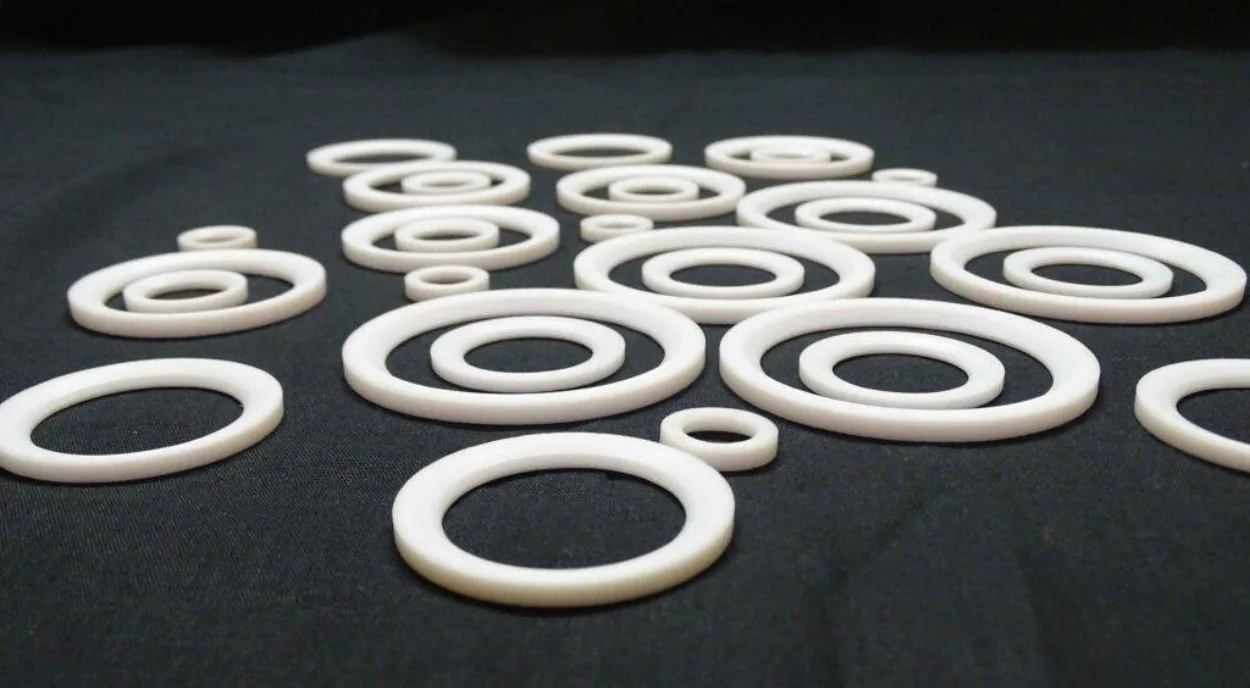
Choosing the right PTFE Valve Seats is essential for ensuring the efficiency, safety, and long life of your valve systems. Whether you are working in chemical processing, water treatment, oil and gas, or food industries, the performance of your valves depends heavily on the quality and suitability of the valve seats you select.
In this article, we will explain how to select the best PTFE Valve Seats in a simple and practical way.
What Are PTFE Valve Seats?
PTFE (Polytetrafluoroethylene) valve seats are sealing components used inside valves to control the flow of liquids or gases. They are known for their excellent chemical resistance, low friction, and high temperature tolerance. These properties make PTFE Valve Seats a popular choice across many industries.
Why Choosing the Right PTFE Valve Seats Matters
Selecting the wrong valve seat can lead to leakage, system failure, and increased maintenance costs. On the other hand, the right PTFE Valve Seats provide:
- Reliable sealing performance
- Longer service life
- Reduced downtime
- Better resistance to harsh chemicals
That’s why it is important to choose carefully based on your specific application.
Key Factors to Consider When Selecting PTFE Valve Seats
1. Understand Your Application Requirements
Start by identifying where and how the valve will be used. Consider:
- Type of fluid (chemical, gas, water, etc.)
- Operating pressure
- Temperature conditions
- Frequency of operation
For example, highly corrosive environments require high-grade PTFE Valve Seats with enhanced resistance.
2. Check Temperature Compatibility
PTFE is known for handling a wide temperature range, typically from -200°C to +260°C. However, not all PTFE Valve Seats perform the same under extreme conditions.
If your system operates at high temperatures, make sure the selected valve seats can maintain their structure and sealing ability without deformation.
3. Evaluate Pressure Ratings
Different valves operate under different pressure levels. Always match the PTFE Valve Seats with the pressure rating of your system.
High-pressure applications may require reinforced or filled PTFE materials (like glass-filled or carbon-filled PTFE) to ensure durability and strength.
4. Consider Chemical Compatibility
One of the biggest advantages of PTFE Valve Seats is their resistance to chemicals. However, it is still important to check compatibility with specific substances.
Make sure the material can withstand exposure to acids, solvents, or other aggressive chemicals used in your process.
5. Choose the Right Type of PTFE
PTFE Valve Seats come in different variants, such as:
- Virgin PTFE
- Glass-filled PTFE
- Carbon-filled PTFE
- Bronze-filled PTFE
Each type has unique properties. For example:
- Virgin PTFE offers excellent purity and chemical resistance
- Filled PTFE provides better strength and wear resistance
Selecting the right type depends on your operational needs.
6. Focus on Wear and Tear Resistance
In applications where valves are used frequently, wear resistance becomes important. Continuous opening and closing can cause damage over time.
High-quality PTFE Valve Seats reduce friction and wear, ensuring smooth operation and longer life.
7. Ensure Proper Fit and Design
Even the best material won’t perform well if the size and design are not correct. Always ensure that the PTFE Valve Seats:
- Fit perfectly within the valve
- Match the valve design
- Provide proper sealing without gaps
Custom-designed valve seats are often a better choice for specific applications.
8. Check Manufacturer Quality
The quality of PTFE Valve Seats depends greatly on the manufacturer. Always choose a trusted supplier who follows strict quality standards.
For example, brands like Goa Polymer are known for providing reliable and high-performance PTFE components. Working with an experienced manufacturer ensures consistency, precision, and long-term performance.
Common Mistakes to Avoid
When selecting PTFE Valve Seats, avoid these common mistakes:
- Ignoring temperature and pressure limits
- Choosing low-quality materials to save cost
- Not checking chemical compatibility
- Using standard sizes where custom solutions are needed
These mistakes can lead to poor performance and increased maintenance costs.
Benefits of High-Quality PTFE Valve Seats
When you choose the right PTFE Valve Seats, you get several advantages:
- Excellent sealing performance
- Resistance to corrosion and chemicals
- Low maintenance requirements
- Long service life
- Smooth valve operation
This ultimately improves the overall efficiency of your system.
Final Thoughts
Selecting the best PTFE Valve Seats for valves is not just about picking a standard product. It requires a clear understanding of your application, operating conditions, and material properties.
By considering factors like temperature, pressure, chemical compatibility, and material type, you can make a smart and long-lasting choice. Partnering with a trusted brand like Goa Polymer further ensures that you get high-quality products designed for reliable performance.
In the end, the right PTFE Valve Seats will not only protect your system but also save time, cost, and effort in the long run.