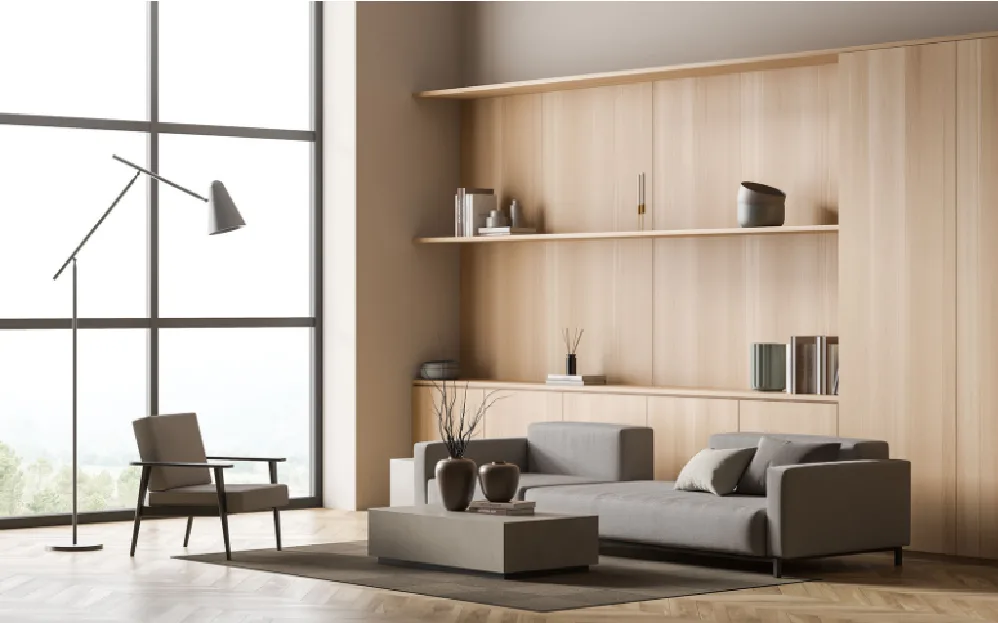
Choosing the right plywood for furniture can feel overwhelming when faced with multiple grades, thicknesses, and moisture-resistance claims at every supplier. Whether you're building custom wardrobes, kitchen cabinets, or living room storage, the quality of plywood sheets you select directly impacts how your furniture looks, performs, and lasts over time. The best ply for furniture is not determined by plywood sheet price alone, nor by brand reputation. It depends on understanding how different plywood types align with specific furniture applications, room conditions, and overall plyboard design requirements. This guide walks you through the key factors that matter most, helping you make informed decisions that balance quality, durability, and budget for furniture built to last.
Start With the Purpose of the Furniture
Before selecting materials, it’s important to clearly define what the furniture is expected to do. Furniture that carries weight daily, such as wardrobes or storage units, places different demands on plywood sheets than pieces designed mainly for light or occasional use. Frequency of use, load-bearing needs, and whether the furniture is fixed or movable all influence how it should perform over time. Starting with purpose helps narrow choices logically and avoids over- or under-specifying materials, making it easier to arrive at the best ply for furniture based on function rather than assumption.
Match the Plywood Type to the Furniture
Furniture performs best when the plywood sheets selected are suited to the conditions in which the furniture will be used. Different plywood types are designed for different interior environments, and understanding these distinctions helps avoid both under- and over-specifying materials for furniture applications.
- Structural-grade plywood: Used for furniture that requires higher strength and load-bearing capability, such as large storage units, wardrobes, workstations, and other furniture designed for demanding use.
- MR plywood: Commonly used for interior furniture placed in dry or controlled environments, such as wardrobes, beds, cabinets, and storage units, where everyday use does not involve regular moisture exposure.
- BWR plywood: Selected for furniture used in areas with higher humidity or occasional water exposure, such as kitchen cabinetry and utility storage.
- BWP or marine-grade plywood: Used where furniture is exposed to frequent or prolonged moisture, making it suitable for more demanding conditions rather than general interior furniture use.
- Fire-retardant plywood: Selected for furniture used in environments where enhanced fire safety is a consideration, such as offices, hotels, educational institutions, healthcare facilities, and other commercial interiors.
- Decorative or laminated plywood: Chosen where surface finish and visual consistency are priorities, supporting modern plyboard design requirements in modular or design-led furniture.
Choose the Right Plywood Thickness for Furniture Stability
Furniture stability depends on selecting a plywood thickness that suits how the piece is built and used, rather than defaulting to thicker panels as a precaution.
- Load and usage demands: Furniture that supports weight or sees frequent use requires a plywood thickness that can handle stress without bending or sagging over time.
- Panel span and structural support: Larger panels or wider spans need sufficient thickness to remain stable, while well-supported designs can perform effectively with thinner plywood sheets.
- Balance between strength and practicality: Choosing thickness based on application helps maintain durability without adding unnecessary weight or complicating fabrication.
Evaluate Core Construction and Internal Build Quality
Since internal construction isn’t always visible at first glance, evaluating plywood sheets for furniture requires paying attention to a few practical, observable indicators.
- Check edge consistency: Examine the exposed edges of the plywood sheets. Uniform layers without visible gaps or overlaps usually indicate better core construction and controlled manufacturing.
- Assess layer bonding: Apply light pressure along the surface and edges. Poor bonding may show up as unevenness or separation, which can affect long-term durability.
- Test screw-holding performance: Ask how the plywood performs with screws and fittings, as strong internal build quality supports secure joints and stable furniture assembly.
- Observe overall panel stability: Well-made panels remain flat and balanced, reducing the risk of movement or distortion during everyday furniture use.
Consider Surface Quality and Plyboard Design Needs
Choosing the best ply for furniture also depends on how well the surface supports finishing and detailing, especially in visible areas. A consistent, even surface allows laminates and veneers to bond uniformly, reducing the risk of bubbles, uneven edges, or finish defects over time. For painted furniture, surface smoothness directly affects how clean and durable the final coat appears. In contemporary furniture, where clean lines and minimal detailing are central to plyboard design, surface quality plays a critical role in maintaining visual consistency across panels and joints. Evaluating surface finish at this stage helps ensure the furniture meets both functional and visual expectations.
Check Certifications and Indoor Safety Standards
Certifications provide a reliable way to assess whether plywood is suitable for indoor furniture use. For example, when selecting MR plywood for interior furniture, checking for ISI certification helps confirm that the board meets defined manufacturing and quality benchmarks. Emission standards such as E0 and E1 are also important, as they indicate controlled formaldehyde levels and support healthier indoor air quality. These certifications do not guarantee performance on their own, but they offer reassurance that the plywood has been produced under recognised standards and is appropriate for regular indoor furniture applications. Reputable plywood manufacturers in India typically display these certifications clearly, making it easier to verify compliance and material suitability before purchase.
Balance Performance With Plywood Sheet Price
When comparing plywood sheets for furniture projects, price differences often reflect meaningful variations in construction quality, core composition, and moisture resistance rather than just brand positioning. Plywood sheet price can vary significantly even within the same thickness and grade, which makes it important to understand what drives these differences before assuming that the cheapest or most expensive option is the right choice.
For instance, paying a premium for marine-grade plywood in a climate-controlled bedroom offers little benefit, while using MR plywood for kitchen cabinets or other moisture-exposed furniture often leads to early warping or delamination. Judging value in this way helps buyers avoid both over- and under-specifying materials. In practical terms, the best ply for furniture is the one that aligns with the furniture's location, expected lifespan, finishing needs, and level of everyday use, delivering reliable performance without unnecessary spend. When evaluating options, choosing from the best plywood in India often means prioritising manufacturers known for consistent quality control and transparent specifications rather than relying solely on marketing claims.
Make a Confident, Informed Plywood Choice
Quality furniture begins with understanding what different plywood sheets are designed to handle and ensuring those capabilities align with how and where the furniture will be used. Working with a transparent plywood manufacturer who provides clear specifications, maintains consistent quality, and supports their claims through recognised certifications makes the selection process more straightforward. When plywood choices are guided by furniture purpose, interior conditions, and realistic performance needs rather than assumptions or price alone, identifying solutions that offer genuine value becomes easier.