
Houston is widely recognized as the industrial powerhouse of the United States. From the sprawling refineries of the Ship Channel to the heavy manufacturing plants and the high-tech energy corridors, the city’s economic engine runs on high-stakes machinery. In such a high-intensity environment, the importance of a robust Lockout Tagout program cannot be overstated. For safety managers in the Space City, compliance with OSHA 29 CFR 1910.147 is the baseline for ensuring that workers return home safely every day.
Selecting the right LOTO devices is a technical process that requires balancing regulatory mandates with the specific environmental challenges. Here is how to ensure your facility remains compliant and your workforce remains protected.
The Four Pillars of OSHA Compliance:
OSHA does not provide a list of "approved brands," but it does dictate strict performance criteria for every device used in an energy control program. To be compliant, every padlock, hasp, and valve cover must meet these four requirements:
- Durable: Devices must be capable of withstanding the environment to which they are exposed. In Houston, this means accounting for extreme heat, high humidity, and potential chemical exposure.
- Standardized: Within a single facility, LOTO equipment must be uniform in terms of color, shape, or size. This ensures that any employee, regardless of their department, can instantly recognize a lockout in progress.
- Substantial: The device must be robust enough to prevent accidental removal. It should require excessive force or specialized tools, such as bolt cutters, to be forcibly removed.
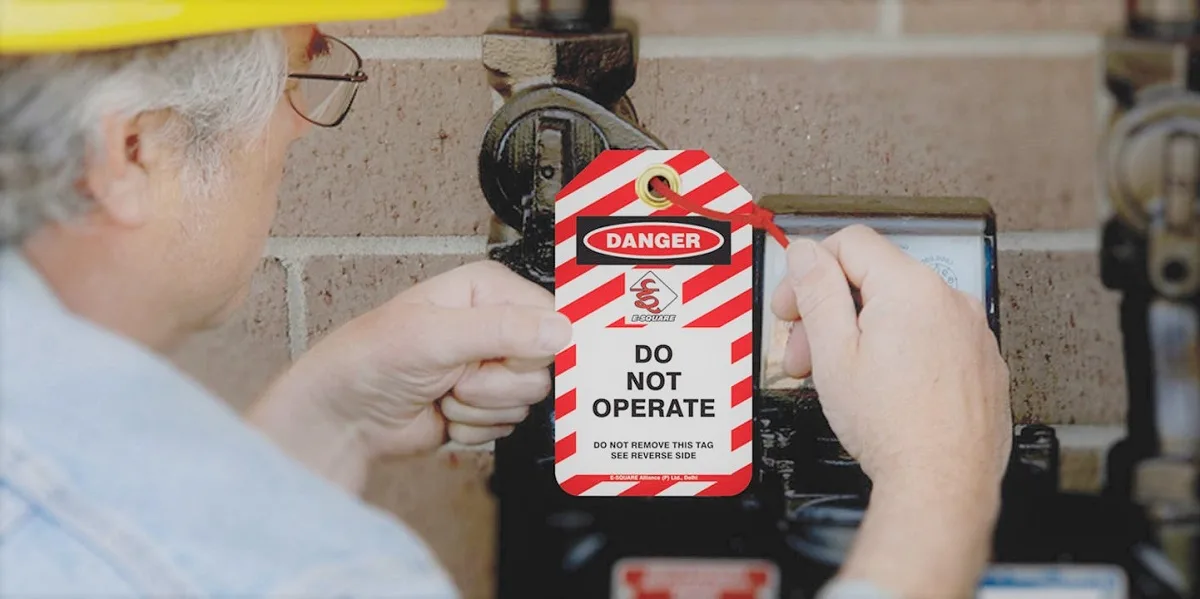
- Identifiable: Every lockout device must clearly indicate the identity of the authorized employee who applied it. This is typically achieved through high-visibility, weather-resistant tags.
Accounting for the Houston Environment:
When selecting device for a Houston-based facility, "durability" takes on a specific meaning. The Texas Gulf Coast presents unique challenges that can degrade inferior safety equipment.
Corrosion Resistance: Coastal air and high humidity can lead to rapid oxidation of standard steel components. For outdoor installations or offshore applications, non-corrosive materials like thermoplastics, brass, or stainless steel are essential for maintaining the integrity of padlocks and hasps.
Temperature Stability: With summer temperatures frequently climbing into the triple digits, LOTO devices - especially plastic valve covers and cable lockouts - must be UV-stable and rated for high-temperature environments to prevent warping or becoming brittle.
Matching Devices to Energy Sources:
A comprehensive LOTO program requires a "utility-first" approach to equipment selection. Your inventory should reflect the specific types of hazardous energy present in your operations.
- Electrical Isolation: Houston’s manufacturing sector relies heavily on complex electrical panels. Essential tools include circuit breaker lockouts (clamp-on and pin-style) and electrical plug covers. These devices must be non-conductive to prevent secondary arc flash hazards during application.
- Mechanical and Fluid Control: For the petrochemical and oil and gas sectors, valve lockout devices are the priority. This includes gate valve covers that enclose the handwheel and ball valve lockouts that secure the lever in the "off" position.
- The "Universal" Solution: Adjustable cable lockouts are particularly effective for securing oddly shaped energy points or multiple valves with a single device, providing the versatility needed for Houston’s often-customized industrial machinery.
Implementing Group Lockout Procedures:
Given the scale of many Houston facilities, maintenance often involves large, multi-disciplinary teams. In these cases, individual lockouts are insufficient. Group Lock Boxes and High-Visibility Hasps are critical. These tools ensure that an energy source cannot be re-energized until every single technician - from the lead electrician to the third-party contractor - has personally removed their lock from the system.
Conclusion
In a city built on industrial excellence, safety is the ultimate competitive advantage. Selecting OSHA-compliant LOTO devices is not just about avoiding citations; it is about building a culture of reliability. By choosing equipment that meets OSHA’s "Big Four" criteria while accounting for Houston’s unique environmental stressors, safety managers can create a fail-safe environment.
In the end, the right LOTO device is the most reliable barrier between a routine maintenance task and a life-altering accident.