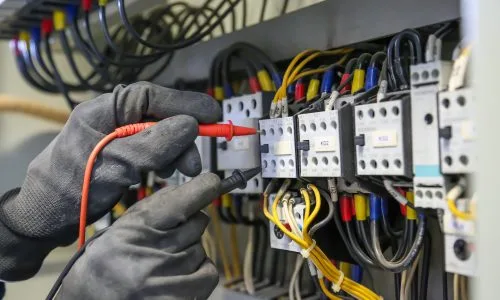

In modern homes and industries, electrical systems form the backbone of everyday functionality, making the selection of reliable components extremely important. Choosing the right parts ensures not only safety but also long-term efficiency and reduced maintenance costs. When working with an Electrical Products Manufacturer in India, it becomes even more important to understand what defines high-quality products. Poor-quality components can lead to frequent breakdowns, energy loss, and even safety hazards, while well-designed ones improve performance and offer lasting value. Whether you are upgrading a residential setup or planning a large installation, informed decision-making is key to achieving durability and energy efficiency. This guide explores the essential factors to consider when selecting electrical components for long-term performance.
Understanding Quality and Durability Factors
Durability of electrical components is mainly determined by their construction and performance under different load conditions. High-quality components are designed to withstand heat, voltage fluctuations, and continuous usage without degrading quickly. Insulation quality is another important factor, as it prevents short circuits and enhances safety. Additionally, components with strong internal structures and corrosion-resistant materials tend to last longer in both residential and industrial environments. It is also important to consider how the product behaves under stress, as consistent performance under heavy load is a key indicator of reliability. Selecting components with proven durability reduces replacements and improves system stability over time.
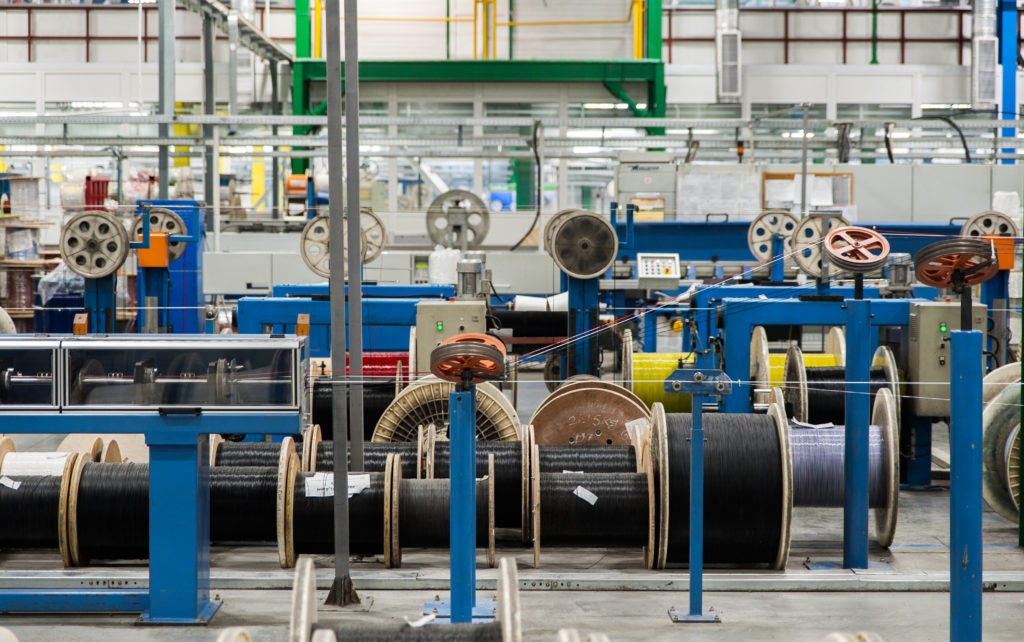
Evaluating Efficiency and Safety Standards
Efficiency plays a crucial role in reducing energy consumption and improving overall system performance. Energy-efficient electrical components help minimize power loss and maintain a stable output even during peak usage. Safety standards are equally important, as they ensure that the products meet essential regulatory requirements for safe operation. Always look for components that comply with recognized safety benchmarks and testing procedures. These standards help reduce risks such as overheating, electrical leakage, and sudden failures. A well-balanced combination of efficiency and safety ensures the electrical system operates smoothly while keeping energy use under control, making it suitable for long-term applications in both homes and industries.
Materials and Certifications
The materials used in electrical components significantly impact their reliability and lifespan. High-grade copper, heat-resistant plastics, and strong insulating materials contribute to better performance and durability. Products made with inferior materials may degrade quickly, leading to inefficiency and potential hazards. Certifications also play an important role in ensuring quality. Certified products are tested for performance, safety, and compliance with industry standards, giving users confidence in their reliability. Always prioritize components with recognized certifications, as they indicate the product has passed rigorous quality checks and is suitable for long-term use in demanding environments.

Maintenance and Long-Term Performance Tips
Proper maintenance is essential to ensure that electrical components continue to perform efficiently over time. Regular inspection of connections, wiring, and load conditions helps identify issues before they become serious problems. Keeping components clean and free from dust also improves performance and reduces the risk of overheating. It is advisable to avoid overloading circuits, as this can shorten the lifespan of even high-quality products. Periodic servicing and timely replacement of worn-out parts can significantly enhance system reliability. With the right care and attention, electrical systems can deliver consistent performance and long-lasting efficiency.
Check Out:- How Professional Supply Partners Improve Efficiency and Safety in Electrical Infrastructure Projects
Conclusion
Selecting durable and efficient electrical components requires careful attention to quality, materials, efficiency, and safety standards. By making informed choices, users can ensure better performance, reduced maintenance costs, and improved system reliability over time. Proper upkeep further extends the lifespan of the entire electrical setup. Trusted providers like Home Electric play an important role in delivering dependable solutions that meet modern performance needs, helping users achieve safe, efficient electrical systems for the long term.