
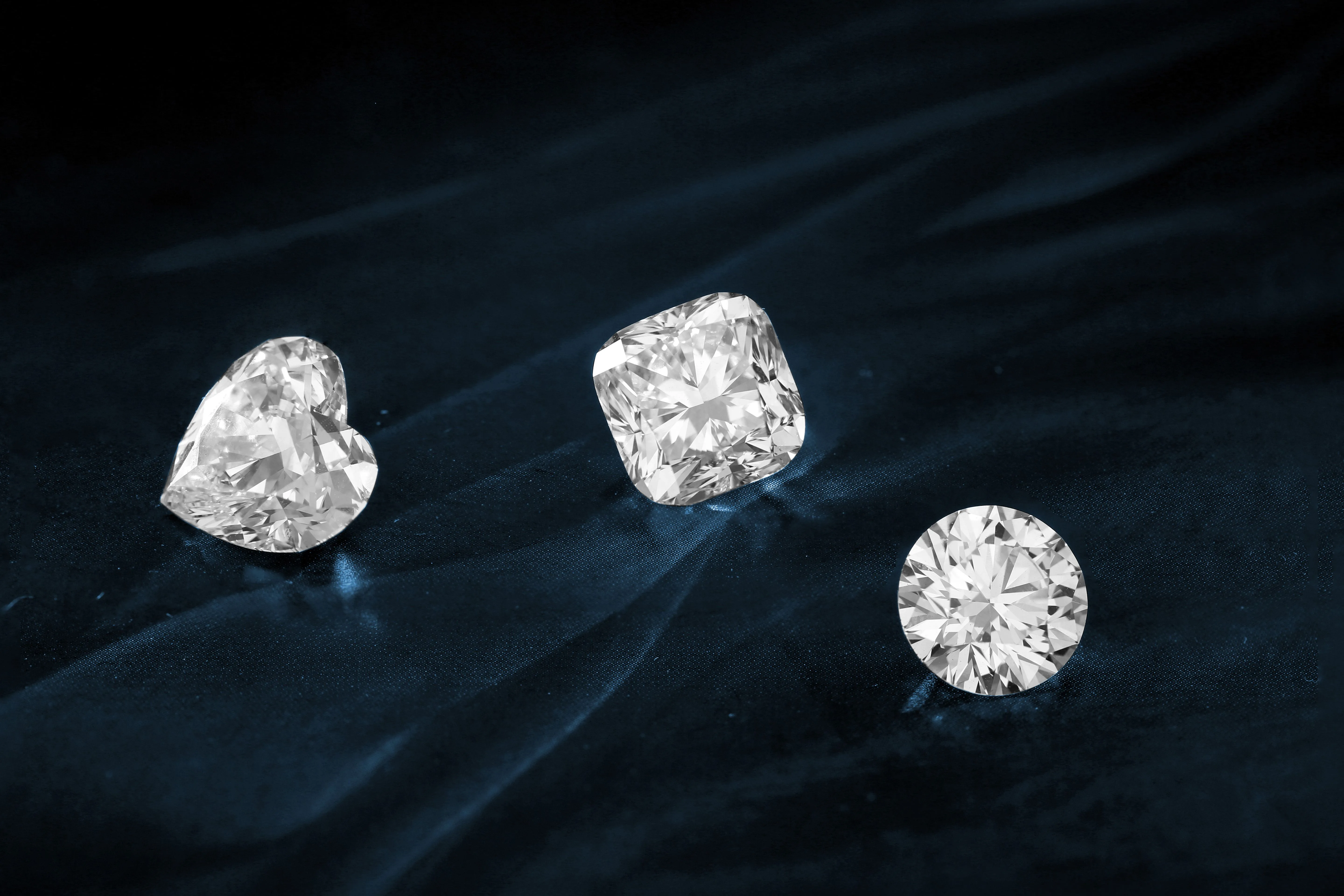
Buying a diamond is a major decision, whether you are selecting a stone for an engagement ring, a wedding band, or a piece of fine jewelry. With thousands of options available online and in jewelry stores, knowing how to search diamonds effectively can make the buying process easier, clearer, and more rewarding.
A diamond may look beautiful at first glance, but several factors determine its overall quality, appearance, and value. Learning how to compare these details helps buyers move beyond marketing terms and focus on the characteristics that truly matter.
Start With a Clear Diamond Buying Goal
Before you begin to search diamonds, decide what you are looking for. Your ideal diamond will depend on the type of jewelry you want to create, your preferred shape, and your available budget.
For example, someone choosing a diamond for a solitaire engagement ring may prioritize size and visual brilliance. Another buyer may prefer a smaller diamond with higher color and clarity grades.
Consider these questions before starting your search:
- What diamond shape do you prefer?
- What is your approximate budget?
- Do you want a natural or lab-grown diamond?
- What ring or jewelry setting will hold the diamond?
- Which quality factors matter most to you?
Having clear answers helps narrow the available options and prevents you from spending time reviewing diamonds that do not match your needs.
Understand the Four Main Diamond Quality Factors
One of the most important steps when you search diamonds is understanding the 4Cs: cut, color, clarity, and carat weight. These characteristics are widely used to evaluate diamonds and can help buyers compare stones more accurately.
Diamond Cut
Cut plays a major role in how a diamond interacts with light. A well-cut diamond can appear bright, lively, and brilliant. Cut quality should not be confused with diamond shape. Round, oval, pear, and cushion are examples of shapes, while cut refers to how well the diamond has been proportioned and finished.
When comparing diamonds, look beyond size alone. A smaller diamond with strong cut quality may create a more attractive visual appearance than a larger stone with poor proportions.
Diamond Color
Diamond color generally refers to the presence or absence of noticeable color in a white diamond. Many buyers prefer diamonds that appear white in their chosen setting.
However, the highest color grade is not always necessary for every purchase. The metal color of the jewelry and the diamond shape can influence how noticeable color appears.
For example, a diamond set in yellow or rose gold may allow greater flexibility in color selection than one placed in a white metal setting.
Diamond Clarity
Clarity describes internal characteristics, known as inclusions, and surface characteristics, called blemishes. These features vary from one diamond to another.
A higher clarity grade does not automatically mean a diamond will look better to the naked eye. In many cases, buyers can find diamonds with characteristics that are difficult to notice without magnification.
The goal is often to find a balance between clarity, appearance, and budget.
Carat Weight
Carat weight measures the weight of a diamond, not its visible size alone. Two diamonds with the same carat weight can appear different in size depending on their shape and proportions.
This is why buyers should compare measurements along with carat weight. A diamond's length, width, and overall spread can affect how large it appears when set in jewelry.
Use Diamond Filters to Narrow Your Search
Searching through hundreds or thousands of diamonds without filters can quickly become overwhelming. Online diamond search tools allow buyers to narrow options based on specific preferences.
Useful filters often include:
- Diamond shape
- Carat weight
- Cut grade
- Color grade
- Clarity grade
- Price range
- Certification or grading report
- Natural or lab-grown origin
Start with broader ranges rather than selecting extremely narrow requirements. This allows you to compare different combinations and understand how changes in one quality factor may affect price and appearance.
For instance, adjusting clarity or color slightly may provide additional budget flexibility without necessarily changing the overall visual appeal of the diamond.
Compare Similar Diamonds Before Making a Decision
A single diamond listing does not provide enough context to determine whether it is the right choice. A better approach is to compare several diamonds with similar characteristics.
When you search diamonds, create a shortlist and review factors side by side. Pay attention to the relationship between price, quality grades, measurements, and overall appearance.
A practical comparison may include:
- Comparing diamonds within a similar carat range.
- Reviewing different cut or proportion qualities.
- Checking whether clarity characteristics are visible.
- Comparing dimensions rather than carat weight alone.
- Reviewing grading information.
- Considering how the diamond will look in its final setting.
This process helps you identify meaningful differences and make a decision based on your priorities rather than choosing the first attractive option.
Review Diamond Certification and Grading Information
Independent grading information can provide useful details about a diamond's documented characteristics. A grading report may include information about carat weight, measurements, color, clarity, proportions, and other features.
When reviewing a diamond, read the available documentation carefully and understand what information it provides.
Certification can be particularly useful when comparing similar diamonds because it gives buyers a standardized set of characteristics to review. However, a report should be considered alongside the diamond's actual appearance, proportions, images, videos, and other available information.
A thoughtful buying decision usually combines documented quality details with a broader evaluation of the individual stone.
Consider the Diamond Shape Carefully
Diamond shape has a significant impact on style and visible appearance. Each shape reflects light differently and creates a different overall look.
Popular options include:
- Round
- Oval
- Cushion
- Princess
- Emerald
- Pear
- Marquise
- Radiant
- Asscher
A round diamond is known for its classic appearance, while an oval shape can create an elongated visual effect. Emerald-cut diamonds offer a more geometric style with broad, open facets. Cushion diamonds often provide softer outlines with a distinctive character.
There is no single best shape for every buyer. Personal style, finger coverage, setting design, and budget can all influence the right choice.
Look Beyond the Basic Grades
The 4Cs provide an important foundation, but they are not the only details worth considering.
Depending on the diamond, buyers may also want to review:
Measurements and Proportions
Measurements help explain how a diamond will appear from above. Proportions can influence brightness, light performance, and visual balance.
Symmetry and Polish
These characteristics describe aspects of the diamond's finishing quality. They can provide additional insight when comparing otherwise similar stones.
Fluorescence
Some diamonds display fluorescence when exposed to ultraviolet light. Its effect can vary, so it is worth reviewing the available information for the specific diamond.
Visual Appearance
Images and videos can help buyers inspect the diamond more closely. Look for overall brightness, visible characteristics, shape outline, and any noticeable differences in appearance.
The best approach is to consider the complete picture rather than relying on one specification.
Set a Flexible Budget
A budget is important, but it should be used as a guide rather than an inflexible barrier. Diamond prices can vary based on combinations of quality factors, shape, rarity, and market conditions.
Instead of focusing only on reaching a specific carat weight or the highest possible grade, consider what matters most to you visually.
For example, you might decide to prioritize:
- Better cut quality
- A preferred diamond shape
- Greater visible size
- A cleaner appearance
- A particular color range
Making thoughtful trade-offs can help you find a diamond that better matches your expectations.
Ask Questions Before Finalizing Your Choice
Even when using detailed online search tools, asking questions can provide additional confidence before making a purchase.
Useful questions include:
- Is grading information available for this diamond?
- What are the exact measurements?
- Are there detailed images or videos?
- Are any inclusions noticeable without magnification?
- How will the diamond work with the chosen setting?
- What purchase, shipping, return, or warranty information applies?
Reliable sellers should provide clear information that helps buyers understand what they are considering.
Platforms such as diamondhedge can help buyers explore available options and compare diamond characteristics as part of a more informed selection process.
A Smarter Way to Search for Diamonds
The ability to search diamonds online has made it easier to explore a wide range of shapes, sizes, and quality combinations. However, having more options also makes it important to compare carefully.
Start with your budget and preferred shape, then use the 4Cs to narrow your choices. Review measurements, grading information, images, and other available details before making a final decision.
Avoid focusing on a single number or grade. The best diamond for you is one that fits your priorities, looks appealing to your eye, and works well with the jewelry you plan to create.
A careful search process can turn a large collection of options into a manageable shortlist. By understanding the key quality factors and comparing diamonds thoughtfully, you can approach the buying process with greater clarity and confidence.