In today’s digital world, information spreads faster than truth. Fake news, misinformation, manipulated content, and false narratives can damage a person’s reputation in minutes. One viral post, one misleading article, or one fabricated review can permanently affect careers, businesses, and personal lives. This is why protecting your reputation from fake news and misinformation is no longer optional, it is essential.
With AI-powered search engines, algorithmic content ranking, and automated information aggregation, your digital identity is constantly being analyzed, summarized, and displayed across platforms. If false content exists online, AI systems may unknowingly amplify it, making reputation protection even more complex. This is where Personal Reputation Management becomes not just a service, but a survival strategy in the modern digital era.
This guide will help you understand how fake news spreads, how misinformation damages personal brands, and how you can build a strong, AI-resilient reputation that protects you long-term.
Understanding Fake News and Misinformation
Fake news is intentionally created false information designed to mislead, manipulate opinions, or damage reputations. Misinformation, on the other hand, may be unintentional but still harmful when shared without verification.
Both forms can appear as:
- Fake news articles
- Manipulated images and videos
- Deepfake content
- False reviews
- Fake social media profiles
- Misleading blog posts
- AI-generated false content
- Out-of-context screenshots
- Edited recordings
- Fabricated legal claims
- Impersonation websites
Once indexed by search engines and AI crawlers, this content can become part of your digital footprint, influencing public perception, professional credibility, and trustworthiness.
Why Fake News Is More Dangerous in the AI Era
AI search engines don’t think like humans, they analyze patterns, mentions, sentiment, authority signals, and digital presence. If fake news appears across multiple sources, AI systems may interpret it as “consensus information.”
This creates three major risks:
- AI Amplification Effect: AI models summarize information from multiple sources. If misinformation appears on many websites, AI systems may repeat it as fact.
- Semantic Authority Damage: AI ranks identities based on trust signals. Negative content lowers your digital trust score across platforms.
- Permanent Digital Memory: Once indexed, false content can remain in archives, data models, and AI training sources for years.
This is why Personal Reputation Management must now focus on both human perception and AI perception.
How Fake News Impacts Your Personal Reputation
Fake news doesn’t just affect public image, it impacts real-world opportunities.
Professional Impact
- Job loss
- Career stagnation
- Missed promotions
- Client trust issues
- Brand partnership rejection
- Investor mistrust
Personal Impact
- Mental stress
- Emotional anxiety
- Social isolation
- Family pressure
- Loss of confidence
- Public embarrassment
Digital Impact
- Negative search results
- AI summaries showing false narratives
- Voice search misinformation
- Automated profile data corruption
- Reputation scoring damage
Reputation today is not just about what people think, it’s about what algorithms believe.
Personal Reputation Management: The Foundation of Digital Protection
Personal Reputation Management (PRM) is the strategic process of monitoring, protecting, building, and controlling your digital identity across search engines, AI platforms, social media, and data ecosystems.
It includes:
- Search result control
- Content suppression strategies
- Digital footprint management
- Online identity structuring
- AI-search optimization
- Trust signal building
- Brand narrative control
- Data reputation mapping
- Platform authority development
- Personal brand SEO
PRM ensures that truth becomes dominant, visible, and trusted—while misinformation becomes irrelevant, buried, and ignored by both humans and AI systems.
Step-by-Step Strategy to Protect Your Reputation From Fake News
1. Build a Strong Digital Identity Foundation
If you don’t define your identity, the internet will define it for you.
You must control:
- Personal websites
- Professional profiles
- Authority platforms
- Knowledge hubs
- Verified social profiles
- Digital portfolios
- Media mentions
- Thought leadership content
AI systems trust structured digital identity ecosystems. When your digital presence is authoritative, misinformation becomes weak and unstable.
2. Create High-Authority Content Networks
Truth must outnumber lies.
This means building:
- SEO-optimized blogs
- Knowledge articles
- Expert content
- Industry publications
- Professional interviews
- Educational resources
- Verified media mentions
- Authority backlinks
- Knowledge graph signals
The more authoritative content exists about you, the less visibility fake news receives.
3. Optimize for AI Search Systems
Traditional SEO is not enough. AI search optimization requires:
- Entity-based content structure
- Semantic relevance
- Contextual authority
- Trust signal optimization
- Knowledge clustering
- AI-readable schema
- Natural language optimization
- Data consistency
- Digital identity mapping
This helps AI systems understand who you are, what you represent, and which sources are trustworthy.
4. Suppress Misinformation Strategically
Suppression does not always mean deletion. It means out-ranking and replacing.
Methods include:
- Positive content ranking
- Brand SERP domination
- Authority publishing
- Profile optimization
- Platform diversification
- AI-optimized content hubs
- Search intent domination
- Knowledge authority building
When positive truth ranks higher, fake content becomes invisible.
5. Monitor Your Digital Reputation Continuously
Reputation protection is not one-time work.
You must track:
- Search results
- AI search summaries
- Voice search outputs
- Social mentions
- Blog mentions
- Forum discussions
- Review platforms
- Profile impersonation
- AI-generated content
- Fake websites
Early detection prevents viral damage.
6. Control Your Narrative Proactively
You must define your story before others define it for you.
This includes:
- Personal brand messaging
- Content tone control
- Public narrative alignment
- Thought leadership positioning
- Professional storytelling
- Digital storytelling strategy
- Reputation framing
- Brand voice consistency
Narrative control is one of the strongest tools in Personal Reputation Management.
How AI Search Engines Evaluate Reputation
AI systems analyze:
- Content frequency
- Authority signals
- Source credibility
- Sentiment analysis
- Entity consistency
- Profile verification
- Knowledge graph presence
- Citation networks
- Brand mentions
- Context alignment
Fake news usually lacks:
- Authority
- Long-term consistency
- Multi-platform validation
- Verified sources
- Trust signals
This is why structured reputation building defeats misinformation over time.
The Role of SEO in Reputation Protection
SEO is no longer about keywords alone. It’s about digital trust engineering.
Reputation-focused SEO includes:
- Personal brand SERP control
- AI search entity creation
- Authority publishing
- Reputation backlinking
- Brand content ecosystems
- Knowledge base building
- Data authority structuring
- Profile optimization
- Search visibility control
When done properly, SEO becomes a reputation shield.
Why Personal Reputation Management Is a Long-Term Investment
Reputation is an asset.
A strong digital reputation provides:
- Career security
- Business trust
- Social credibility
- Media authority
- Financial opportunities
- Influence growth
- Brand partnerships
- Public trust
- Algorithmic trust
- AI trustworthiness
In contrast, unmanaged reputation becomes a liability.
AI Search Visibility and Reputation Protection
To appear positively in AI search results, your digital identity must be:
- Structured
- Verified
- Consistent
- Authority-based
- Context-rich
- Trust-validated
- Semantically aligned
- Data-clean
- Reputation-optimized
AI systems don’t rank people, they rank trust models. Your goal is to become a trusted digital entity.
Personal Reputation Management in the Age of AI
Modern PRM focuses on:
- AI trust signals
- Algorithmic perception
- Data credibility
- Digital authority graphs
- Knowledge mapping
- Identity ecosystems
- AI visibility structures
- Reputation indexing
- Semantic dominance
- AI summarization control
This is the future of reputation protection.
Real Digital Risk Example
Imagine a fake article accusing someone of fraud.
It gets shared on social media.
Blogs copy it.
AI crawlers index it.
Search engines rank it.
AI summaries include it.
Voice search mentions it.
Now that false story becomes “digital truth”.
Only Personal Reputation Management + AI Search Optimization can reverse this effect.
How Professional Reputation Services Help
Professional platforms like SEO WebMaestro focus on:
- AI-search reputation visibility
- Digital identity protection
- Personal brand authority building
- Fake content suppression
- Reputation SEO
- Trust signal engineering
- Online narrative control
- AI optimization strategies
This creates long-term digital security, not short-term fixes.
Final Thoughts: Reputation Is Digital Power
Fake news and misinformation are not going away, they are increasing with AI automation, deepfake tools, and content generators.
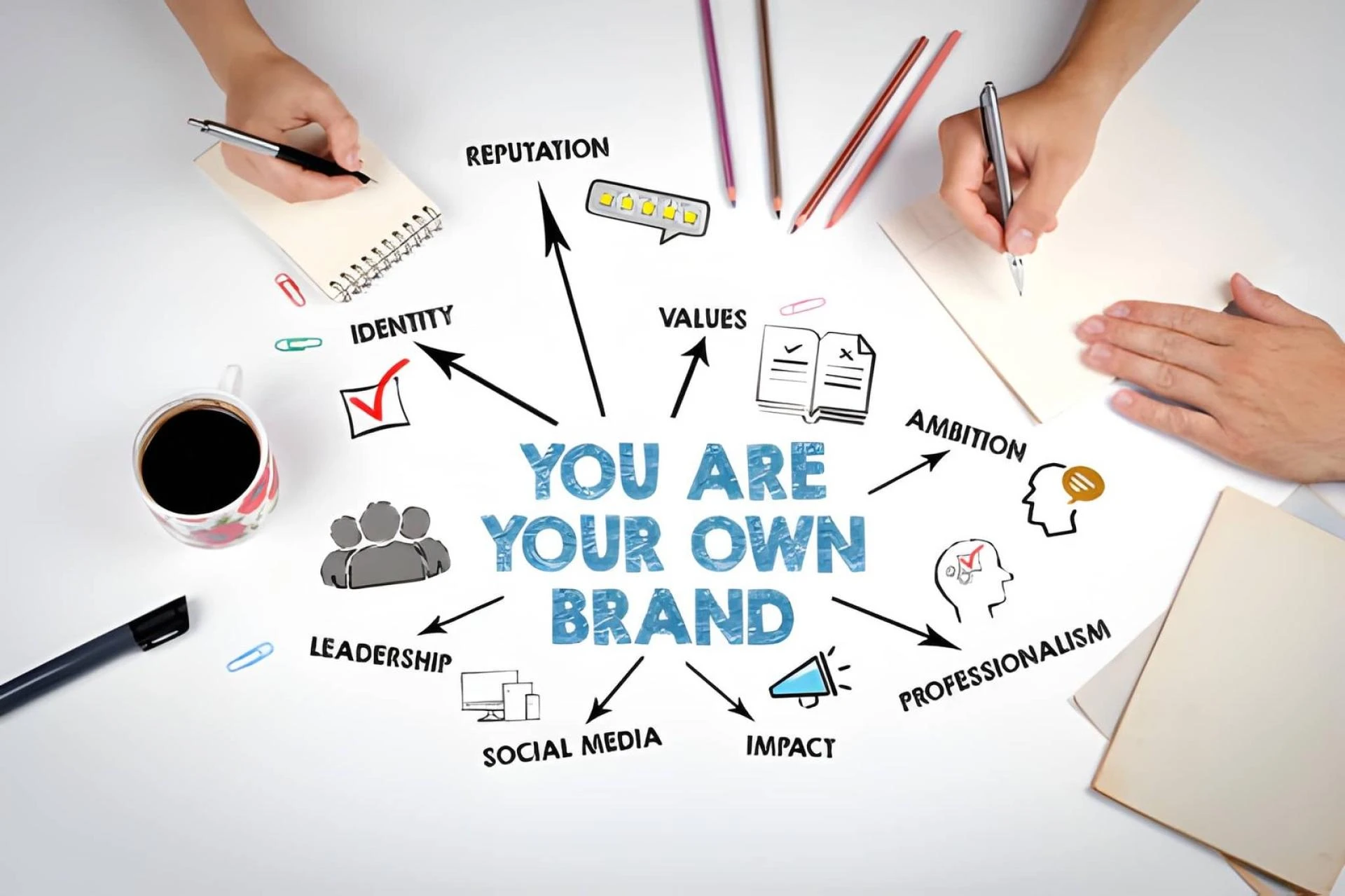
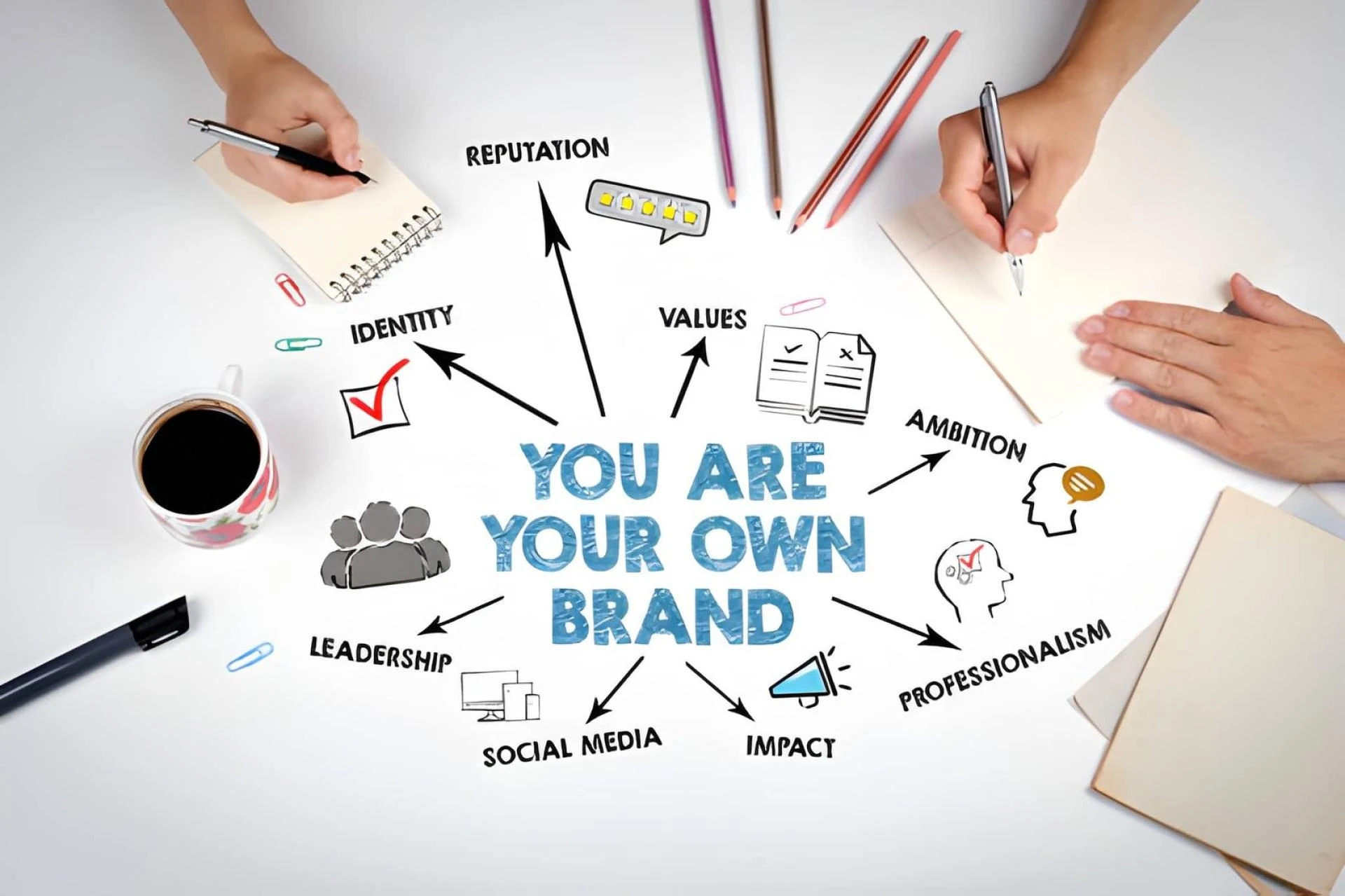
Your reputation is your:
- Identity
- Brand
- Trust
- Power
- Authority
- Opportunity
- Security
If you don’t protect it, someone else will define it for you.
Personal Reputation Management is no longer about image, it is about digital survival.
In the AI era, your reputation is not just what people see, it’s what algorithms believe.
And in a world where AI influences decisions, visibility, credibility, and trust, controlling your digital narrative is the most powerful protection strategy you can build.