Outdoor spaces such as patios, balconies, gardens, and walkways are an important part of modern UK homes and commercial properties. However, rain, frost, and algae growth can quickly turn these areas into slip hazards. This is why anti-slip outdoor tiles are becoming an essential choice for safety-conscious homeowners and business owners.
If you are reviewing options at a porcelain tiles shop in London, understanding how anti-slip tiles work and how to choose the right ones can help prevent accidents and improve long-term usability.
This guide explains how anti slip outdoor tiles reduce risk, what features to look for, and how they perform in UK weather conditions.
Why Slippery Outdoor Floors Are a Common Problem in the UK
The UK climate creates ideal conditions for slippery surfaces. Frequent rainfall, damp winters, and shaded outdoor areas often lead to moss, algae, and surface moisture.
Common risk areas include:
- Garden patios and terraces
- Balcony floors
- Driveways and pathways
- Commercial entrances and outdoor seating areas
Without proper flooring, these spaces can become unsafe. Anti slip outdoor tiles are designed to reduce these risks while maintaining a clean and modern appearance.
What Are Anti Slip Outdoor Tiles?
Anti slip outdoor tiles are tiles specifically manufactured with textured or structured surfaces that increase grip underfoot. Most are made from porcelain, as this material allows precise control over texture, durability, and water absorption.
Key characteristics of anti slip outdoor tiles:
- Textured or structured surface finish
- Low water absorption
- Resistance to frost and temperature changes
- High durability under heavy use
These features make anti slip outdoor tiles suitable for both residential and commercial environments.
Understanding Slip Resistance Ratings
One of the most important factors when selecting anti slip outdoor tiles is slip resistance. In the UK and Europe, tiles are often rated using the R-rating system.
Common ratings include:
- R10 – Moderate slip resistance (covered outdoor areas)
- R11 – High slip resistance (patios, balconies, pathways)
- R12–R13 – Very high slip resistance (commercial or industrial use)
For most homes, R11-rated anti slip outdoor tiles provide a good balance between safety and comfort.
How Anti-Slip Surfaces Prevent Accidents
The textured surface of anti slip outdoor tiles creates friction, even when the tile is wet. This helps footwear grip the surface more effectively.
Safety benefits include:
- Reduced risk of slips and falls
- Better traction during rain or frost
- Improved confidence when walking outdoors
For families with children or elderly residents, anti slip outdoor tiles can significantly improve outdoor safety.
Porcelain: The Preferred Material for Outdoor Tiles
Porcelain is widely regarded as the best material for outdoor tiles in the UK. Its dense structure and low porosity make it resistant to moisture, cracking, and staining.
Advantages of porcelain anti slip outdoor tiles:
- Frost resistance
- Long lifespan
- Minimal maintenance
- Consistent performance in all seasons
These qualities make porcelain tiles a reliable solution for preventing slippery outdoor floors.
Outdoor Areas That Benefit Most From Anti-Slip Tiles
Anti slip outdoor tiles can be used across a wide range of spaces.
Most common applications include:
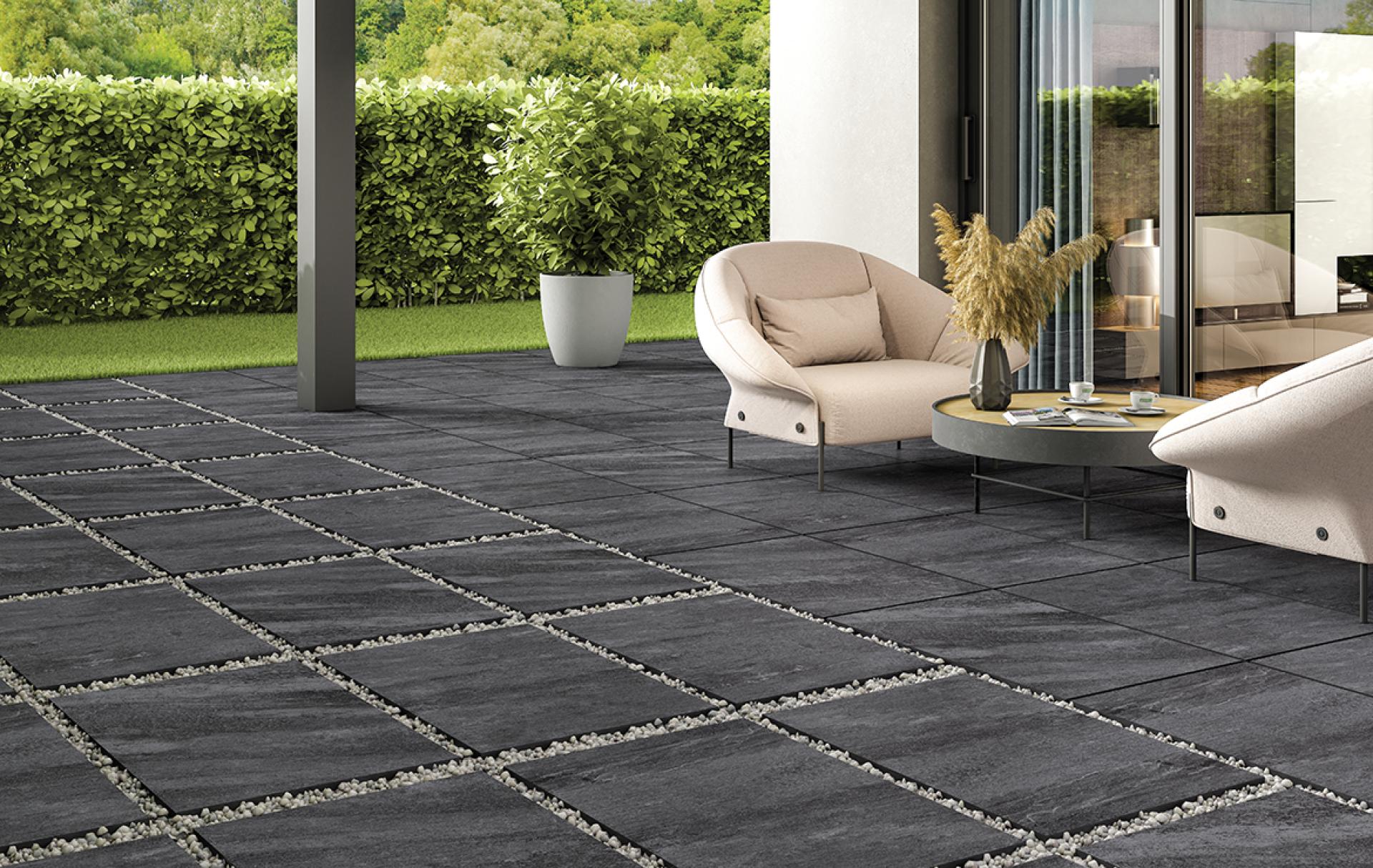
- Patios and garden seating areas
- Pool surrounds
- Balconies and roof terraces
- Outdoor steps and entrances
Using the same anti slip outdoor tiles across connected areas also creates a cohesive and professional finish.
Design Options That Do Not Compromise Safety
Many people worry that anti slip outdoor tiles may look rough or unattractive. Modern manufacturing techniques have changed this perception.
Today’s anti slip outdoor tiles are available in:
- Stone-effect finishes
- Concrete-look designs
- Wood-effect outdoor tiles
- Neutral and natural colour palettes
This allows homeowners to prioritise safety without sacrificing visual appeal.
Weather Resistance and Year-Round Performance
UK outdoor flooring must handle rain, frost, and temperature changes. Anti slip outdoor tiles are designed to remain stable and safe throughout the year.
Key weather-related benefits:
- Maintains grip when wet
- Resists frost damage
- Drains water efficiently when installed correctly
For those exploring outdoor flooring options, Why Porcelain Outdoor Tiles Are the Best Choice for Every Home explains how porcelain performs better than many alternative materials in outdoor settings.
Preventing Algae and Moss Build-Up
Slippery outdoor floors are often caused by algae or moss growth rather than the tile itself. While anti slip outdoor tiles reduce risk, basic maintenance is still important.
Simple prevention tips:
- Sweep regularly to remove debris
- Rinse tiles occasionally with water
- Clean shaded areas more frequently
Porcelain anti slip outdoor tiles are easier to clean than natural stone, as they do not absorb moisture.
Installation Factors That Affect Slip Resistance
Correct installation is essential for anti slip outdoor tiles to perform as intended.
Important installation considerations:
- Proper slope for drainage
- Correct adhesive and grout for outdoor use
- Even tile spacing and alignment
Poor installation can allow water to pool, reducing the effectiveness of even the best anti slip outdoor tiles.
Anti-Slip Tiles for Commercial Outdoor Spaces
Business owners have additional responsibilities when it comes to safety. Outdoor cafés, offices, retail stores, and hospitality venues often require slip-resistant flooring.
Benefits for commercial use:
- Reduced accident risk
- Improved compliance with safety standards
- Professional appearance
Anti slip outdoor tiles help businesses maintain safe and welcoming outdoor environments.
Long-Term Value and Maintenance
While anti slip outdoor tiles may have a higher upfront cost than basic paving, they often deliver better long-term value.
Long-term advantages include:
- Fewer repairs
- Lower cleaning and maintenance costs
- Extended lifespan
For homeowners and professionals, this makes them a sensible investment.
Sustainability and Responsible Choices
Porcelain tiles are often considered a more sustainable option compared to some natural materials. Their durability means they do not need frequent replacement.
Environmental benefits include:
- Long product life
- Reduced material waste
- Lower chemical use for maintenance
Manufacturers such as Axar Tiles contribute to the growing availability of outdoor porcelain tiles that balance safety, performance, and responsible design.
Final Thoughts
Preventing slippery outdoor floors is essential for safety, comfort, and peace of mind. Anti slip outdoor tiles provide a reliable solution for UK homes and commercial spaces exposed to rain, moisture, and seasonal weather changes.
By understanding slip ratings, material benefits, installation requirements, and maintenance practices, homeowners and business owners can make informed decisions. With the right choice, anti slip outdoor tiles help create outdoor spaces that are safe, durable, and visually appealing throughout the year.