
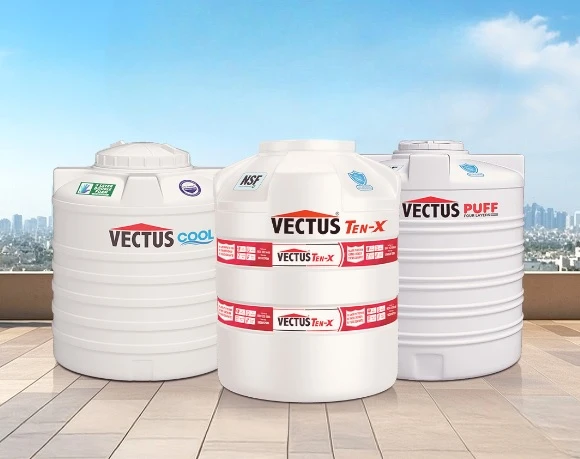
Cleand safe water is essential for everyday activities like cooking, bathing, and cleaning. However, stored water can easily become a breeding ground for algae and bacteria if not maintained properly. These microorganisms not only affect water quality but can also pose health risks. Understanding why this growth occurs and how to prevent it can help ensure long-term water safety and hygiene.
Why Algae and Bacteria Grow in Stored Water
Algae thrive mainly due to sunlight exposure, while bacteria grow because of stagnant water, organic contaminants, and improper cleaning. When storage systems are placed in open or poorly covered areas, sunlight enters and triggers algae formation. Dust, insects, and debris further worsen the issue by introducing nutrients that support bacterial growth.
Even a well-installed water tank can face these problems if regular maintenance is ignored. The good news is that with proper planning and care, algae and bacteria can be controlled effectively.
Choose the Right Material and Design
One of the most important preventive steps starts at the time of purchase. High-quality storage systems are made from food-grade materials that resist microbial growth. Always choose products designed to block sunlight and maintain internal hygiene.
A reliable water tank manufacturer ensures the tank is built with UV-stabilized layers and smooth inner surfaces that reduce residue buildup. These features limit the conditions in which algae and bacteria thrive, making maintenance easier in the long run.
Keep Sunlight Out Completely
Sunlight is the biggest contributor to algae formation. Even minimal exposure can trigger green patches inside the storage system. Tanks should always be installed in shaded areas or designed with opaque, UV-resistant materials.
Ensure lids fit tightly and there are no cracks or translucent sections that allow light inside. This simple step significantly reduces algae growth and keeps water fresher for longer.
Clean and Disinfect Regularly
Routine cleaning is non-negotiable. Over time, sediments settle at the bottom, creating a perfect environment for bacteria. Experts recommend cleaning the interior at least once every six months.
Drain the stored water completely, scrub the inner walls, and disinfect using approved cleaning agents. Avoid harsh chemicals that may leave residues. During this process, ensure all inlet and outlet points are cleaned thoroughly to prevent reinfection.
Maintain Proper Water Circulation
Stagnant water encourages bacterial growth. Regular water usage ensures movement, which helps prevent microbial buildup. Avoid storing water for extended periods without usage.
If the system is used occasionally, make it a habit to replace stored water periodically. Fresh inflow keeps the internal environment less favorable for bacteria and algae.
Install Efficient Filtration Systems
Filtering water before it enters the storage unit helps remove organic matter, dirt, and microorganisms. Installing sediment filters or basic purification units at inlet points reduces contamination significantly.
A trusted water tank manufacturer often recommends compatible filtration solutions that work seamlessly with their designs. Following these recommendations enhances water safety and reduces cleaning frequency.
Monitor Temperature and Environment
Warm conditions accelerate microbial growth. Tanks placed near heat sources or under direct sun exposure tend to heat up quickly. Keeping the storage unit cool by placing it in shaded or ventilated areas helps slow bacterial multiplication.
Regularly inspect surrounding areas to ensure no sewage lines, drains, or chemical sources are located nearby. Environmental contamination can easily spread into stored water.
Use Safe Anti-Microbial Solutions
Some approved anti-microbial coatings and treatments are designed specifically for water storage systems. These solutions help inhibit bacterial growth without affecting water quality.
Before using any treatment, ensure it complies with safety standards and is recommended by the water tank manufacturer. Using unapproved chemicals can compromise both water safety and tank durability.
Seal All Openings Properly
Loose covers, damaged vents, or uncovered overflow pipes allow insects, rodents, and dust to enter. These contaminants bring organic matter that feeds bacteria and algae.
Ensure all openings are sealed with mesh or tight-fitting covers. Regular inspections help catch minor issues before they turn into major contamination problems.
Schedule Professional Inspections
Sometimes, issues may not be visible to the naked eye. Professional inspections can identify early signs of microbial growth, structural damage, or improper installation.
A second water tank inspection annually can help maintain long-term hygiene and performance, especially in areas with high temperatures or water quality concerns.
Long-Term Benefits of Preventive Care
Preventing algae and bacteria growth ensures cleaner water, better health, and longer tank life. It also reduces maintenance costs and prevents unpleasant odors or discoloration.
With thoughtful placement, regular cleaning, proper filtration, and guidance from a dependable water tank manufacturer, households can enjoy safe and hygienic water throughout the year.
Conclusion
Algae and bacteria growth is a common but manageable problem. By controlling sunlight exposure, maintaining cleanliness, ensuring proper circulation, and following expert recommendations, stored water remains safe and usable. A well-maintained water tank not only protects your family’s health but also provides peace of mind for years to come.