
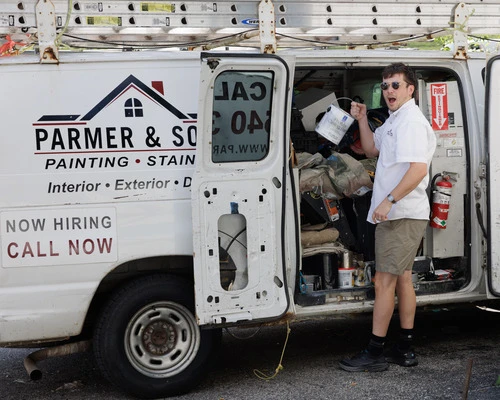
Painting the outside of your home is more than just choosing a color you like. It’s about protecting your house from the weather, keeping it looking fresh, and making sure the paint lasts for years. In Virginia, your home faces hot summers, cold winters, heavy rain, and even occasional snow.
If you skip proper preparation, the paint may peel, crack, or fade much sooner than it should. Taking time to get ready before painting will make the process smoother and give you better results. Plus, it can save you money by preventing costly repairs later.
Tips to Prepare Your Virginia Home for Exterior House Painting
Start with a Careful Inspection
Start by walking around your house and inspecting the siding, trim, doors, and shutters for damage. Look for peeling paint, cracks, rotting wood, or water damage around windows and the foundation. Even minor issues can become more costly and difficult to address later, so make a list of repairs to identify what needs attention and estimate supplies like paint and primer.
Clean Everything Well
Dirty surfaces can make even the best paint job fail. Use a pressure washer or a hose with soap to remove dirt, mildew, and pollen from your siding and trim. Pay special attention to corners, roof overhangs, and areas where water collects, as these spots often harbor mold or mildew.
Let everything dry completely before moving on to the next step. Clean surfaces improve paint adhesion, prevent bubbling, and reduce the risk of peeling. Taking this extra step may take time, but it will make a massive difference in the final appearance.
Fix Damage Before You Paint
Once the exterior is clean, it’s time to make repairs. Fill holes and cracks with the right filler, replace rotted wood, and sand rough spots until they are smooth. Check trim and window frames for signs of wear.
Fixing these issues before painting prevents problems later and helps the paint look smooth and professional. If you skip this step, the paint may not adhere properly, resulting in uneven coverage, cracks, or peeling. Spending a few extra hours on repairs will save a lot of frustration in the long run.
Protect Your Yard and Belongings
Painting can get messy. Move furniture and outdoor items away from walls, and cover plants, walkways, and flower beds with drop cloths. Protecting your yard now saves cleanup later and prevents accidental stains.
Remove or Cover Fixtures
Take off shutters, house numbers, and light fixtures if possible. Cover windows, doors, and vents with painter’s tape to make sure the paint goes only where it should. This step may seem small, but it makes a big difference in how neat your job looks.
Clean lines and careful coverage make the finished project look professional. Even the smallest overlooked detail, like a corner of a window, can stand out once the painting is done, so it’s worth taking the time to cover everything properly.
Check the Weather Before You Start
Weather can make or break a paint job in Virginia. Choose a dry, mild day and avoid rain, snow, or extreme heat, since these conditions can prevent the paint from drying properly. Checking the forecast for the next few days helps ensure the paint adheres evenly and lasts longer.
Pick the Right Paint and Primer
Not all paint is the same, so choose one that can handle Virginia’s sun, rain, and cold. Apply primer to bare wood or repaired areas to help paint stick and look smooth. Using high-quality materials may cost more up front, but it lasts longer and saves time. Ask a professional if you’re unsure which type to use.
Decide if You Need Professional Help
Sometimes, hiring a professional makes sense, especially if the job is large or tricky. Experts can handle prep work, painting, and cleanup more efficiently. They can also advise on colors, finishes, and techniques that work best for your home.
For homeowners seeking reliable results, professional exterior house painting ensures the work is done correctly and lasts longer. Even if you plan to do the painting yourself, consulting a professional for advice can help you avoid common mistakes and achieve a better-looking finish.
Plan for Small Details
Don’t forget the finishing touches. Check the caulking around windows and doors, inspect the gutters, and make sure your downspouts are clear. Trim back bushes and tree branches that touch the house.
Inspect decks, stairs, and porches for peeling paint or minor damage. Even small details can affect how the paint performs and how your home looks. Taking the time to plan for these details now will save frustration later and ensure your home looks polished and cared for.
Summary!
Preparing your Virginia home for exterior painting takes time, but it is worth every effort. By carefully inspecting, cleaning, repairing, protecting, and planning, you set yourself up for a smoother process and longer-lasting results.
Taking these steps helps the paint stick better, prevents damage, and gives your home a fresh, clean look that lasts. For homeowners who want expert guidance and professional service, Parmer and Sons Painting can help make sure your home looks its best and stays protected for years to come.