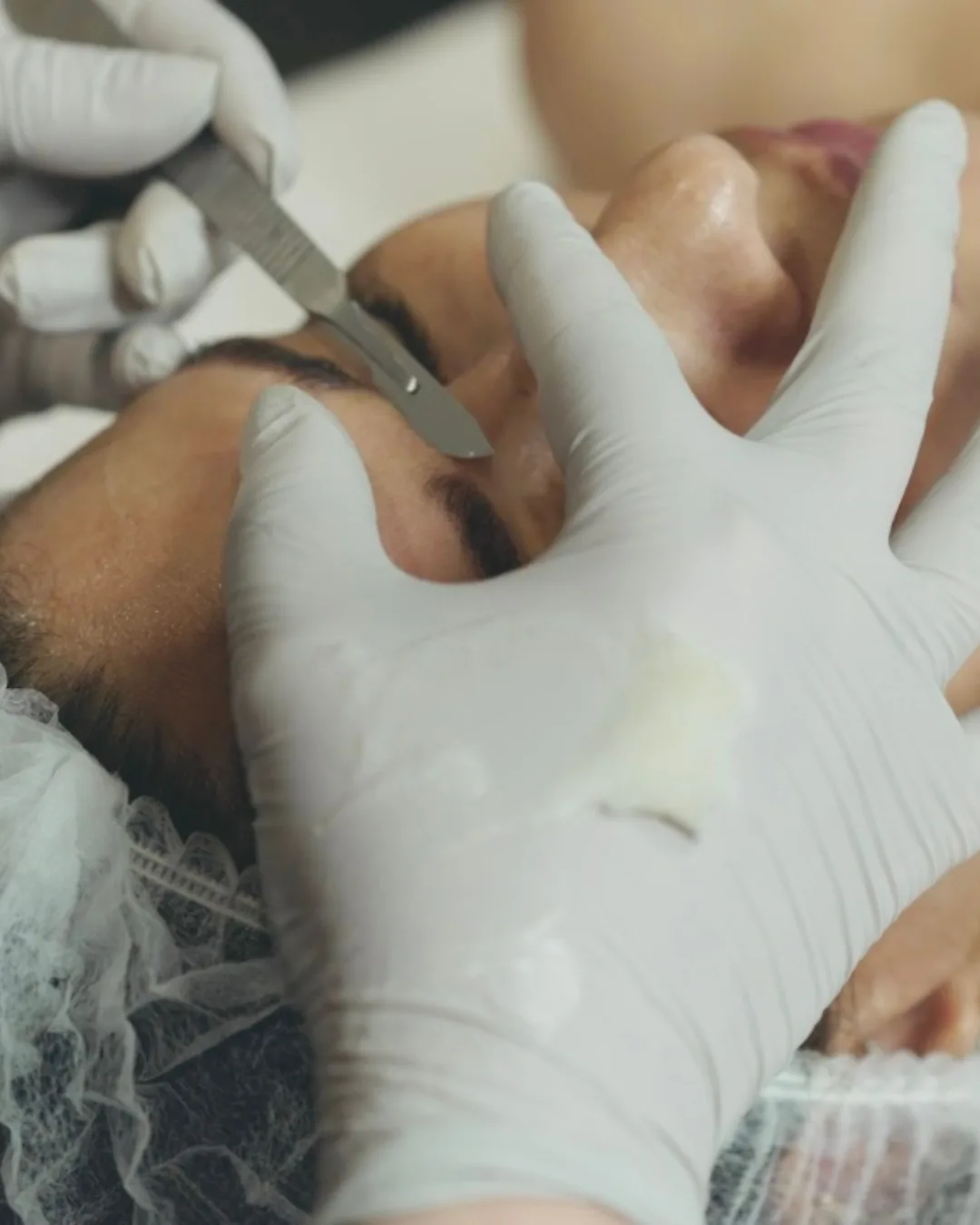
Dermaplaning is a popular exfoliation treatment in professional skincare, helping remove dead skin cells and fine facial hair to leave the skin feeling smoother. For estheticians and salon professionals, preparing clients correctly is an important part of delivering a comfortable, well-planned treatment.
Understanding the client's skin condition, discussing their skincare routine, and selecting suitable products can help professionals make informed decisions before beginning a treatment.
1. Start With a Thorough Client Consultation
Before performing dermaplaning, professionals should discuss the client's skin concerns, treatment history, and skincare habits. A consultation helps identify factors that may affect treatment suitability.
Ask about current skincare products, recent cosmetic procedures, known sensitivities, and any active skin concerns. Check the skin carefully and postpone treatment when necessary, particularly if there are open wounds, active infections, or significant irritation.
A detailed consultation also helps establish realistic expectations and supports a more personalised treatment plan.
2. Understand the Client's Skin Condition
Every client has different skincare needs. Evaluating the skin before treatment helps determine whether dermaplaning is an appropriate option.
Professionals should understand skin anatomy and physiology, including the skin barrier and its role in protecting against external irritants. They should also recognise signs of inflammation, excessive dryness, and other conditions that may require additional assessment.
Appropriate dermaplaning training can help skincare professionals develop the knowledge needed to assess clients and make safer treatment decisions.
3. Review the Client's Skincare Routine
Some skincare ingredients and treatments can increase skin sensitivity. During the consultation, ask whether the client uses exfoliating acids, retinoids, prescription skincare products, or has recently undergone procedures that may affect the skin barrier.
Provide individualised guidance based on the client's skin condition and professional protocols. When medication or a medical skin condition raises concerns, recommend that the client consult an appropriate healthcare professional before proceeding.
4. Choose Suitable Professional Products and Tools
Using appropriate equipment is essential for a well-organised treatment. Professionals should select professional dermaplaning tools designed for controlled use and ensure that all equipment is handled according to manufacturer instructions.
Use a new, sterile, single-use dermaplaning blade for each client and dispose of it in an approved sharps container. Never reuse disposable blades.
A suitable dermaplaning balm or other manufacturer-recommended product may help prepare the skin, depending on the treatment technique and product instructions. Professionals should understand the purpose of each product before incorporating it into their treatment routine.
5. Follow Strict Hygiene Procedures
Good hygiene protects both the client and the practitioner. Clean and disinfect the treatment area and reusable equipment according to the relevant instructions. Practitioners should perform appropriate hand hygiene and use suitable personal protective equipment.
Avoid working over broken or infected skin. Maintain a clean workspace and follow local regulations for blade handling and disposal.
Professionals who want to strengthen their knowledge of treatment safety can benefit from a recognised dermaplaning course covering hygiene, equipment handling, client assessment, and treatment procedures.
6. Explain Aftercare Before the Treatment Begins
Client preparation should include a discussion of what happens after the appointment. Explain that the skin may be temporarily sensitive and that gentle skincare is usually preferable immediately following treatment.
Depending on the client's needs, aftercare guidance may include:
- Using a gentle cleanser and suitable moisturiser.
- Applying broad-spectrum sunscreen and limiting excessive sun exposure.
- Avoiding harsh exfoliants and other potentially irritating products until the skin has recovered.
- Following the practitioner's personalised aftercare instructions.
Clear guidance helps clients understand how to care for their skin and when to contact a skincare professional if they experience an unexpected reaction.
7. Continue Developing Professional Skills
Effective dermaplaning involves more than using a blade. Consultation skills, skin assessment, hygiene, product knowledge, and aftercare all contribute to a professional treatment experience.
An online dermaplaning course can help beauty professionals build their theoretical knowledge and understand the steps involved in treatment preparation. Practitioners should also obtain appropriate practical training and follow applicable local requirements before offering the procedure to clients.
Conclusion
Preparing clients properly is an essential part of professional dermaplaning. By carrying out thorough consultations, assessing skin condition, choosing suitable equipment, maintaining hygiene, and explaining aftercare, skincare professionals can provide a more informed and organised treatment experience.
For professionals looking to develop their knowledge, a structured dermaplaning certification course can provide a foundation in treatment principles, safety procedures, and client care.