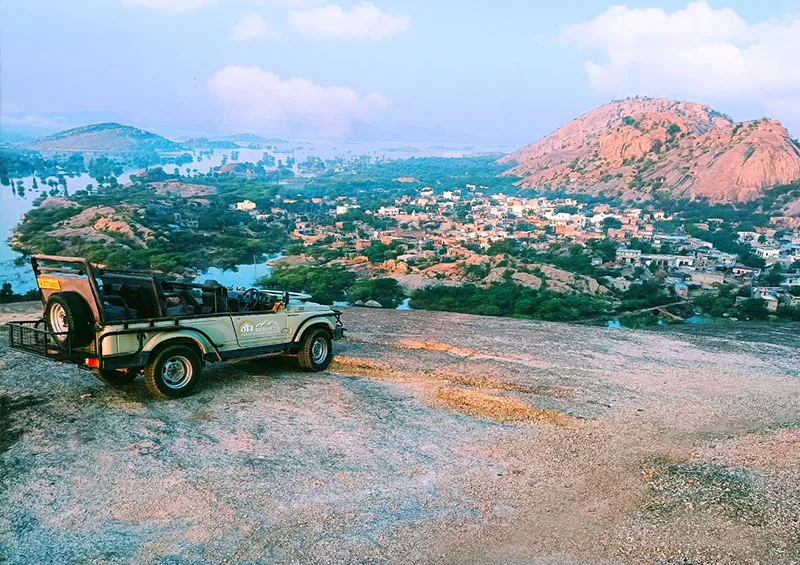
Tucked away in the rugged granite hills of the Pali district in Rajasthan, Jawai offers one of the most distinctive wilderness landscapes on the planet. Here, prehistoric granite monoliths, quiet pastoral villages, and the shimmering waters of the Jawai Bandh create an ecosystem where apex predators and human communities have coexisted peacefully for generations. Unlike densely forested national parks where sightings can be fleeting, the stark rock faces of Jawai provide an open canvas for unforgettable wildlife encounters. Planning a visit to this captivating region requires balancing field-tested wildlife tracking with refined hospitality.
Understanding the Landscape and Wildlife Dynamics
The Jawai landscape does not conform to standard wildlife sanctuary models. The reserve is not bound by strict park gates; rather, wild leopards roam freely among ancient cave systems and granite kopjes adjacent to local settlements. The semi-arid terrain is dotted with acacia shrubs, open wetlands, and traditional pastoral farmland. This unique environment makes safari planning distinct from visits to Ranthambore or Sariska.
While Indian leopards are the primary draw, the Jawai reservoir serves as an essential winter refuge for diverse avifauna. Flamingos, bar-headed geese, sarus cranes, and pelicans congregate along the water's edge alongside large populations of mugger crocodiles basking on sandy shores. Understanding these natural patterns helps travelers tailor their time between granite cliff drives and tranquil lake excursions.
Selecting the Right Season for Your Journey
Field observation indicates that wildlife activity in Jawai changes dramatically across seasons:
- October through March: This period offers crisp mornings, pleasant afternoons, and chilly desert evenings. Migratory birds arrive in large flocks, and leopards frequently emerge onto warm granite boulders to sunbathe during early morning hours.
- April through June: Summer temperatures climb significantly, but predator tracking becomes exceptionally focused. Sparse vegetation and drying waterholes concentrate wildlife around the primary reservoir and established rocky watering spots.
- July through September: The monsoon rains carpet the rocky desert in vibrant green. While wildlife spotting requires patience due to dense cover, the landscape transforms into a dramatic tapestry of seasonal waterfalls and mist-shrouded granite hills.
For the ideal balance of pleasant weather and high-probability sightings, late autumn through early spring remains the gold standard.
Securing Your Wilderness Encounters
A successful expedition relies entirely on experienced field naturalists and responsible drivers who respect animal behavior. Navigating boulder-strewn hills and loose gravel paths demands custom open four-wheel-drive vehicles equipped for challenging angles. Securing your Leopard Safari Booking in Jawai in advance ensures access to skilled local trackers who understand territorial movements, maternal dens, and daily behavioral patterns without disturbing the natural habitat.
Morning safaris generally depart before dawn, capitalizing on the transition period when nocturnal cats return to their cliffside retreats. Evening drives commence in late afternoon, allowing visitors to position themselves near prominent kopjes before dusk while catching panoramic sunset vistas across the Aravali horizon.
Where Wilderness Meets Sophistication
After bumpy drives through boulder formations, sanctuary travelers value uncompromised comfort, attentive culinary care, and quiet reflection. Choosing a Luxury Stay Near Jawai Dam provides panoramic wilderness views alongside private plunge pools, expansive deck spaces, and authentic regional hospitality.
An exceptional basecamp serves as an organic extension of the surrounding landscape. The Jawai Sagar embraces sustainable building techniques, low-impact lighting to preserve the dark night sky, and farm-to-table culinary menus celebrating local Rajasthani ingredients. Staying close to key tracking sectors minimizes transfer times and maximizes field hours during prime crepuscular shifts.
Cultural Immersion with the Rabari Pastoralists
A trip to Jawai remains incomplete without understanding the spiritual connection of the indigenous Rabari community. For centuries, these semi-nomadic herdsmen, distinguished by their crimson turbans and traditional silver ornaments, have shared territory with wild predators. Driven by deep reverence for nature, the Rabari view leopards as sacred companions rather than threats.
Curated village walks led by respectful community liaisons allow visitors to witness traditional livestock management, admire authentic mud architecture, and experience genuine rural warmth. This cultural integration forms the backbone of Jawai's conservation success and provides travelers with a deeply grounding ethical framework.
Practical Packing and Travel Tips
Preparation ensures your wilderness venture remains comfortable and safe:
- Apparel: Wear breathable cottons in neutral tones like khaki, olive, and sand. Avoid bright colors and heavy scents that may alert wildlife. Pack windbreakers, wool hats, and thermal layers for cold morning drives in open jeeps.
- Optics and Cameras: Bring a sturdy zoom lens (100-400mm or equivalent) and high-quality binoculars (8x42 or 10x42) for scanning cliff faces and distant marshlands.
- Connectivity: Jawai is accessed conveniently by road from Udaipur (roughly 2.5 to 3 hours) and Jodhpur (approximately 3 to 3.5 hours). Both cities feature operational domestic airports connecting to major transport hubs across India.
Selecting the best resort in Jawai delivers an unforgettable combination of high-octane predator tracking, refined tranquility, and sustainable conservation in Rajasthan's most iconic granite country.