Choosing the right entry gate and forest sector determines the rhythm of your wildlife expedition in Sawai Madhopur. Over our eighteen years hosting wildlife enthusiasts and tracking big cat movements from Ranthambore Tiger Resort in Village Sherpur, our resident naturalists have observed that while Royal Bengal Tigers roam freely across boundaries, each sector offers distinct terrain, waterholes, and sighting probabilities. Understanding how the forest department divides this 1,334-square-kilometer reserve helps travelers align their expectations with seasonal animal behavior.
Understanding the Ten Forest Sectors
The Rajasthan Forest Department divides the tourism area into ten numbered zones to prevent vehicle congestion and protect sensitive habitats. Selecting a Ranthambore Safari Zone requires balancing tiger territory overlap with landscape photography preferences.
- Zone 1 (Singhdwar): Positioned as a vital buffer corridor leading into the central hills, this route passes through Sultanpur and Tuti Ka Nala, frequently hosting dominant males patrolling territorial borders.
- Zone 2 (Jhalra): Widely considered a premier core territory, this area features perennial water sources like Jhalra and Gandhria where leopards and tigers gather during dry afternoons.
- Zone 3 (Padam Talao): Famous for its dramatic backdrop of ancient ruins and lotus-filled lakes, this sector includes Padam Talab, Rajbagh, and Malik Talab, offering unmatched lighting for wildlife photographers.
- Zone 4 (Lakkad Da): Historically celebrated as the home turf of the legendary tigress Machli, this sector encompasses dense bamboo thickets, Berda, and the scenic Kachida Valley.
- Zone 5 (Kachida): Sharing an entrance gate with the first sector before diverging toward Jokha and Bagdah, this trail blends open grasslands with rocky outcrops ideal for spotting sloth bears and sambar deer.
- Zones 6 to 10 (Kundal to Aantri): Originally designated as peripheral buffer areas, sectors like Kundal (Zone 6) and Aantri (Zone 10) now support thriving resident tiger families, caracals, and over three hundred species of resident and migratory birds.
Matching Your Safari Zone to the Season
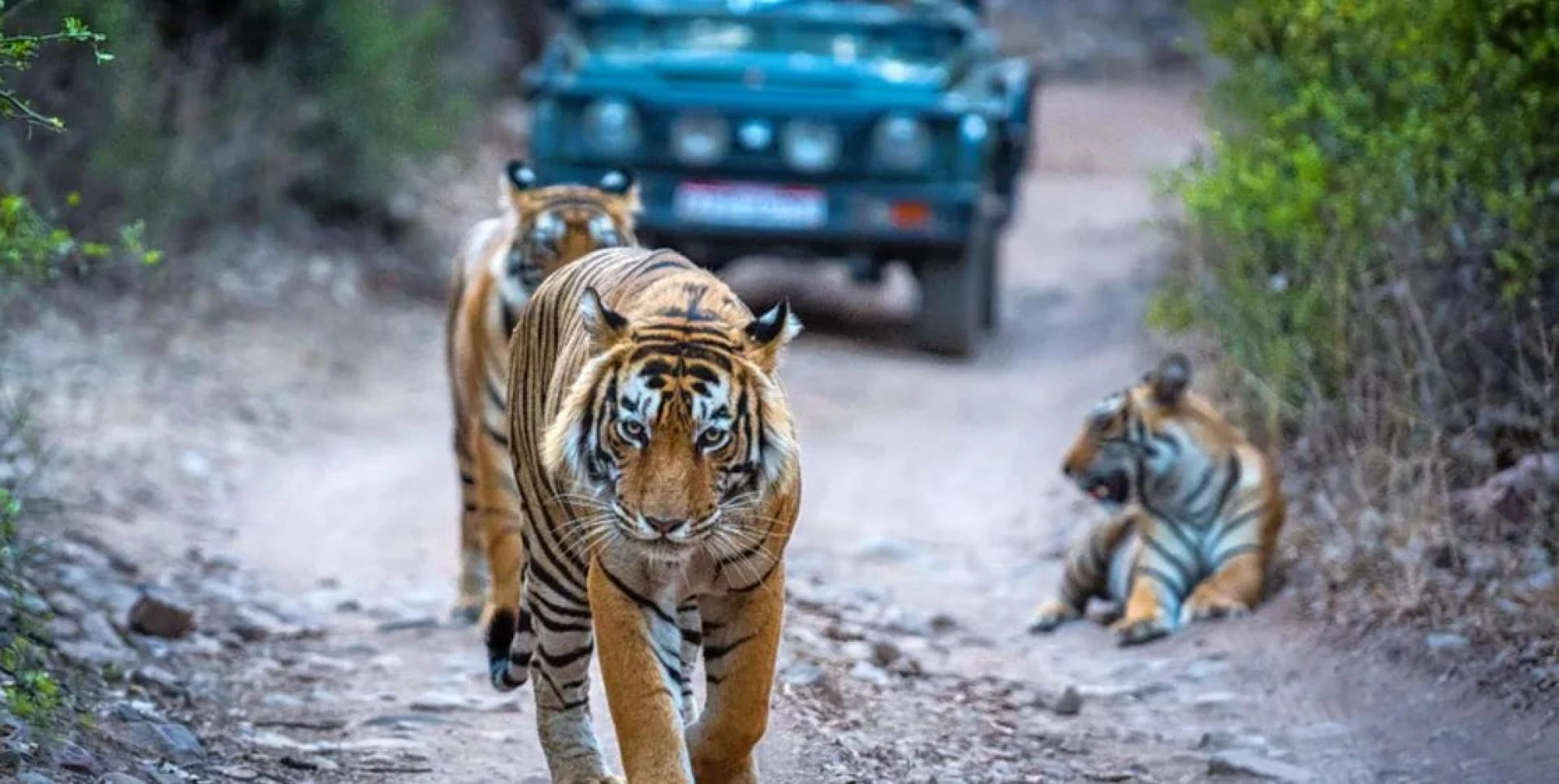
Weather patterns dictate where predators rest and hunt throughout the calendar year. During the cooler winter months from October to March, tigers often bask in open meadows and rocky ridges during morning hours to absorb warmth, making grasslands in Zones 1, 5, and 6 highly productive. Conversely, when summer temperatures climb between April and June, big cats retreat into shaded ravines and remain close to permanent water bodies. Booking permits in Zones 2, 3, or 4 during peak summer dramatically improves your odds of witnessing a tiger cooling off along lake edges at dawn or dusk.
Selecting the Right Safari Vehicle
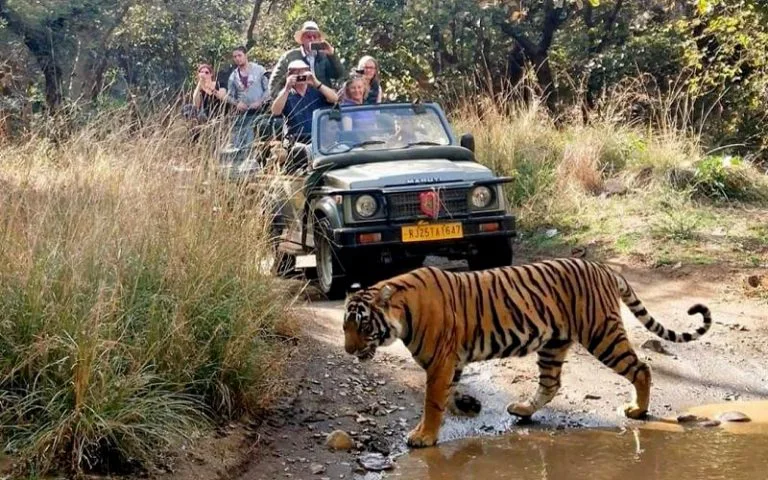
Your choice of transport influences both maneuverability and vantage height inside the forest. Six-seater open-top Maruti Gypsies provide agility on narrow, rocky tracks and allow eye-level photography for small private groups. Meanwhile, booking a Canter Safari in Ranthambore places twenty passengers in an elevated open-air bus, delivering a higher perspective over tall elephant grass and making it an economical option for larger families. Both vehicle categories follow identical forest department routes and require mandatory government-registered naturalists on board.
Essential Booking Protocols and Logistics
Official permits are issued strictly on a first-come, first-served basis through the Rajasthan Forest Department portal up to ninety days ahead of your travel date. Every visitor must carry the exact original government-issued photo identification used during registration, as forest guards verify credentials at the entry barrier before permitting vehicles inside. Morning drives typically depart around 6:30 AM and last three and a half hours, while afternoon excursions begin near 2:30 PM until sunset. Staying at the best resort in Ranthambore located within fifteen minutes of the main park gates ensures you reach your designated boarding point rested and punctual.
Maximizing Your Wildlife Experience
Even with meticulous planning, nature operates on its own schedule. Rather than focusing exclusively on tiger pugmarks, listen closely to alarm calls from langur monkeys and spotted deer, which reliably signal predator movement through the undergrowth. Maintain complete silence when vehicles halt near waterholes, wear earthy tones that blend with dry deciduous foliage, and book at least two to three consecutive drives across different shifts to experience the full ecological diversity of Ranthambore National Park.