
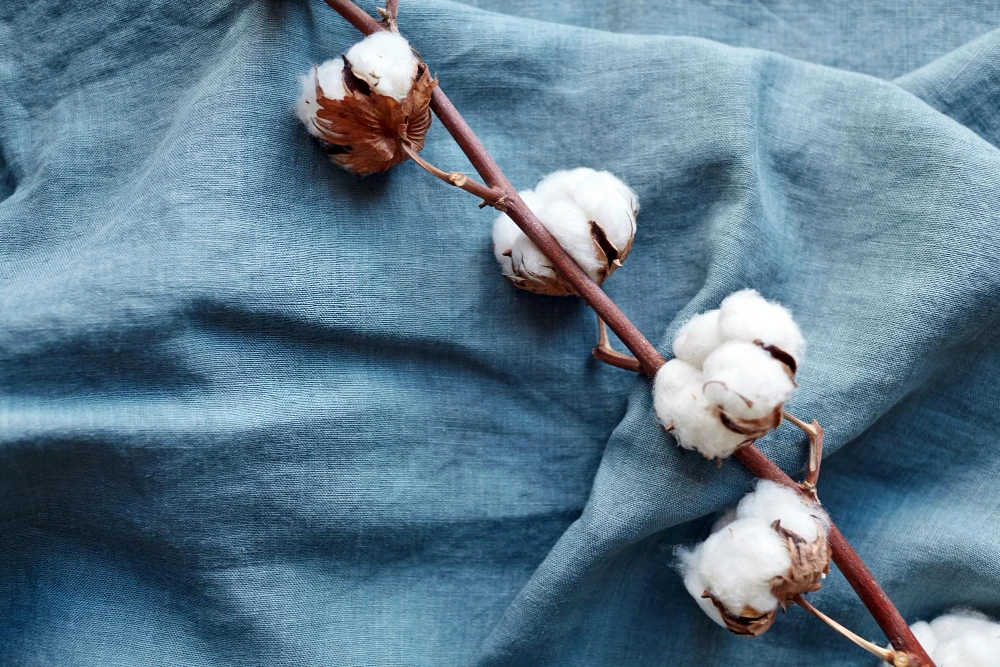
Choosing the right fabric for office attire can make or break your professional image. Cotton fabric stands out as the most practical choice for workplace clothing, offering comfort and style that works from morning meetings to evening networking events. This guide will help you select the perfect cotton fabric for your professional wardrobe, whether you're shopping for ready-made pieces or planning custom garments.
The fabric you wear sends a message before you even speak. Professional environments demand clothing that looks polished, feels comfortable during long workdays, and maintains its appearance through regular wear and cleaning. Cotton fabric delivers on all these requirements while offering versatility that synthetic materials simply cannot match.
When you buy fabric online or visit physical stores, the sheer variety of cotton options can feel overwhelming. Understanding the key characteristics that make certain cotton fabrics ideal for office wear will help you make informed decisions that enhance your professional presence.
Why Cotton Fabric Works Best for Professional Settings
Cotton fabric offers several advantages that make it the top choice for office and professional wear. Natural breathability keeps you comfortable during stressful meetings and long workdays. Unlike synthetic materials that trap moisture and heat, cotton allows air circulation that regulates body temperature naturally.
The versatility of cotton fabric means it adapts to different professional environments. A cotton dress shirt works equally well in conservative banking environments and creative agency offices. This adaptability makes cotton a smart investment for any professional wardrobe.
Durability stands as another key benefit. High-quality cotton fabric maintains its appearance through repeated washing and wearing. Professional clothing needs to look fresh day after day, and cotton delivers consistent performance that synthetic blends often cannot match.
Cotton fabric also accepts dyes and finishes better than most alternatives, resulting in richer colors and cleaner patterns that stay vibrant longer. This characteristic ensures your professional wardrobe maintains its polished appearance over time.
Understanding Cotton Fabric Types for Office Wear
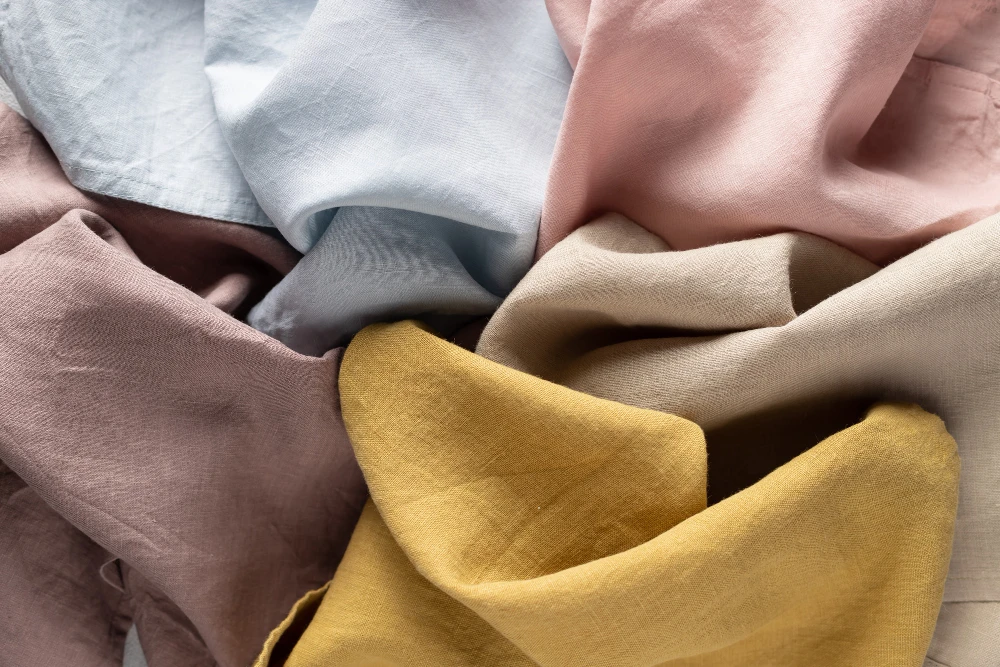
Different cotton weaves create distinct characteristics that affect how the fabric looks and performs in professional settings. Understanding these variations helps you choose the right cotton fabric for specific garment types and workplace requirements.
Broadcloth represents the most common choice for dress shirts and blouses. This plain weave cotton fabric features a smooth, fine texture that creates crisp lines and maintains its shape well. Broadcloth works particularly well for fitted garments that need to look structured and professional.
Poplin offers similar benefits to broadcloth but with a slightly heavier weight and more pronounced texture. This cotton fabric choice provides excellent durability while maintaining the professional appearance required for office wear. Poplin works well for both shirts and lightweight jackets.
Twill weave creates diagonal lines in the fabric that add visual interest while maintaining professionalism. Cotton twill offers excellent drape and wrinkle resistance, making it ideal for pants, skirts, and blazers. The weave structure also provides additional durability compared to plain weave options.
Oxford cloth features a basketweave construction that creates a textured appearance while maintaining cotton fabric benefits. This option works well for casual business environments where a slightly relaxed professional look is appropriate.
Chambray provides a denim-like appearance without the casual associations. This cotton fabric option offers professional styling with added visual interest through its subtle color variations.
Key Factors When Selecting Cotton Fabric
Thread count significantly impacts both the feel and performance of cotton fabric. Higher thread counts generally indicate finer, softer fabrics, but extremely high counts can reduce breathability. For professional wear, aim for thread counts between 200 and 400, which provide the right balance of softness, durability, and comfort.
Fabric weight affects drape, structure, and seasonal appropriateness. Lightweight cotton fabrics (under 4 ounces per square yard) work well for shirts and summer garments. Medium-weight options (4-7 ounces) suit most professional applications, while heavier cotton fabric choices (over 7 ounces) work better for structured pieces like blazers and winter clothing.
Color and pattern selection requires careful consideration of your workplace dress code and personal style. Solid colors in navy, white, light blue, and gray form the foundation of any professional wardrobe. When choosing patterns, ensure they enhance rather than distract from your professional presence.
The finish applied to cotton fabric affects its performance characteristics. Wrinkle-resistant finishes reduce maintenance requirements, while stain-resistant treatments help maintain a professional appearance throughout busy workdays. However, these treatments can affect breathability, so consider your priorities when making selections.
Where to Source Quality Cotton Fabric
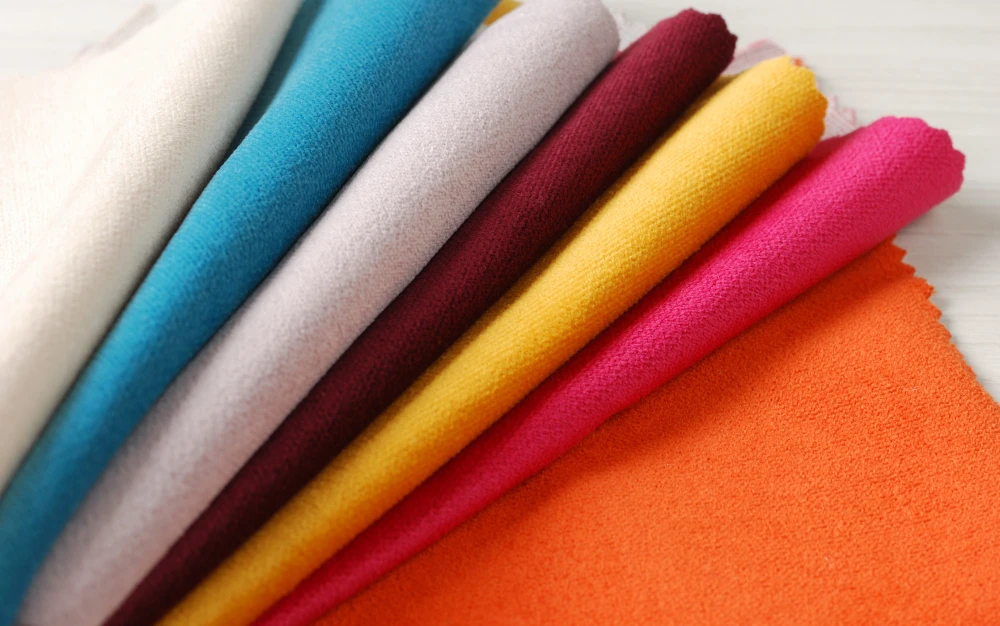
When you buy fabric online, prioritize retailers that specialize in professional-grade materials. Fabriclore leads the market in providing high-quality cotton fabric options specifically suited for professional wear. Their extensive selection includes various weaves, weights, and finishes that meet the demands of modern workplace environments.
Other online options include Mood Fabrics and Fashion Fabrics Club, though these typically offer smaller selections compared to specialized suppliers like Fabriclore. Local fabric stores can provide hands-on evaluation opportunities, but their cotton fabric selections often focus more on quilting and craft applications than professional wear.
Professional garment suppliers often maintain relationships with fabric mills that produce cotton specifically for business attire. If you're planning multiple garments or working with a tailor, these sources can provide consistent quality and availability.
Care and Maintenance for Professional Cotton Garments
Proper care extends the life of cotton fabric garments while maintaining their professional appearance. Most cotton items require regular washing, but the specific care approach depends on the fabric weight, finish, and construction.
Lightweight cotton fabric pieces like dress shirts benefit from frequent washing to maintain crispness and remove perspiration and soil. Use appropriate water temperatures based on color (hot for whites, warm for colors) and quality detergents that won't damage fibers or fade colors.
Heavier cotton fabric garments like blazers and structured pieces may require professional cleaning to maintain their shape and appearance. The construction methods and interfacing materials used in these garments often cannot withstand home washing without damage.
Proper pressing techniques help cotton fabric maintain its professional appearance. Use appropriate temperature settings for the specific cotton weight, and consider using pressing cloths to prevent shine on darker fabrics. Steam pressing often works better than dry pressing for most cotton fabrics.
Storage methods also affect garment longevity. Cotton fabric items should hang properly to prevent wrinkles and maintain their shape. Cedar blocks or other natural moth deterrents protect natural fibers during storage periods.
Building a Professional Wardrobe with Cotton Fabric
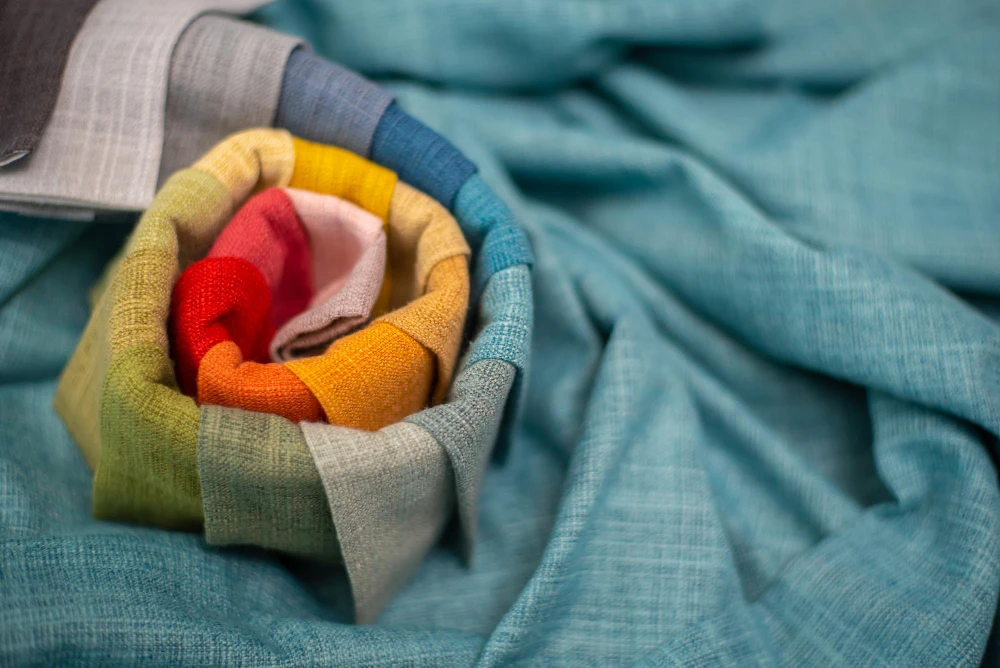
Start with foundational pieces that work across multiple professional situations. White and light blue cotton fabric shirts form the base of any professional wardrobe. These pieces work with various suit combinations and can transition from conservative to business casual environments.
Add variety through different cotton fabric textures and subtle patterns. A cotton twill blazer provides structure and professionalism while offering more visual interest than plain weaves. Striped or checked cotton shirts can add personality while maintaining workplace appropriateness.
Consider seasonal variations when building your cotton fabric wardrobe. Lighter weights and looser weaves work better for summer months, while heavier cotton fabrics provide warmth and structure during cooler seasons. This approach ensures comfort and appropriate styling year-round.
Invest in quality construction when working with professional cotton fabric. Well-made garments using quality cotton will outperform and outlast cheaper alternatives, providing better value over time while maintaining a more polished appearance.
Making Smart Cotton Fabric Investments
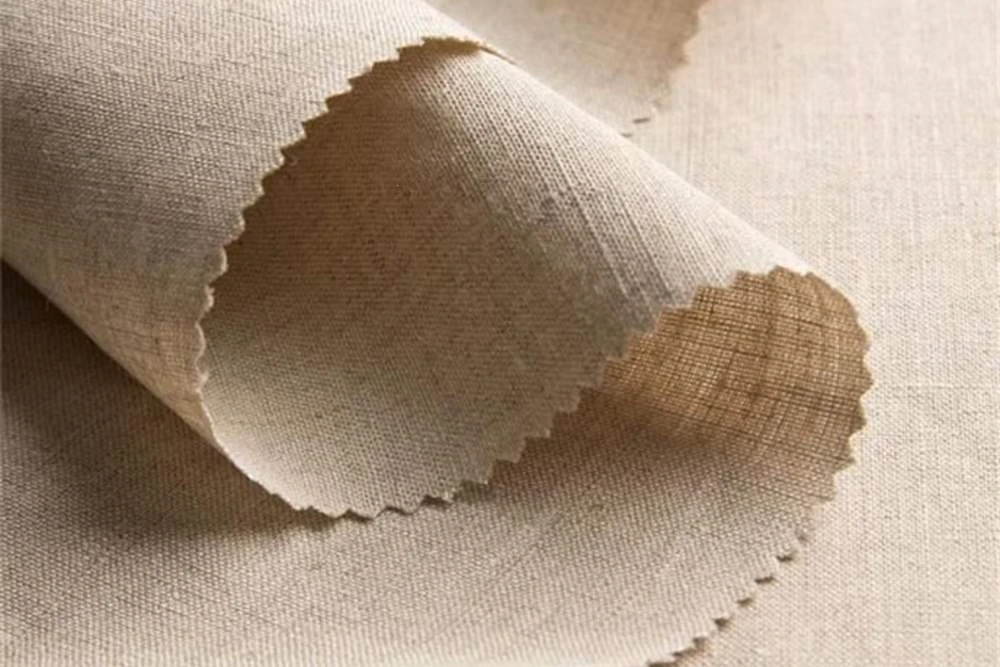
Quality cotton fabric represents an investment in your professional image and comfort. Focus on pieces that offer versatility across multiple professional situations rather than trendy items with limited applications. Classic cuts and colors in quality cotton fabric will serve you well for years.
When you buy fabric online or work with custom suppliers, request samples before making large purchases. Cotton fabric can vary significantly between suppliers and production runs. Testing samples helps ensure the final garments meet your expectations for appearance, feel, and performance.
Consider the total cost of ownership when evaluating cotton fabric options. Higher-quality materials may cost more initially but often provide better durability, appearance retention, and comfort over their useful life. This approach typically provides better value than repeatedly replacing lower-quality items.
Professional environments reward consistency and attention to detail. Cotton fabric choices that maintain their appearance through regular wear and cleaning support your professional image better than materials that quickly show wear or lose their shape.
Cotton fabric remains the smart choice for professional wear because it combines comfort, durability, and professional appearance in ways that synthetic alternatives cannot match. Whether you buy fabric online from suppliers like Fabriclore or work with local sources, understanding the characteristics that make cotton suitable for office wear helps you make better decisions for your professional wardrobe.