
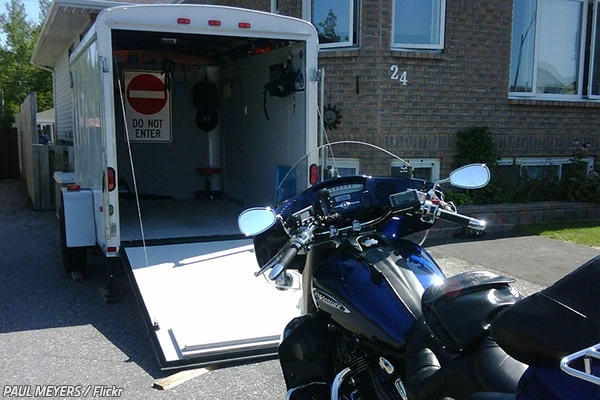
Moving a motorcycle isn’t like tossing a lamp in a box, it’s a prized possession, a blend of metal, power, and personal pride Miami Moving Company. Whether it’s a sleek sport bike, a burly cruiser, or a rugged dirt bike, getting it from point A to point B without a scratch takes planning and muscle. Done wrong, you’re looking at dents, leaks, or worse. Here’s how to pack and transport your motorcycle for a move, ensuring it rolls into your new digs as pristine as it left.
1. Prep the Bike Before Packing
Start with a tune-up. Check tires, brakes, and fluids oil, coolant, brake fluid, so it’s road-ready post-move. Drain the fuel tank to a quarter or less; full tanks risk spills, empty ones can dry out seals. Disconnect the battery (remove it if it’s a long haul) to avoid shorts or corrosion. Clean the bike, mud or grime hides damage and adds weight. Take pics of every angle for insurance or proof it left in top shape.
2. Gather the Right Gear
You’ll need muscle and materials. Stock up on a motorcycle ramp or lift, tie-down straps (ratchet-style, 1,500-lb rating minimum), a wheel chock, moving blankets or foam padding, stretch wrap, and a sturdy crate or pallet if boxing it. A motorcycle cover (breathable, not plastic) wards off dust. For transport, a pickup truck bed, trailer, or flatbed works, U-Haul rents motorcycle trailers cheap. Skip flimsy bungees; this job demands pro-grade hold.
3. Secure Vulnerable Parts
Protect what’s exposed. Wrap handlebars, mirrors, and levers in foam or bubble wrap, tape it snug but not tight. Fold mirrors in or remove them; loosen and pad foot pegs if they detach. Cover the exhaust with a rag or cap to block debris. For the tank and fenders, layer moving blankets scratches here hurt the most. Stretch wrap over padding keeps it all in place without gumming up paint. The goal? Zero rattles, zero rubs.
4. Load It Right
Getting the bike on the transport is a two-person job, solo’s dicey. Use a ramp rated for your bike’s weight (check the manual, most range 300–800 lbs). Roll it up slow, front wheel first, with one person guiding and another spotting. Park it in a wheel chock (bolted to the truck bed or trailer) to lock the front tire. If no chock, wedge wood blocks tight around the wheel. Center the bike weight balanced or you’ll feel it on turns.
5. Tie It Down Like a Pro
Strapping’s where it gets serious. Use four ratchet straps two front, two rear hooking to solid frame points (not handlebars or plastics). Front straps go from the triple tree or lower forks to anchor points on the transport; rear straps from the frame or swingarm. Tighten until the suspension compresses slightly about 25% so it’s firm but not strained. Tug each strap; no slack, no wobble. Double-check after a mile vibration loosens sneaky ones.
6. Crate It for Long Hauls
For cross-country moves or shipping, crate it. Buy or build a wooden motorcycle crate plywood base, framed sides, sized to your bike (add 6–12 inches clearance). Bolt a wheel chock to the base, roll the bike in, and strap it down inside. Pad the crate’s interior with foam; secure loose parts (battery, mirrors) in labeled bags. Nail or screw the lid shut, mark “Fragile” and “This Side Up.” Pros like Motorcycle Shippers can crate and haul if DIY’s not your speed.
7. Transport with Care
Driving’s the final frontier. In a truck or trailer, keep speed steady 50–60 mph max and dodge potholes; every jolt tests your straps. Chain the tailgate up if it’s a pickup. For towing, ensure the trailer’s hitch and lights work test brakes before you roll. Hiring movers? Movers Near ME Pick a motorcycle-savvy outfit (check reviews for “bike transport” wins). Unload slow ramp down, straps off one by one, roll it off with a partner.
8. Post-Move Check
At the new spot, inspect before you ride. Unstrap gently, unwrap padding, and scan for dents, leaks, or scuffs compare to your pre-move pics. Reattach the battery, top off fuel, and start it up listen for odd rattles or sputters. Test brakes and suspension; a short ride confirms it’s still your beast. Damage? File a claim fast with movers or insurance.
Final Thoughts:
Packing and transporting a motorcycle for a move blends prep, protection, and precision. Prep it, gear up, pad it, load it, strap it, crate it if needed, haul it careful, and check it after. It’s not just metal it’s your ride, your vibe. Take the time, nail the details, and your bike lands ready to roar, not repair. Hit the road right, and the only thing moving will be you on two wheels, grinning.
Relevant Searches: Compare Your Parking Deals