In the dynamic world of entrepreneurship, accessing external funding is often the stepping stone toward growth and stability. Whether you're expanding operations or managing cash flow, having your business loan documents in order significantly influences the outcome. Lenders meticulously evaluate how well you manage your records, which indirectly reflects your ability to manage finances. Organized documentation not only boosts your chances for approval but also positions you to qualify for a business loan low interest rate. Many trusted lending institutions, such as Ambit Finvest, are keen to assist enterprises with tailored financing solutions—especially when the paperwork speaks for itself.
Understanding Business Loan Requirements
Securing a loan begins with understanding what lenders expect. While loan offerings vary, most financial institutions request a standardized set of documents before evaluating your eligibility. These may include identity proofs, business continuity evidence, cash flow records, and tax compliance certificates. It’s also essential to distinguish between types of loans:
- Term Loans – Ideal for capital expenditures or expansion
- Working Capital Loans – For managing day-to-day operations
- Fast Business Loan – Designed for urgent funding with minimal paperwork
Knowing which category you fall into helps tailor your documentation accordingly.
Key Business Loan Documents You Need
When applying for a business loan, here are the essential records you'll need to compile:
- Financial Statements: Profit & Loss accounts, balance sheets, and cash flow statements covering at least the past 2-3 years.
- Tax Returns: Filed returns for both the business and individual promoters.
- Bank Statements: Typically, 6 to 12 months of recent activity.
- Ownership and Legal Documents: Partnership deeds, business registration certificates, and Memorandum of Association.
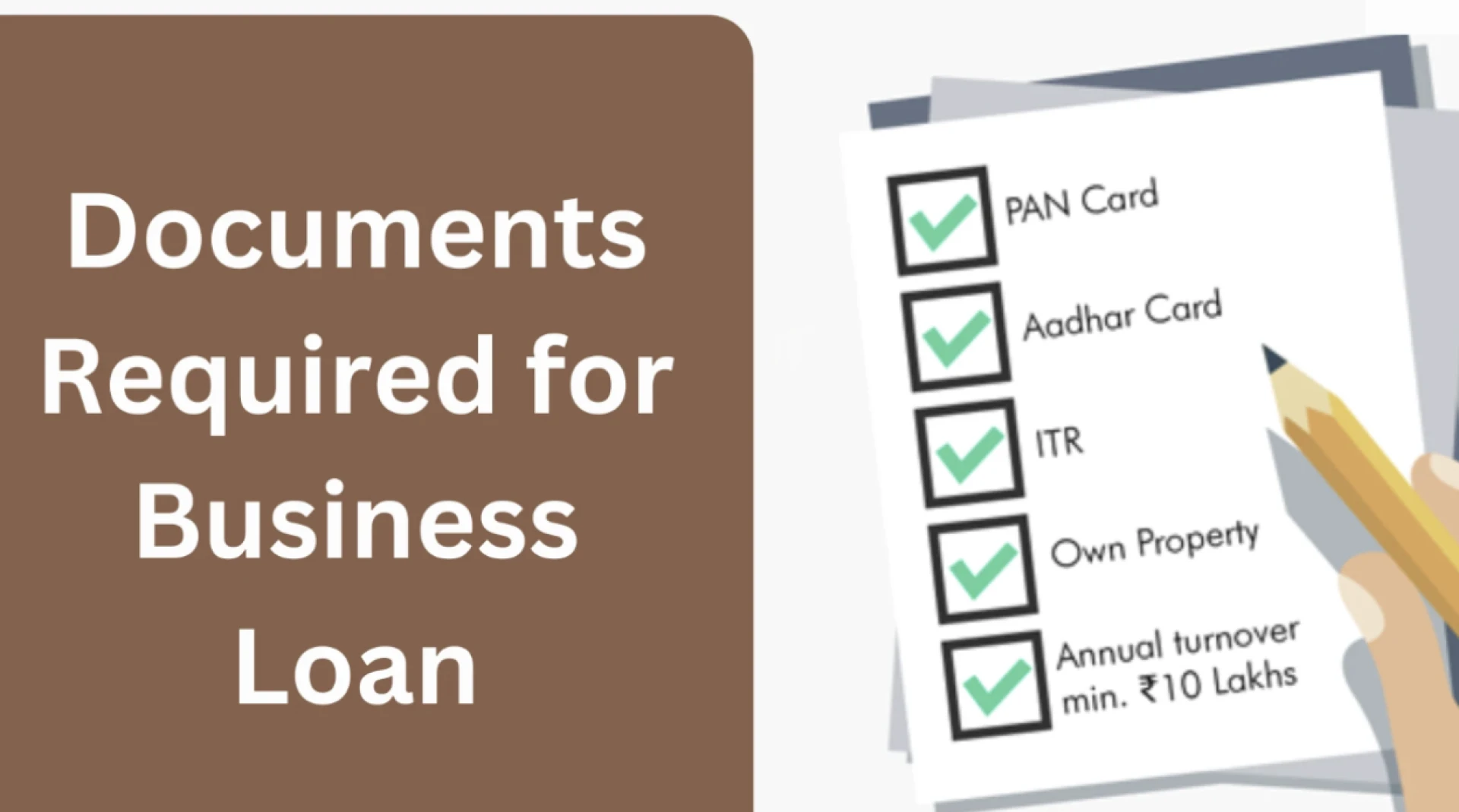
- KYC Details: PAN, Aadhaar, GSTIN, and business address proof.
These business loan documents form the backbone of your application and must reflect authenticity and up-to-date data.
Structuring Financial Statements for Clarity
Lenders favor financials that are transparent and consistent. Disorganized or contradictory statements may cause red flags during review. To optimize your financial documents:
- Use Standard Accounting Formats: Maintain consistency across all fiscal reports.
- Separate Operational and Non-Operational Expenses: This shows a clear picture of core profitability.
- Employ Accounting Tools: Software such as Zoho Books or QuickBooks not only automates entries but also provides real-time insights.
An error-free and clearly formatted statement ensures the reviewer grasps your financial health instantly, improving chances for a fast business loan.
How Personal and Business Credit Scores Affect Approval
Both personal and business creditworthiness play a pivotal role in loan approvals. A high credit score signals reliability, which could qualify you for a business loan low interest rate. Most lenders assess:
- CIBIL or Experian Score: For individual promoters
- Credit Report from Bureaus: Showcasing credit utilization, repayment history, and delinquencies
Regularly monitor your score and address any anomalies. Reducing outstanding debts and paying dues promptly can significantly boost your financial standing in the lender's eyes.
Digital Organization Tools for Business Records
Gone are the days of bulky file cabinets and hand-written ledgers. Embrace technology to streamline your record-keeping:
- Cloud Storage Platforms: Google Drive, Dropbox, or OneDrive for secure and accessible storage.
- Document Management Systems: Tools like DocuWare or Zoho Docs for categorizing and tagging documents.
- Encrypted Backup Solutions: To safeguard sensitive financial data from breaches.
Proper digital organization allows for faster retrieval, better security, and seamless collaboration, which is especially vital when pursuing a fast business loan.
Ensuring Accuracy: Cross-Verification of Documents
Even a minor inconsistency can halt your loan process. Ensure that names, amounts, dates, and signatures match across all your business loan documents. Conduct routine internal audits by:
- Reconciling Bank Statements: Against ledger entries.
- Reviewing GST Returns: In correlation with income statements.
- Matching Invoices and Receipts: To reported sales or expenses.
An impeccable document set reduces scrutiny and expedites processing.
Tips to Qualify for Business Loan Low Interest Rate
Lenders reward transparency, strong financials, and low credit risk with better interest terms. To secure a business loan low interest rate, consider the following:
- Maintain Healthy Cash Flow: Positive monthly net flows showcase repayment ability.
- Ensure Business Continuity: A track record of uninterrupted operations builds lender confidence.
- Leverage Reputed Lenders: Financial firms like Ambit Finvest evaluate businesses holistically and offer customized plans, often at highly competitive rates for eligible ventures.
A proactive approach in showcasing financial stability and future growth potential is crucial.
Compliance and Tax Documentation
Being tax-compliant is not optional—it’s a necessity. Proper tax filings reinforce the legitimacy of your operations. According to the Ministry of Finance, timely submission of tax returns is a prerequisite for government-supported credit schemes like CGTMSE.
Ensure the following are always updated:
- GST filings for all taxable months
- Income tax returns for the past 2-3 years
- Advance tax payments, if applicable
Tax compliance also prevents penal interest and enhances the trust quotient with lenders.
Final Checklist Before Submission
Before submitting your application, perform a thorough review. Your checklist should include:
- All financial statements and bank summaries
- Identity and business incorporation proofs
- Credit reports and tax documents
- A well-articulated business plan (if required)
- Updated contact details and authorized signatories
Don't hesitate to reach out to the lender's customer support for clarification. It’s better to address doubts in advance than face rejections later.
Conclusion
Organizing your business records meticulously is not just about ticking boxes—it's about narrating the financial story of your enterprise in a language lenders understand. With the right business loan documents, proper structuring, and reliable financial partners like Ambit Finvest, you can seamlessly navigate the loan approval process. This preparation not only accelerates your path to funding but may also qualify you for a fast business loan with a low interest rate. In an economy that rewards efficiency, your paperwork might just be your strongest asset.