
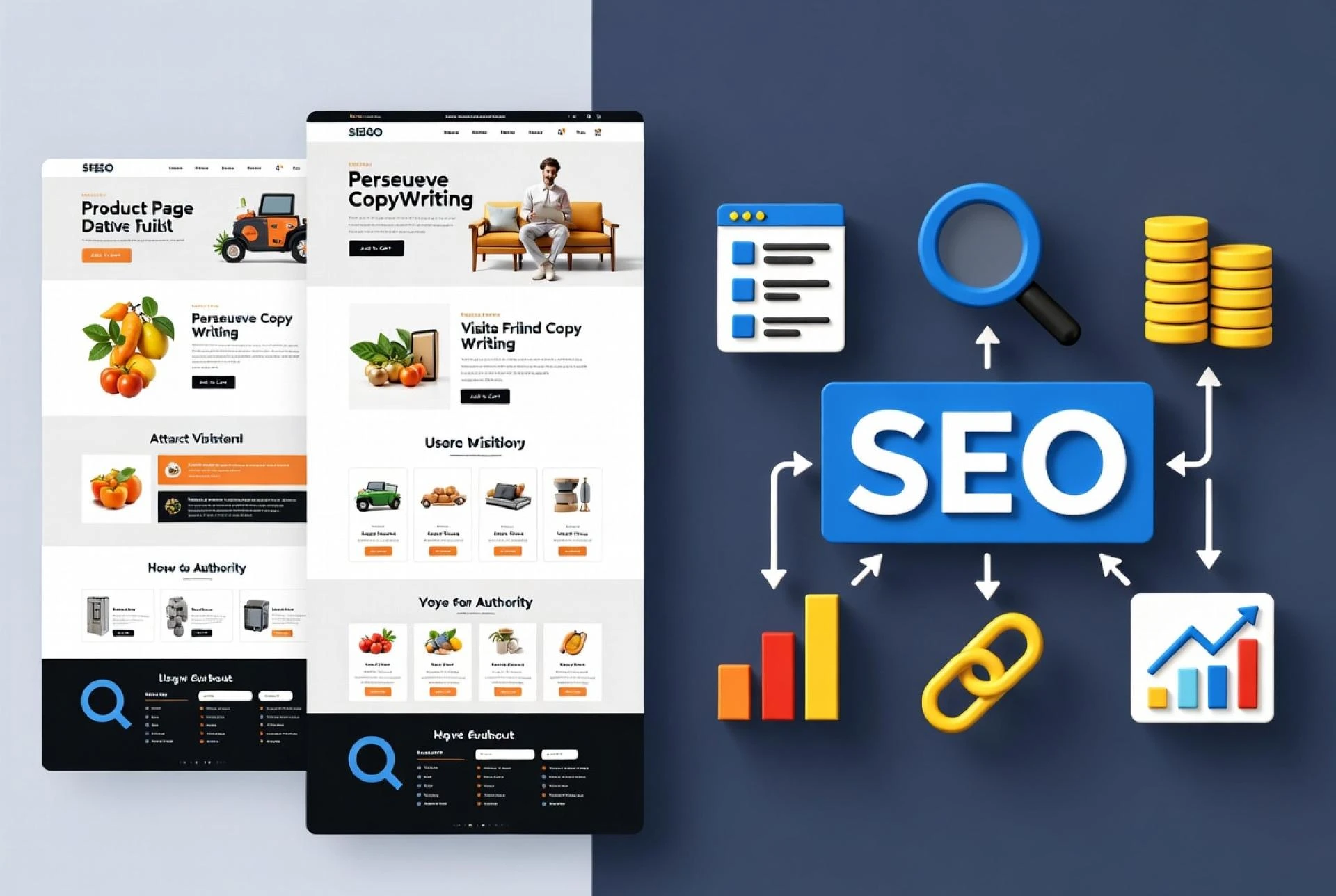
Your website’s product pages are more than just online catalogs — they are powerful tools to attract visitors, convert buyers, and build your brand authority. With millions of products competing online, search engine optimization or SEO helps your pages stand out and appear when customers search for what you sell.
By learning how to optimize product pages for Google, you can increase organic traffic, improve your click through rate, and drive consistent sales without relying heavily on paid ads.
Turn your product pages into traffic magnets with proven SEO strategies that help you rank higher on Google.
Step 1: Start with Keyword Research
Before you write a single word, find out what your customers are searching for. Keyword research helps you identify the phrases people use when looking for your products.
Key actions:
- Use tools like Google Keyword Planner or Ahrefs to find long tail keywords related to your product.
- Focus on buyer intent keywords such as “buy”, “best price”, or “affordable”.
- Add semantic keywords and variations that describe your product’s features and benefits.
Example: If you sell handmade candles, target keywords like soy wax candles, natural scented candles, and aromatherapy candles instead of only “candles.”
Proper keyword optimization helps Google understand what your page is about and match it with relevant search queries.
Step 2: Write SEO Friendly Product Titles
Your product title is one of the most important ranking elements on a page. A clear, descriptive, and keyword-rich title tells both users and Google what your product offers.
Tips for strong titles:
- Include your primary keyword near the beginning.
- Keep it short, natural, and easy to read.
- Avoid keyword stuffing or unnecessary words.
- Mention specific attributes such as size, color, or brand when relevant.
Example: Organic Lavender Soy Candle 8 oz | Hand Poured in Pakistan
An optimized title increases visibility on Google Search and improves click through rates.
Step 3: Craft Compelling Product Descriptions
A great product description serves both the search engine and the customer. It explains features, benefits, and value while including your target keywords naturally.
Checklist for effective descriptions:
- Start with the main benefit your product delivers.
- Include relevant secondary keywords and product attributes.
- Use bullet points for readability.
- Avoid duplicate content across multiple pages.
Example:
This organic lavender soy candle provides a calming scent for homes and spas. Made with natural ingredients, it burns longer and cleaner for a soothing experience.
High-quality, unique content helps your page rank better and increases conversion rates.
Step 4: Optimize Product Images for SEO
Images play a huge role in product discovery and conversions. Optimizing them ensures that your pages load quickly and appear in Google Images search results.
Image optimization tips:
- Use high-resolution images but compress them for speed.
- Rename image files using descriptive keywords such as “organic-lavender-soy-candle.jpg”.
- Add alt text that clearly describes the product and includes relevant SEO keywords.
- Include multiple image angles to build trust with buyers.
Proper image SEO not only improves ranking but also enhances user experience and page performance.
Step 5: Use SEO Friendly URLs
Your product URLs should be short, descriptive, and keyword-focused. A clean URL structure helps both users and search engines understand your content.
Example:
www.yourstore.com/organic-lavender-soy-candle
Avoid unnecessary words or parameters. Simple and readable URLs improve your crawlability and indexing in Google.
Step 6: Add Structured Data Markup
Structured data or schema markup helps Google display rich results for your products, such as price, ratings, and availability. This can increase your visibility in search snippets and attract more clicks.
You can use Product Schema to include:
- Product name
- Description
- Price and availability
- Customer ratings and reviews
Adding structured data improves your search appearance and can lead to higher conversions.
Step 7: Encourage Customer Reviews
Customer reviews provide powerful social proof and fresh content that supports your SEO ranking. Google values authentic reviews as part of your page’s credibility signals.
Best practices for reviews:
- Encourage buyers to leave honest feedback.
- Display ratings and testimonials clearly.
- Respond to both positive and negative reviews to show engagement.
Reviews improve trust, boost click through rates, and increase local SEO visibility if your business also has a Google Business Profile.
Step 8: Improve Page Speed and Mobile Experience
Google prioritizes fast, mobile-friendly pages. A slow-loading product page can increase bounce rates and lower your rankings.
Tips for better performance:
- Compress images and use modern formats like WebP.
- Minimize scripts and third-party plugins.
- Use mobile responsive design for all devices.
- Test your speed using Google PageSpeed Insights.
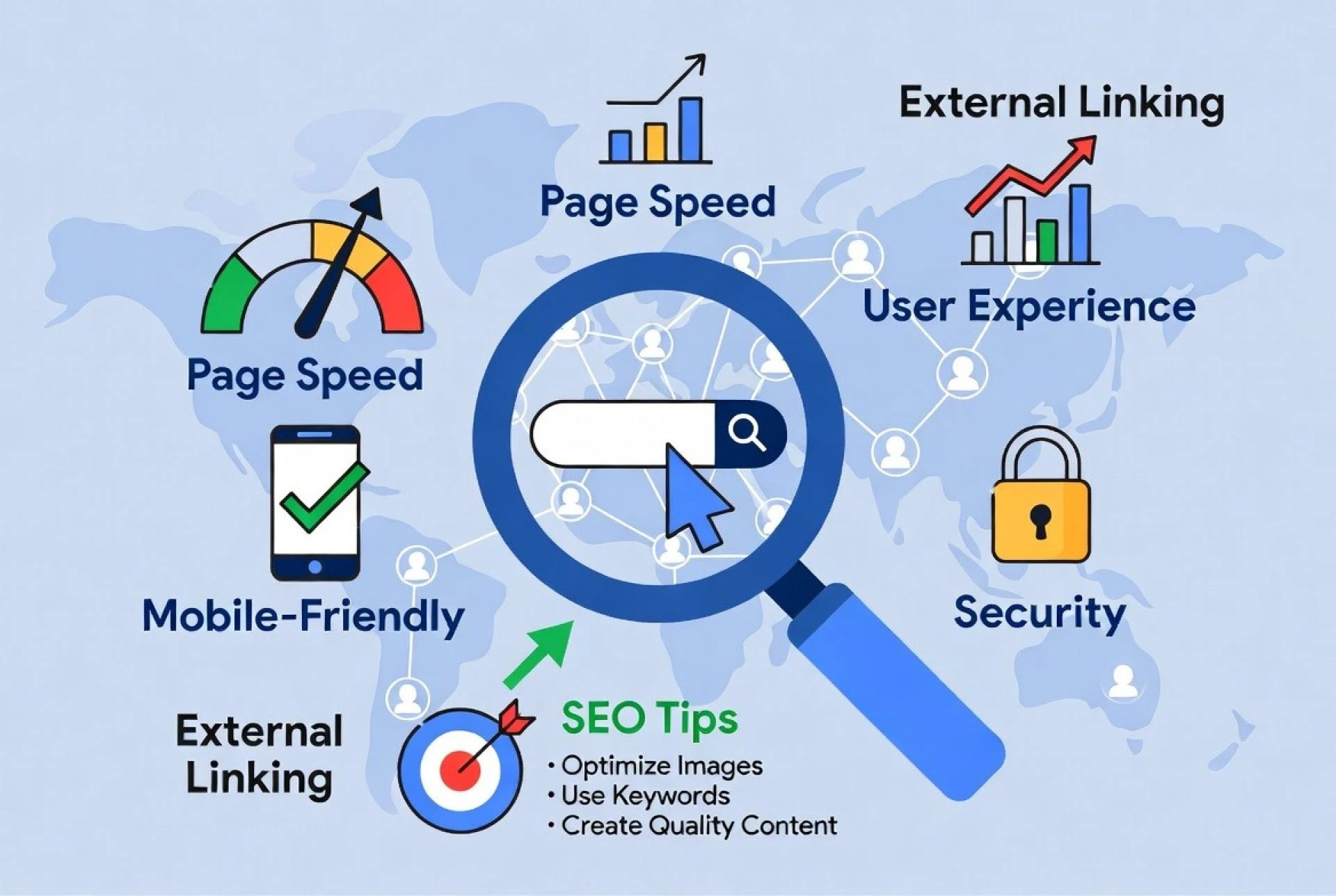
A fast, smooth experience helps retain customers and strengthens your SEO performance.
Step 9: Link Internally and Externally
Use internal links to connect product pages with related items, blog posts, or categories. This helps users discover more products and allows Google to understand your site structure.
Also, add external links to credible sources, such as manufacturers or certifications. This builds trust and signals authority.
Example: Link your scented candles page to your home decor blog or gift ideas section to keep visitors engaged longer.
Step 10: Track and Refine Your SEO Results
After optimizing your pages, monitor their performance using tools like Google Analytics and Google Search Console.
Track these metrics:
- Organic traffic growth
- Keyword rankings
- Conversion rates
- Bounce rate and dwell time
Use this data to improve product descriptions, keywords, and visuals continuously. SEO is an ongoing process that rewards consistent updates and testing.
Conclusion
Optimizing your product pages for Google helps you reach buyers who are actively searching for what you sell. From smart keyword usage and structured data to faster load times and customer reviews, every element plays a role in visibility and conversions.
Investing in product page SEO ensures that your small business competes effectively and turns online searches into real sales. Start today by reviewing your pages, refining your content, and applying these strategies to get found by customers who are ready to buy.
Boost your eCommerce sales with professional SEO services that make every product easier to find online.
FAQ’s
1. What is product page optimization?
It is the process of improving your product pages to rank higher on Google Search and increase conversions.
2. Why is SEO important for online products?
SEO helps your products get discovered by potential buyers, driving more organic traffic and sales.
3. How long does it take to see results?
Most businesses notice improved rankings and visibility within four to six weeks after optimization.
4. Can you optimize my existing product pages?
Yes, our team enhances your current listings by improving keywords, images, and descriptions for better Google performance.