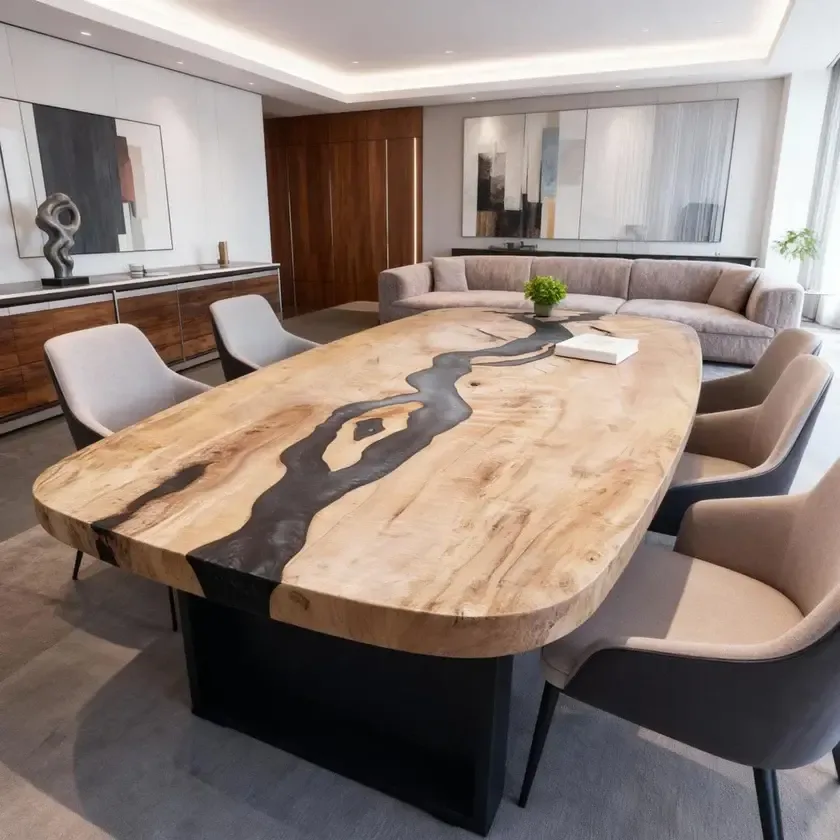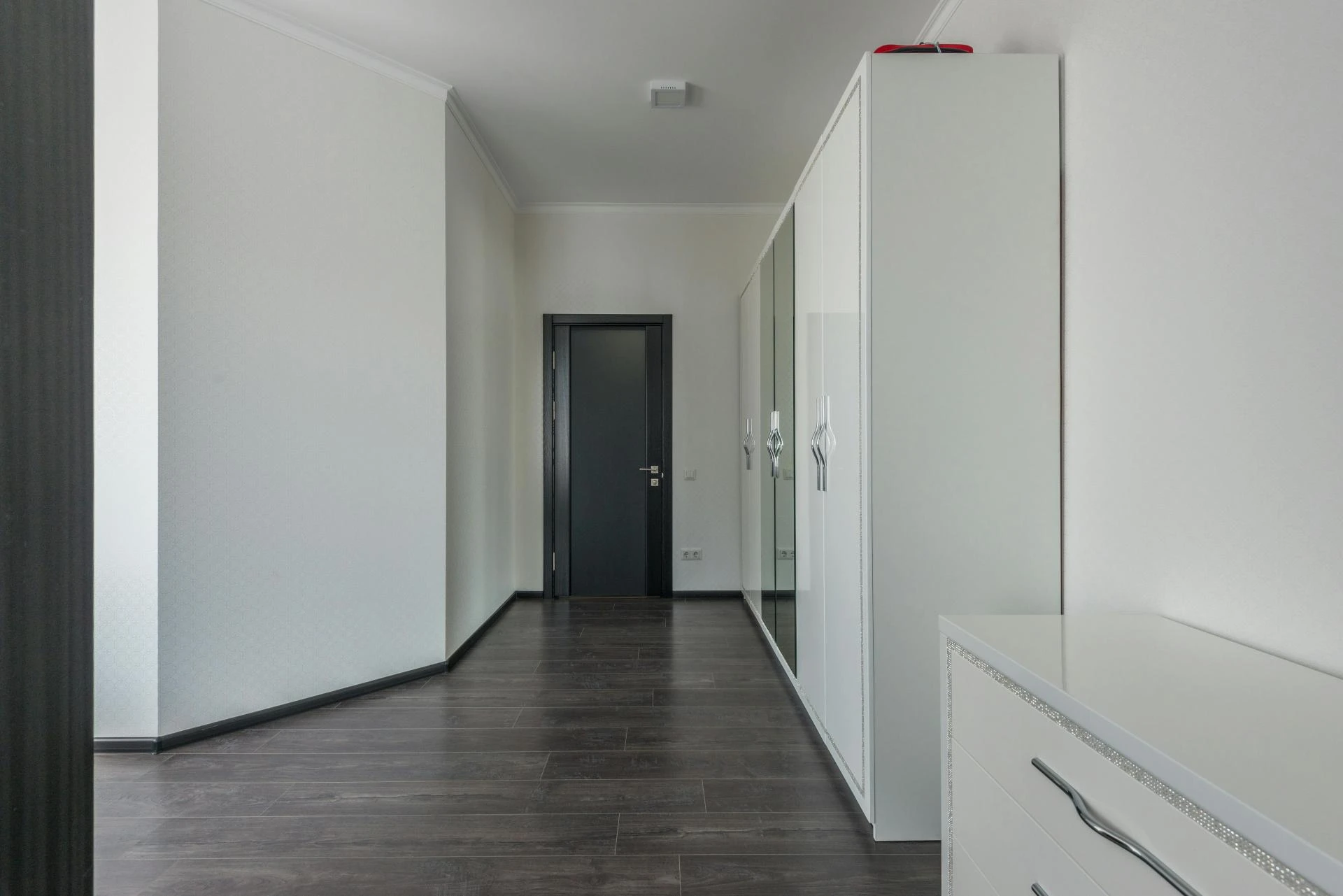
Mixing cabinet door styles can give your kitchen, bathroom, or laundry room a unique personality and visual interest. However, without careful planning, combining different styles can quickly feel chaotic or mismatched. The key is balance, cohesion, and intentional design. In this guide, we’ll explore practical tips for successfully blending cabinet door styles while maintaining a harmonious look.
Why Mix Cabinet Door Styles?
Many homeowners assume all cabinets in a space should match. While uniformity can be classic and timeless, mixing cabinet door styles can:
- Add visual interest: Different textures, panel designs, or finishes can prevent your space from looking flat.
- Highlight specific areas: You can draw attention to focal points like an island or a display cabinet.
- Accommodate functionality: Different styles may suit various purposes—for example, glass-front doors for display and solid panels for storage.
By thoughtfully combining cabinet door styles, you can create a space that feels custom, layered, and modern.
Choosing Complementary Cabinet Door Styles
Not all cabinet door styles work well together. Here are some strategies to ensure your choices complement rather than clash:
1. Stick to a Cohesive Color Palette
Color is a simple way to unify different cabinet door styles. If your doors vary in style, keeping them in the same color family ensures cohesion. For example:
- Pair a shaker-style door on the perimeter with a flat-panel door on an island, all in a consistent white or gray.
- Mix natural wood tones, but maintain similar undertones (warm oak with honey maple, for example).
Color consistency creates a visual thread that makes multiple cabinet door styles feel intentional rather than accidental.
2. Balance Complexity
Some cabinet door styles are more ornate, while others are minimalist. When mixing, aim for balance:
- Combine a more detailed raised-panel door with a simple flat-panel on the kitchen island.
- Avoid placing multiple ornate styles together, which can overwhelm the space.
A good rule of thumb: let one style take the spotlight, while the other serves as a supporting player.
3. Match Proportions and Scale
Proportions can make or break a mixed-style design. Pay attention to the size of door panels, drawer fronts, and frame widths. For example:
- Large doors with small, detailed panels may look out of scale.
- If your perimeter cabinets have wide shaker panels, consider narrower panels or flat fronts on islands or upper cabinets to create visual variety without feeling chaotic.
Maintaining proportional harmony ensures the styles complement each other naturally.
Popular Ways to Mix Cabinet Door Styles
Here are some of the most effective ways to mix cabinet door styles in modern and traditional kitchens:
1. Island vs. Perimeter Cabinets
A popular trend is using two different styles in one space:
- Perimeter cabinets: Stick with classic shaker or raised-panel doors.
- Island cabinets: Opt for a more contemporary style, like flat-panel or slab doors, to create contrast.
This approach draws attention to the island as a focal point without overwhelming the space.
2. Upper vs. Lower Cabinets
Different styles for upper and lower cabinets can add depth:
- Upper cabinets with glass-front doors can create openness.
- Lower cabinets with solid shaker doors provide a grounded, practical base.
This mix maintains functionality while adding visual layers.
3. Open Shelving Integration
Incorporating open shelving with closed cabinets allows for style variation:
- Use framed cabinet door styles for the closed storage.
- Pair with floating shelves for an airy, modern touch.
This method highlights your decorative items while keeping the overall design cohesive.
4. Accent Cabinets
Consider using a unique cabinet style for a small area to make a statement:
- A hutch, pantry, or corner cabinet in a contrasting style can become a focal point.
- Keep the surrounding cabinets simple to avoid visual clutter.
Accent cabinets can also feature a different finish or material to stand out subtly.
Tips for Harmonizing Mixed Cabinet Styles
Even when you select complementary cabinet door styles, a few design strategies can help tie the space together:
1. Use Consistent Hardware
Handles, knobs, and pulls are like the jewelry of cabinetry. Choosing consistent hardware across different styles of doors creates cohesion. Whether you go for matte black, brushed nickel, or brass, uniform hardware links the different styles visually.
2. Maintain a Unified Material
Wood species, paint finishes, and laminates affect the perception of style. Even if doors have different panel designs, using the same wood type or paint finish can unify them. This is particularly important in kitchens where materials and finishes dominate the visual experience.
3. Repeat Design Elements
Repeating elements like a frame profile, door edge, or inset panel in multiple areas can subtly link different cabinet door styles. For example, shaker doors and flat-panel doors with a matching edge profile create harmony even though the central panel differs.
4. Consider Symmetry and Layout
Visual balance is crucial. Even with different cabinet door styles, symmetrical layouts feel intentional and pleasing. Avoid randomly placing different styles without thought; plan the arrangement carefully so each design complements its neighbors.
Mistakes to Avoid
When mixing cabinet door styles, there are common pitfalls:
- Too many variations: Stick to two or three styles at most to avoid visual chaos.
- Clashing colors or finishes: Ensure color undertones and finishes harmonize.
- Ignoring function: Don’t sacrifice usability for style. A visually stunning cabinet that’s hard to use defeats the purpose.
Planning ahead and considering both aesthetics and practicality ensures a successful outcome.
Final Thoughts
Mixing cabinet door styles doesn’t have to be intimidating. With thoughtful design, color coordination, proportion consideration, and consistency in hardware and materials, you can create a space that feels dynamic, layered, and visually appealing.
Remember, the goal is cohesion through contrast—not chaos. Start with a clear vision, and let your cabinet door styles complement each other rather than compete. By following these tips, you can craft a kitchen, bathroom, or any cabinetry space that is stylish, functional, and uniquely yours.