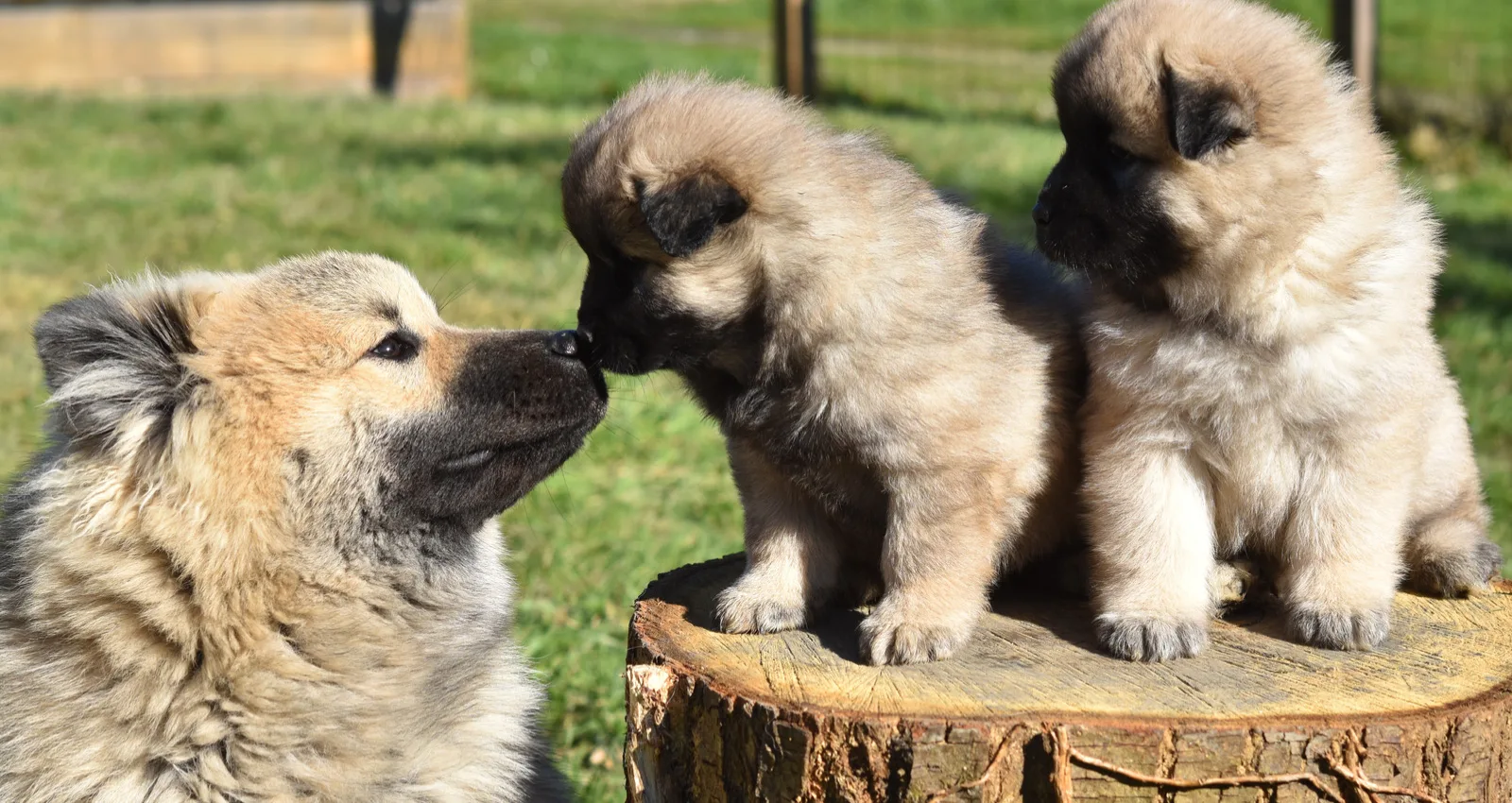
Shedding is a normal part of a puppy's growth. As puppies get older, their soft baby coat slowly changes into an adult coat. During this time, you may notice loose hair on your floors, furniture, clothes, and bedding. Some puppies shed only a little, while others lose more hair as their new coat develops.
Although shedding cannot be stopped completely, the right grooming routine can help manage loose hair and keep your puppy's coat clean and healthy. Regular brushing, proper bathing, good food, and gentle coat care can make a big difference.
Understanding how shedding changes with age will help you choose the right care for your puppy. With suitable Puppy Grooming Brisbane services and regular home care, you can keep your puppy comfortable throughout every stage of growth.
Why Do Puppies Shed Their Hair?
Puppies shed hair for different reasons, but one of the main reasons is the change from their soft puppy coat to their adult coat. As new hair grows, older hair falls out naturally.
The amount of shedding depends on the puppy's breed, coat type, age, health, and the weather. Puppies with short coats may lose less visible hair, while those with thick or double coats may shed more.
Some puppies also experience seasonal shedding when the weather changes. This is a natural process that helps their coats adjust to different temperatures.
How Shedding Changes During Different Growth Stages
A puppy's coat changes as it grows. Knowing what happens at each stage can help you follow a suitable grooming routine.
1. Early Puppy Stage: Birth to 3 Months
During the first three months, puppies usually have soft and fluffy coats. They generally do not shed much hair at this age because their baby coat is still developing.
The main focus during this stage should be making your puppy comfortable with grooming. Use a soft brush or grooming mitt to remove small amounts of loose hair. Keep grooming sessions short and gentle so your puppy does not become frightened.
Bathing should only be done when needed. Always use a mild puppy-safe shampoo because young puppies have sensitive skin.
2. Puppy Coat Change: 3 to 6 Months
Between three and six months, many puppies begin losing their soft baby coat. Their adult hair starts growing, and you may notice more loose hair around your home.
Regular brushing becomes important during this period. Brush your puppy two or three times a week to remove loose hair and prevent tangles. Puppies with longer coats may need brushing more often.
Choose a brush that suits your puppy's coat. Avoid pulling the hair or brushing too roughly, as this can hurt the skin.
This is also a good time to introduce basic grooming habits, such as checking the paws, cleaning around the face, and getting your puppy comfortable with nail care.
3. Growing Adult Coat: 6 to 9 Months
Between six and nine months, your puppy's coat may become thicker and develop a different texture. Some puppies also experience more shedding as their adult coat continues to grow.
Loose hair can become trapped in longer coats, which may lead to knots and tangles. Regular brushing helps remove this hair and keeps the coat neat.
During this stage, you should focus on:
- Brushing regularly to remove loose hair.
- Using suitable grooming tools for the coat type.
- Bathing when needed with a gentle dog shampoo.
- Drying the coat properly after bathing.
- Checking for knots around the ears, legs, and tail.
Professional Puppy Grooming Brisbane services can also help maintain your puppy's coat during this growth stage. A groomer can suggest suitable grooming methods based on your puppy's needs.
4. Adult Coat Development: 9 to 12 Months
As puppies get closer to their first birthday, their adult coat becomes more developed. However, the time needed for this change can vary between breeds.
Some dogs shed throughout the year, while others lose more hair during seasonal changes. Regular brushing helps remove loose hair and spread natural oils through the coat.
Pay extra attention to areas where hair can become tangled, such as behind the ears, under the legs, around the neck, and near the tail.
Your puppy may also need regular trimming and professional coat care depending on its breed and hair type. A suitable Puppy Grooming Brisbane routine can help keep the coat clean and comfortable as your puppy grows.
How Breed and Coat Type Affect Shedding
Not all puppies shed the same amount. Their breed and coat type play an important role in how much hair they lose and how often they need brushing.
| Coat Type | Shedding Pattern | Grooming Needs |
| Short coat | Low to moderate shedding | Weekly brushing |
| Long coat | Loose hair and tangles | Frequent brushing |
| Double coat | Heavier seasonal shedding | Regular brushing |
| Curly coat | Loose hair gets trapped | Frequent brushing and trimming |
| Wire coat | Varies by breed | Coat-specific care |
Short-haired puppies are usually easier to maintain, but they still need regular brushing. Long-haired puppies need more attention because their hair can become tangled.
Curly-coated puppies may not leave much hair around the house, but loose hair can remain trapped in their coats. This makes regular grooming important.
Simple Ways to Manage Puppy Shedding at Home
You do not need an expensive or complicated routine to manage your puppy's shedding. A few simple habits can help keep the coat in good condition.
Brush Your Puppy Regularly
Brushing is one of the easiest ways to remove loose hair. It also helps prevent knots and keeps the coat looking neat. Choose a brush according to your puppy's hair type and always use gentle movements.
Follow a Suitable Bathing Routine
Bathing helps remove dirt, loose hair, and unwanted smells. However, frequent bathing can make your puppy's skin dry. Use a puppy-safe shampoo and rinse the coat properly. Make sure the hair is completely dry after bathing.
Provide Healthy Food
A balanced diet supports healthy skin and coat growth. Puppies need enough protein, healthy fats, vitamins, and minerals as they develop. Choose suitable food for your puppy's age and ask a veterinarian if you have concerns about its diet.
Keep Your Puppy Hydrated
Make sure fresh drinking water is always available. Good hydration supports your puppy's overall health and helps maintain normal skin function.
Keep Your Home Clean
Vacuum floors, wash bedding, and clean your puppy's favourite resting areas regularly. This helps control loose hair and keeps your home fresh.
How Professional Grooming Helps Manage Shedding
Home grooming is important, but professional grooming can provide extra care for your puppy's coat. A groomer can remove loose hair, manage tangles, clean the coat, and check areas that may need attention.
Depending on your puppy's needs, grooming services may include bathing, brushing, drying, nail trimming, and hygiene care.
Professional grooming also helps puppies become familiar with grooming tools and handling. Starting with gentle experiences can make future grooming visits easier.
When choosing Puppy Grooming Brisbane, look for a service that understands different coat types and handles puppies with patience and care. At Woof Society, grooming is approached with attention to each puppy's comfort and individual needs.
When Is Puppy Shedding a Problem?
Some hair loss is normal, especially when puppies begin developing their adult coats. However, sudden or unusual hair loss may need attention.
Watch for signs such as:
- Bald patches or uneven hair loss.
- Red or irritated skin.
- Frequent scratching or licking.
- Flaky skin, sores, or swelling.
These signs may be linked to allergies, parasites, skin infections, or other health problems. If you notice these changes, speak with a veterinarian rather than treating the problem with grooming products alone.
Frequently Asked Questions
1. At What Age Do Puppies Start Shedding?
Most puppies begin losing their soft baby coat between three and six months of age. However, the timing depends on their breed and coat type. Some puppies shed gradually, while others experience more noticeable hair loss.
2. How Often Should I Brush My Puppy?
Most puppies need brushing two or three times a week. Puppies with long, thick, or curly coats may need daily brushing to prevent tangles. Always choose a suitable brush and use gentle movements.
3. Does Bathing Help Reduce Puppy Shedding?
Bathing helps remove loose hair, dirt, and dead skin from your puppy's coat. However, it cannot stop natural shedding. Use a gentle puppy-safe shampoo and avoid frequent bathing to protect the skin's natural oils.
4. Is Heavy Shedding Normal in Young Puppies?
Increased shedding can be normal when puppies change from their baby coat to their adult coat. However, bald patches, redness, and constant itching are not normal signs. Contact a veterinarian if you notice these problems.
5. When Should I Start Professional Puppy Grooming?
You can introduce gentle grooming during the early puppy months. The right time for a professional appointment depends on your puppy's age, health, and vaccination status. Speak with your groomer or veterinarian before booking the first session.
Conclusion
Managing puppy shedding becomes easier when you understand how your puppy's coat changes as it grows. Regular brushing, proper bathing, healthy food, and good hygiene can help remove loose hair and maintain a clean, healthy coat.
Remember that every puppy is different, so its grooming needs may change with age, breed, and coat type. If you need professional Puppy Grooming Brisbane, Woof Society offers personalised grooming care with a calm and gentle approach. With the right care at every growth stage, you can help your puppy enjoy a comfortable and healthy coat.