Pumping clean water is a relatively predictable task, but many industrial and wastewater applications involve fluids that behave very differently. Sewage, contaminated water, fluids containing solids and process liquids can create challenges that require more than standard pumping solutions.
In these environments, pump performance depends on how well the equipment matches the characteristics of the fluid being handled. Factors such as solids content, viscosity, operating conditions and installation requirements influence the suitability of the pumping technology.
Rather than selecting a pump based only on flow capacity, successful applications require understanding the complete operating environment and choosing equipment designed for the specific challenge.
Why Difficult Fluids Require Specialised Pumping Approaches
Fluids handled in wastewater and industrial applications are rarely uniform. Their characteristics can change depending on the source, process conditions and operating environment.
Wastewater systems may involve suspended solids, variable flow patterns and continuous operation requirements. Industrial applications may involve fluids that require careful transfer due to their composition or handling conditions.
These challenges can affect:
- Pump reliability
- Transfer efficiency
- Maintenance requirements
- Overall system performance
A pumping solution that works effectively in one application may not provide the same results in another. Understanding the behaviour of the fluid is therefore an important part of pump selection.
Managing Wastewater and Sewage Transfer Requirements
Wastewater pumping systems must handle demanding operating conditions while maintaining reliable movement of sewage and contaminated fluids.
Unlike clean water applications, wastewater systems may contain solids and materials that influence pump performance. The equipment needs to support consistent operation while managing the characteristics of the fluid being transferred.
Sewage pumps are commonly used in applications where reliable wastewater movement is required across collection, transfer and treatment systems.
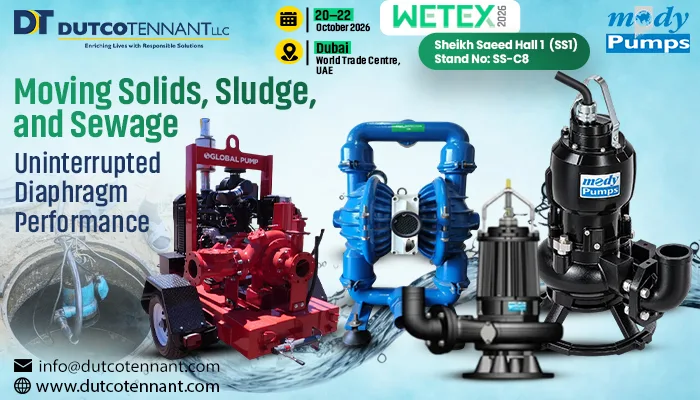
Mody Sewage Pumps support wastewater applications where dependable transfer performance is required.
The effectiveness of a wastewater pumping system depends on how well the pump matches the operating requirements, including the nature of the fluid, system configuration and expected duty conditions.
When Air-Operated Technology Provides Greater Flexibility
Some fluid transfer applications require a pumping approach that can adapt to changing conditions, especially where electrical power availability, fluid characteristics or installation flexibility are important considerations.
Air operated diaphragm pumps use compressed air to create pumping action, making them suitable for applications where controlled fluid transfer is required.
These pumps are often considered for industrial environments where different fluids may need to be handled under varying operating conditions.
Mody Air Operated Diaphragm Pumps support applications involving fluid transfer requirements where flexibility and reliable operation are important.
The selection of an air-operated diaphragm pump depends on the characteristics of the fluid, the required transfer conditions and the operating environment.
Supporting Heavy-Duty Fluid Movement in Challenging Environments
Some pumping applications involve water containing debris, solids or materials that require robust handling capability.
Construction sites, temporary transfer operations and demanding industrial environments may require pumping equipment designed for challenging conditions.
Trash pumps provide a solution for applications where handling larger particles and difficult fluids is an important requirement.
The 6GST Sea Mount Global Standard Trash Pump supports heavy-duty pumping applications where reliable fluid transfer is required in demanding environments.
Selecting this type of pumping solution requires understanding the operating conditions, fluid characteristics and installation requirements of the application.
Choosing Pump Technology Based on Application Conditions
The most suitable pump is determined by more than the required flow rate. The characteristics of the fluid and the conditions under which the pump operates influence the overall performance of the system.
A wastewater transfer application, chemical handling process and heavy-duty water movement requirement may each require different pumping approaches.
Understanding the application helps determine the right balance between:
- Fluid behaviour
- Operating requirements
- Installation conditions
- Maintenance expectations
This application-based approach helps avoid selecting equipment based only on general specifications and supports more reliable long-term operation.
As wastewater and industrial fluid handling requirements continue to become more diverse, selecting pumping technology according to actual operating conditions is becoming increasingly important. These challenges will be reflected at WETEX 2026, where Dutco Tennant LLC will participate at Sheikh Saeed Hall 1 (SS1), Stand SS-C8, with solutions supporting wastewater pumping, fluid transfer and infrastructure applications.
Improving Fluid Handling Reliability Through Better Pump Selection
Pumping technology plays an important role in maintaining reliable wastewater and industrial processes.
From sewage transfer and wastewater movement to specialised fluid handling applications, each pump type serves a specific operational purpose.
By understanding fluid characteristics and selecting technology according to application requirements, infrastructure teams can develop pumping systems that support reliable operation, easier maintenance and long-term performance.