In the film industry, first impressions can determine whether your script gets read or rejected. Producers, agents, and script readers often sift through hundreds of submissions every month, and a script that looks sloppy can quickly find its way to the discard pile. A polished, professional-looking screenplay not only captures attention but also communicates that the writer respects industry standards and understands the craft. The way your script looks can be just as important as the story it tells.
Understanding Industry Expectations
Before you send your screenplay to a producer or contest, it’s crucial to understand what “professional” means in the industry. Executives and readers expect scripts to follow consistent formatting rules because it makes the document easy to read and scan for pacing, dialogue, and structure. These expectations aren’t arbitrary they help ensure clarity and flow. When a script follows these standards, the reader can focus on the story rather than the presentation. For beginners, applying consistent screenplay formatting tips can dramatically improve how their work is perceived and received.
Key Formatting Rules Every Writer Should Follow
Professional formatting helps the reader visualize the story as it unfolds on screen. Here are some of the most important rules to follow before submission:
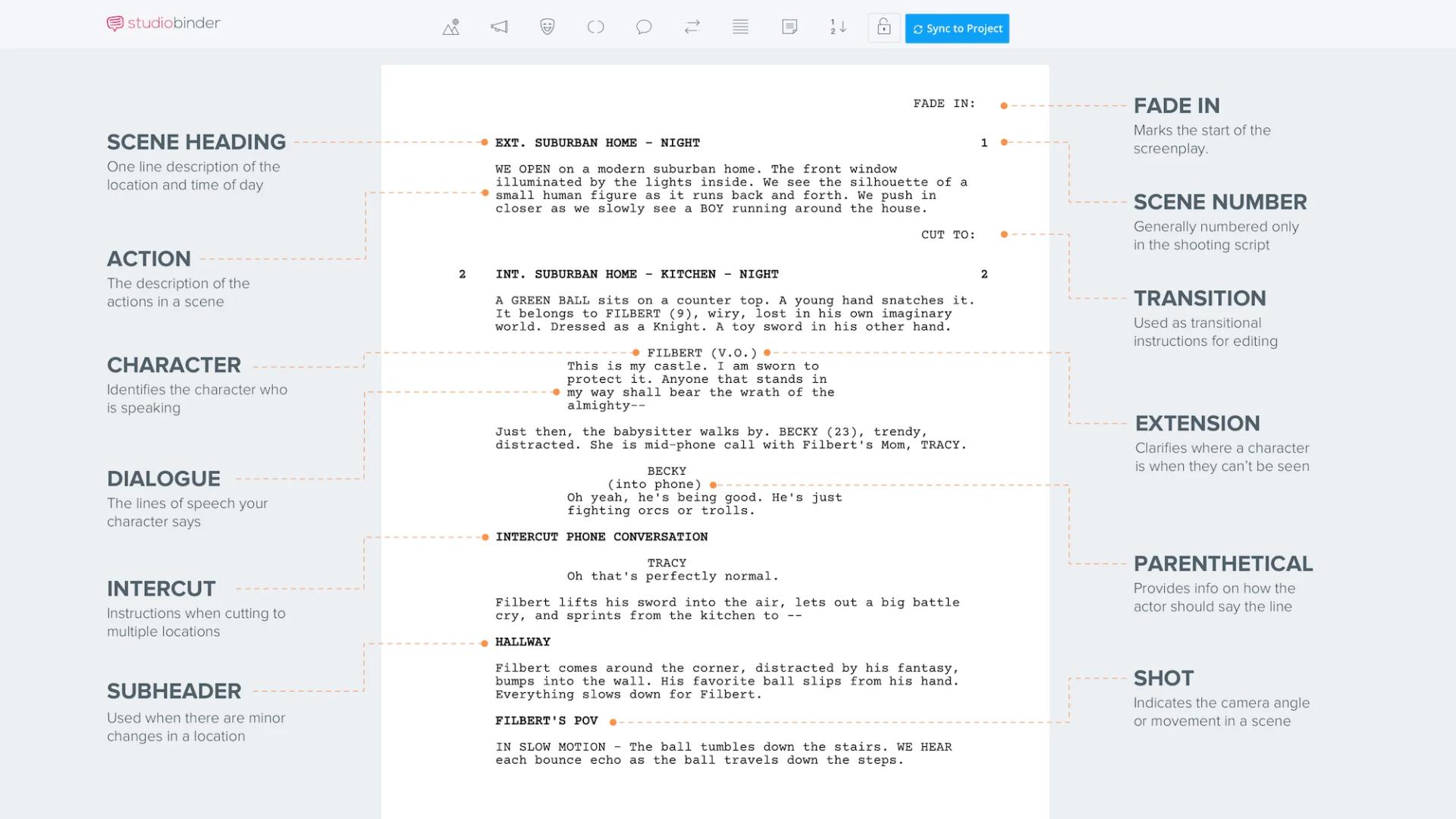
- Page Layout: Use 12-point Courier font, one-inch margins on all sides, and aim for about one page per minute of screen time.
- Scene Headings (Sluglines): Always start with INT. or EXT. followed by the location and time of day (e.g., INT. COFFEE SHOP – MORNING). This helps production teams plan shoots efficiently.
- Action Lines: Keep descriptions short, active, and visual. Avoid overloading readers with unnecessary detail.
- Dialogue Formatting: Character names should be centered and in all caps above their lines. Keep dialogue natural, concise, and aligned with each character’s voice.
- Transitions: Use transitions sparingly (like CUT TO: or FADE OUT.) and only when necessary for pacing or emphasis.
Following these standards creates a rhythm that feels familiar to readers and keeps your story flowing smoothly.
Tools That Simplify the Formatting Process
You don’t have to format everything manually. Screenwriting software makes it easy to focus on creativity instead of layout. Programs such as Final Draft, Celtx, and WriterDuet automatically handle margins, spacing, and alignment for dialogue and scene headings. These tools often include templates for film, TV, and short scripts, ensuring you meet professional expectations every time.
For writers who prefer flexibility, free alternatives like Trelby or Fade In offer great functionality without the high price tag. Investing in the right software can save hours of reformatting and prevent small mistakes that can cost you credibility.
The Importance of Proofreading and Polishing
Even with perfect formatting, a script full of typos or inconsistencies can appear amateurish. Proofreading your screenplay is a non-negotiable step before submission. Start by checking grammar, punctuation, and continuity. Then, read your dialogue aloud it’s one of the best ways to catch unnatural phrasing.
It’s also helpful to get feedback from other writers or professional editors. A fresh pair of eyes can spot issues you might have missed, from repeated words to unclear stage directions. Some professionals specialize in reviewing both the structure and formatting of screenplays to ensure they’re ready for production consideration. Incorporating consistent screenplay formatting tips throughout this process helps you maintain a clean, readable script that looks industry-ready.
Going Beyond Formatting: Presentation and Submission
Formatting isn’t the only factor that influences how your script is received. Presentation matters too. Always include a proper title page with your name, contact information, and the title centered on the page. For digital submissions, save your file as a PDF to preserve layout and ensure it opens correctly on all devices.
Avoid including unnecessary images, colors, or unconventional fonts these can distract from the writing itself. When submitting to contests or agents, carefully follow their individual guidelines. Some may require specific file naming conventions or page counts. A clean, professional presentation reflects your attention to detail and readiness to work within industry expectations.
Conclusion
Making your script look professional before submission isn’t just about aesthetics it’s about communication. A well-formatted, polished screenplay tells the reader you understand the craft and respect their time. By mastering standard layout rules, using reliable software, and applying proven formatting techniques, you’ll elevate your work above the competition. When your script looks as strong as it reads, you’re far more likely to leave a lasting impression and move one step closer to seeing your story on screen.