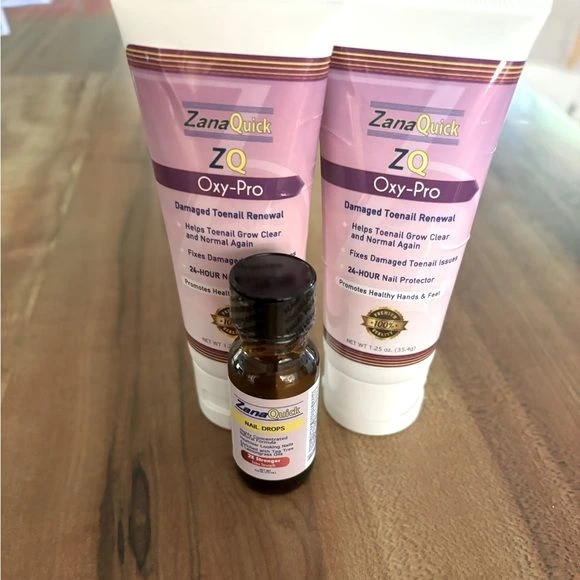
Fungus on your fingernails isn't as common as fungus on your toenails, but it may be just as annoying. It can modify how you look, make you feel lousy, and even make you less confident in social or business situations. The good news is that with the right treatment for finger nail fungus, you may stop the infection and start to return your nails back to their original, healthy state.
The good news is that with the right finger nail fungus treatment, you can stop the infection and begin restoring your nails to their natural, healthy state.
What Is Fungus on Your Nails?
Fungal infection that grows under the nail or in the skin around it is called onychomycosis, or fingernail fungus. If you don't treat it, it can expand throughout the whole nail plate, starting as a little spot under the nail. The most prevalent cause of this condition is dermatophytes, but yeast and mold can also be to blame, especially when the nails are infected.
Signs That You Might Need Help with Finger Nail Fungus
Early detection makes treatment work better and faster. Keep an eye out for these signs:
The nail could turn yellow, white, or green.
Brittle or crumbly texture
Thickening of the nails
Nail lifting or coming off the nail bed
Pain or discomfort around the nail
A strange sight or scent
If you see any of these indicators, the best way to stop more damage is to start a finger nail fungus treatment plan immediately soon.
Treatments for fingernail fungus that don't need a doctor's note
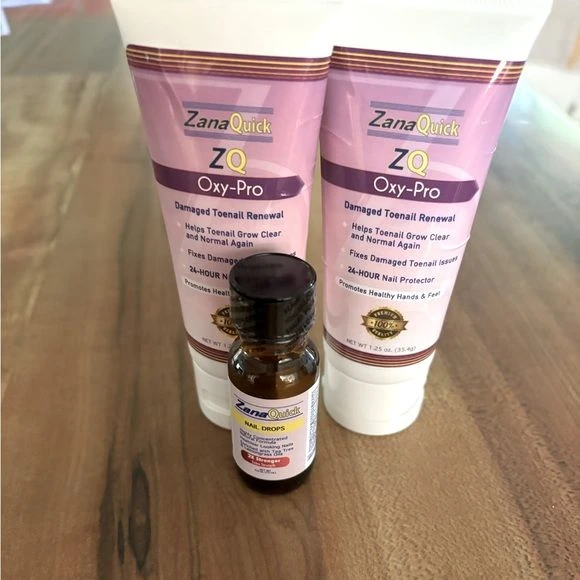
Many people with mild cases find that over-the-counter (OTC) antifungal drugs work. These options are easy to get and can help stop the infection from spreading.
Some common options that don't require a prescription are:
Antifungal nail creams that go into the nail itself
Nail lacquer with medicine in it that makes a coating that heals and protects
Tea tree oil and other natural essential oils that help combat fungus
Keep in mind that nails grow more slowly than skin, so it may take a few weeks or even months for treatments you can get without a prescription to work.
Fungal nail infections that need a prescription to be treated
Prescription medications usually perform better and faster for infections that are moderate to severe. A doctor or dermatologist can help you decide what to do next based on how serious the fungus is and what kind it is.
Here are some popular prescription options:
Oral antifungal medicines include terbinafine and itraconazole.
Prescription creams or solutions that you use on your skin that work better than over-the-counter ones
Nail polish with medicine in it that is supposed to help get rid of obstinate fungal infections
Laser therapy is a method that doesn't hurt you and employs focused light to kill the fungus.
For the best results, you can use these therapies alone or in combination. You should also continue the whole course of treatment, even if your nail appears better right away.
Fingernail Fungus Home Remedies
Some people wish to try natural therapies first, especially for small problems. These treatments are normally safe and easy to do at home, but they don't always work.
Here are some natural choices:
Use a cotton swab to put tea tree oil on your skin twice a day.
Apple cider vinegar: You can soak in it or mix it with water and apply it on right away.
Coconut oil: Keeps skin hydrated and resists fungus.
A paste comprised of water and baking soda could help destroy fungus.
Natural medications work best when you take them every day. You can also use them along with other therapies.
How to Keep from Getting Infections in the Future
You need to do things to keep fingernail fungus from coming back if you don't want it to happen again. Here are some helpful hints:
Cut, clean, and dry your nails.
Don't bite your nails or cut your cuticles too short.
Do not share nail equipment like clippers or files.
Wear gloves when you clean or use chemicals.
Make sure to clean and disinfect your nail care tools often.
Give your nails a break between manicures.
When to See a Doctor
If home remedies or over-the-counter treatments don't work after a few weeks, or if the infection is becoming worse, hurts, or affects more than one nail, it's time to consult a doctor. The sooner you start treating your finger nail fungus appropriately, the easier it will be to get rid of it for good.
Final Thoughts
It can be hard to get rid of fungal infections on your nails, but they can be treated. There is a way to get rid of finger nail fungus that works, whether you choose to employ natural remedies or prescription drugs. Just keep in mind that being consistent and acting promptly are the keys to success. If you take care of your nails and are patient, they could become better and you might feel better about your hands again.