Halloween Day falls on Saturday, October 31, 2026, and most homes already have pumpkins out front. Fewer have a lamp that sets the mood indoors. A handmade shade with lace, fringe and a soft glow does that job, and it stays useful long after the candy is gone. This guide covers Victorian Lampshades, what goes into them, and how a beginner can build one.
What Makes a Victorian Lampshade Different From a Modern Shade?
The Victorian era ran from 1837 to 1901. Lighting changed fast in those years, moving from oil and gas lamps to early electric bulbs. Shades softened the glare from open flames and bare filaments.
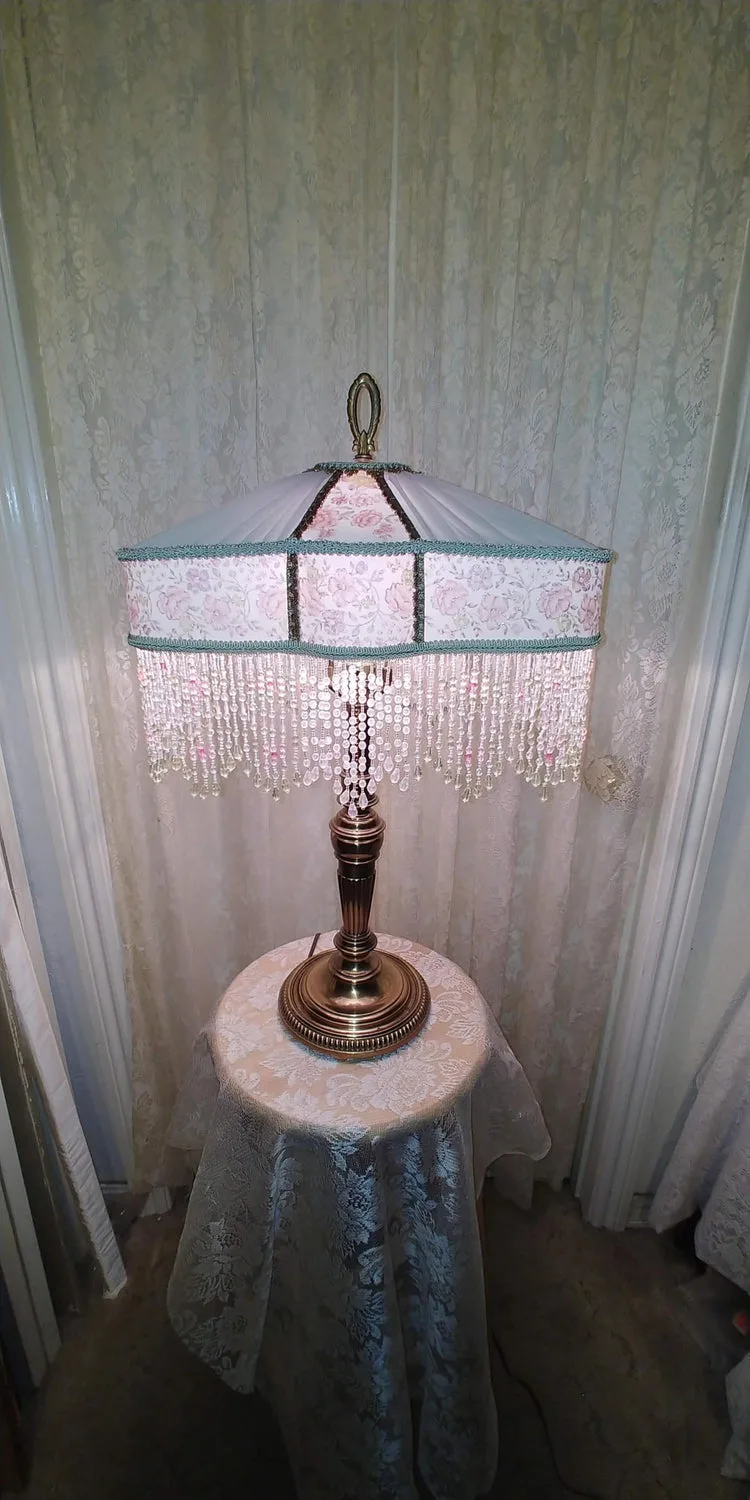
Decorators layered fabric, lace and trims over wire frames. Beaded fringe, scroll trims and small ribbon flowers were common. A shade looked rich even when the lamp was off.
A modern drum shade is usually plain and neutral. A Victorian-style shade is the opposite. It has shape, texture and visible detail. That contrast is why a handmade Victorian lampshade kit appeals to people who like layered decor.
Why Do Victorian-Style Shades Work So Well for Halloween Day Decor?
Halloween decor depends on mood, and light carries most of it. Lace and dark fabric throw a warm, uneven glow that feels old-house and a little haunted, without looking like a costume-store prop.
Fringe sways when someone walks past. Lace adds soft shadow patterns. Deep colors such as black, plum or burgundy push the look further. Add a low-watt bulb and a vintage-style lamp base, and a plain side table becomes a spooky corner.
There is a practical benefit too. Plastic skeletons go back in a bin in November. A handmade shade can stay on the lamp all winter. That makes DIY lampshades a smarter use of your Halloween budget than single-use props.
What Is Inside the Victorian Beauty Lampshade Kit?
The Victorian Beauty Lampshade Kit from LampShadeLady bundles the main materials in one box. According to the product page, it includes:
- A medium wire frame, 10 inches tall and 13 inches wide
- Seam binding
- Lining
- Lace
- Silk chiffon
- French scroll trims
- Six-inch beaded fringe
- Two ribbon rosebud accents
The lamp base is not included, so you will need your own.
Having everything in one set matters for first-timers. Matching fabric and trim is the hardest part of a new project, and a kit settles that question before you start.
How Do You Make a Victorian Lampshade at Home, Step by Step?
Here is the general process most makers follow. Your kit and the shop’s how-to video will show the exact details.
- Wrap the frame: Cover the wire with seam binding. It gives glue or stitches something to grip.
- Add the lining: Fit it smoothly so no wrinkles show when the bulb is on.
- Attach the outer fabric: Silk chiffon is light, so work slowly and keep the tension even.
- Layer the lace: Place it over the fabric and line up the pattern with the frame’s shape.
- Finish the edges: Attach the scroll trim, then the beaded fringe along the bottom.
- Add accents: Place the ribbon rosebuds where they balance the design.
Plan for a few sessions rather than one rushed afternoon. Most first projects go better at a calm pace.
Beginners can pair the kit with the “How to Make Victorian Style Lampshades” video. The shop lists a Beginner’s Bundle that takes 5% off when both items are in your cart. It cannot be combined with other promotions.
Halloween Day is 18 days away, so order early and leave time for the kit to arrive.
Where Can You Find Affordable Supplies for DIY Lampshades?
Start with a shop that focuses on this craft. LampShadeLady, based in Roseville, California, sells DIY lampshades materials in several groups: lampshade kits, lampshade supplies, wire frames and how-to videos.
Buying a full set keeps the shopping list short and prevents mismatched parts. If you want Affordable Victorian Lampshades for Home DIY Projects, a complete kit is the easiest place to begin. Once your first shade is done, you can buy extra trims and frames for the next one.
Local craft stores often carry basic fabric and trims. Specialty frames and matching sets can be harder to find there. A dedicated supplier saves you the search.
How Much Does a DIY Lampshade Project Cost?
Count three things: the kit, the lamp base and any extras. The kit is $169 on the product page. A lamp base is separate.
Thrift stores, estate sales and your own attic are good sources for a sturdy base. You can swap the old shade for your new handmade one.
Handmade fringed shades from custom sellers often cost more because of the hours involved. A kit trades your time for that cost. If you like the look but not the crafting, the shop also lists Mary’s Originals for sale.
Is a DIY Lampshade Kit Worth It for Beginners?
For most first-timers, yes. A kit removes the guesswork about frame size, fabric weight and trim length. You also pick up a skill you can reuse.
After one project, DIY lampshades become a flexible hobby. You can re-cover an old shade, match a room’s colors or make a gift. The same techniques carry over to other styles of DIY lampshades, so your first kit pays off in later projects.
Which Trims and Fabrics Fit a Spooky Look?
Many people searching for Victorian lampshades want the old-parlor look without hunting through antique stores. A few simple choices get you there:
- Choose one main color and one accent. Black with deep red, or plum with gold, reads well in low light.
- Keep the trim count modest. Fringe, lace and one accent are enough.
- Use a warm white bulb, around 2700K, for an amber glow.
- Add a dimmer if your lamp allows it.
Small details matter more than extra layers. A clean, even fringe looks better than a crowded one.
How Can You Keep a Fabric Lampshade Safe?
Fabric near a bulb needs basic care, especially during a season full of candles and decorations.
- Use LED or other low-heat bulbs. They run cooler than incandescent bulbs.
- Check the maximum wattage on the lamp socket label.
- Make sure the shade does not touch the bulb.
- Keep lamps away from curtains and open flames.
- Turn the lamp off when you leave the room or the house.
What Should You Do Next?
Pick your lamp base, order the kit and set aside a few evenings. By Halloween Day you can have a lamp that guests ask about. Handmade Victorian lampshades also keep their value as everyday decor long after October.
If you want more ideas, browse the LampShadeLady blog, read the FAQs or meet the maker on the About page.
FAQs
1. What is a Victorian lampshade?
It is a shade styled after 19th-century designs, with layered fabric, lace, fringe and trims over a wire frame.
2. Can a beginner make a Victorian lampshade?
Yes. A kit supplies matched materials, and a how-to video can walk you through the technique.
3. What size is the frame in the Victorian Beauty kit?
It is a medium frame, 10 inches tall and 13 inches wide.
4. Does the kit include a lamp base?
No. You need to supply your own base.
5. How much does the kit cost?
The product page lists it at $169.
6. How long does it take to make one?
It depends on your experience. Plan on several short sessions.
7. Can I use a Victorian shade for Halloween Day decor?
Yes. Dark colors, lace, fringe and a warm bulb create a spooky look.
8. What bulb works best?
A warm white LED that stays within the wattage limit on your lamp socket.
9. Do I need sewing skills?
Basic hand sewing helps. Follow the method shown in your kit’s guide or the how-to video.
10. Where can I buy supplies for DIY lampshades in the US?
LampShadeLady sells kits, frames and supplies online from Roseville, California.