
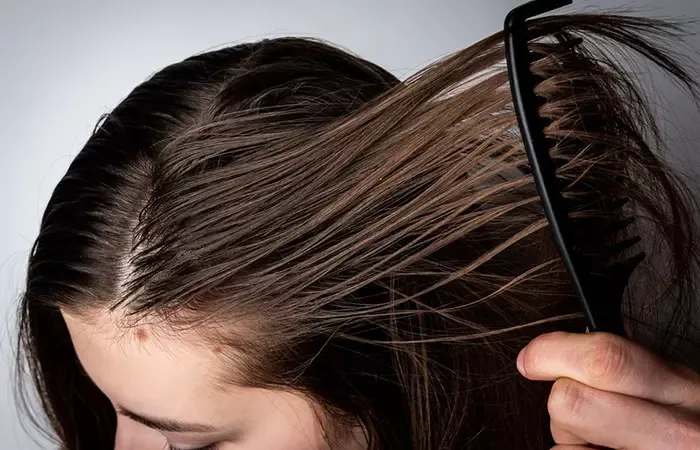
If your hair looks greasy only a few hours after washing, you're probably wondering what you're doing wrong. Many people believe oily hair means poor hygiene, but that's rarely the case. Your scalp naturally produces oil to protect your hair, and the real challenge is keeping that oil in balance rather than trying to remove it completely.
Learning how to make hair not oily isn't about washing your hair as often as possible or buying every product that promises instant results. Instead, it's about understanding how your scalp works and building simple habits that help your hair stay cleaner and fresher for longer.
The good news is that a few small changes to your routine can often make a noticeable difference.
Why Does Hair Become Oily So Quickly?
Every hair follicle is connected to a sebaceous gland that produces sebum. This natural oil keeps your scalp healthy and helps prevent hair from becoming dry and brittle.
When these glands produce more oil than your scalp needs, the excess sebum spreads through your hair, making the roots appear shiny and flat.
Several factors can contribute to this, including:
- Genetics
- Hormonal changes
- Humid weather
- Heavy styling products
- Frequent touching of your hair
- Overwashing with harsh cleansers
If you've ever wondered why hair becomes oily so quickly, understanding these causes makes it easier to choose the right solution instead of relying on temporary fixes.
Stop Fighting Your Scalp
One of the biggest mistakes people make is treating natural oil like the enemy.
Your scalp needs sebum to protect both your skin and your hair. Removing every trace of oil may leave your scalp feeling dry, which can encourage it to produce even more oil to compensate.
Instead of trying to eliminate oil completely, focus on supporting your scalp's natural balance.
A healthy scalp usually produces enough oil to protect your hair without making it look greasy after only a few hours.
Choose the Right Cleanser
The products you use have a significant impact on how your hair feels between washes.
A gentle Shampoo for oily hair should remove excess oil, dirt, and product build-up without stripping away all of your scalp's natural protection.
Hair that feels clean but comfortable after washing is usually a sign that your cleanser is working well.
If your scalp feels tight or irritated every time you wash your hair, your current shampoo may be too harsh.
Everyday Habits Matter More Than You Think
Many people don't realise how often they spread oil through their own hair.
Running your fingers through your hair while working, constantly adjusting your hairstyle, or brushing repeatedly from the roots all move natural oils along the hair shaft.
These habits seem harmless, but throughout the day they can make freshly washed hair appear much oilier than it actually is.
Another simple habit worth reviewing is how often you clean your hairbrush. A brush covered with old oil and styling products transfers that residue back onto clean hair every time you use it.
Consider Simpler Hair Care
Hair care doesn't always have to involve multiple bottles and complicated routines.
Many people are choosing a Shampoo hair bar because it offers gentle cleansing while helping reduce plastic waste. A well-formulated shampoo bar can effectively remove excess oil and daily build-up without leaving the scalp feeling overly dry.
Simple routines are often easier to maintain, and consistency is usually what delivers the best long-term results.
Build Better Habits Instead of Looking for Quick Fixes
It's tempting to believe there's one product that will permanently solve oily hair.
In reality, healthy hair is usually the result of small habits repeated consistently.
If you're looking for effective ways to manage oily hair naturally, paying attention to your washing routine, product choices, and everyday habits will often have a greater impact than constantly changing shampoos.
Lifestyle Choices Can Affect Your Scalp
Sometimes the reason your hair feels oily has nothing to do with the shampoo you're using.
Hot weather, regular exercise, stress, and even wearing hats for long periods can make your scalp feel greasier. Sweat mixes with natural oils, making the roots look flat much sooner than expected.
Your diet and overall health also play a role. While no single food causes oily hair, eating a balanced diet, staying hydrated, and getting enough sleep all contribute to a healthier scalp. These habits won't stop oil production overnight, but they can support a more balanced hair care routine.
Common Mistakes That Keep Hair Oily
Many people unknowingly make oily hair harder to manage by following advice that sounds logical but doesn't always help.
Some of the most common mistakes include:
- Washing your hair several times a day.
- Using very hot water.
- Applying conditioner directly to the scalp.
- Using too many heavy styling products.
- Touching your hair throughout the day.
- Forgetting to clean brushes and combs.
These habits can make hair appear greasier or encourage product build-up, making it harder for your scalp to stay balanced.
Learn What Your Scalp Is Telling You
Every scalp behaves differently.
Some people naturally produce more oil because of genetics, while others notice changes during humid weather or periods of stress. That's why copying someone else's routine doesn't always produce the same results.
Taking time to understand the common causes of excess scalp oil can help you recognise which factors are affecting your own hair. Once you identify those triggers, it's much easier to adjust your routine and choose products that support your scalp rather than work against it.
A Simple Routine That Works
Managing oily hair doesn't need to be complicated.
A practical routine could look like this:
Every Wash
- Cleanse with a gentle Shampoo for oily hair.
- Massage your scalp using your fingertips.
- Apply conditioner only to the mid-lengths and ends.
- Rinse thoroughly with lukewarm water.
Once a Week
- Wash your hairbrushes and combs.
- Remove product build-up from styling tools.
- Check whether your current styling products still suit your hair type.
Every Day
- Avoid touching your hair unnecessarily.
- Use lightweight styling products.
- Protect your scalp from excessive heat and humidity where possible.
These simple habits are easier to maintain than complicated routines and often produce better long-term results. explore guide on How to Get Rid of Oily Hair With the Right Hair Care Routine.
Conclusion
Learning how to make hair not oily isn't about removing every drop of natural oil. A healthy scalp needs sebum to protect both the skin and the hair. The goal is to create balance through consistent habits, gentle cleansing, and products that suit your hair type. Choosing a suitable Shampoo for oily hair, trying a nourishing Shampoo hair bar, and understanding your scalp's individual needs can help your hair stay fresher, lighter, and easier to manage every day.
Frequently Asked Questions
1. Why does my hair become oily so quickly?
Oily hair is usually caused by excess sebum production. Genetics, hormones, weather, product build-up, and daily habits can all influence how quickly your hair becomes greasy.
2. How often should I wash oily hair?
The ideal schedule depends on your scalp and lifestyle. Washing with a gentle cleanser when needed is generally more effective than overwashing with harsh products.
3. Can a shampoo hair bar help oily hair?
Yes. A well-formulated Shampoo hair bar can remove excess oil and product build-up while helping maintain your scalp's natural balance.
4. Is conditioner bad for oily hair?
No. Conditioner is still important, but it should be applied to the mid-lengths and ends rather than directly onto the scalp.
5. What is the best way to keep hair fresh between washes?
Avoid touching your hair frequently, use lightweight styling products, keep your brushes clean, and follow a consistent hair care routine that supports a healthy scalp.