When your trees need tree surgery services, it's just the beginning of their recovery journey. Just like humans need care after an operation, trees require special attention to heal properly and grow strong again. At Heritage Tree Care Ltd, we've seen countless trees bounce back beautifully when given the right aftercare. Here's everything you need to know about maintaining your trees after surgery.
Understanding Tree Surgery Recovery
Tree surgery isn't a one-and-done process. Whether you've used tree cutting services Cork or had branches removed, your tree has experienced trauma. The wounds need time to heal, and the tree needs support to regain its strength. Think of it as helping a friend recover - you wouldn't expect them to run a marathon the next day, and the same patience applies to your trees.
Immediate Aftercare Steps
Right after surgery, your tree is vulnerable. The first few weeks are critical. Make sure to keep the area around your tree clean. Remove any debris, fallen branches, or sawdust that might harbor pests or diseases. If you've worked with the best tree surgeons Macroom has to offer, they'll likely have cleaned up thoroughly, but it's worth double-checking.
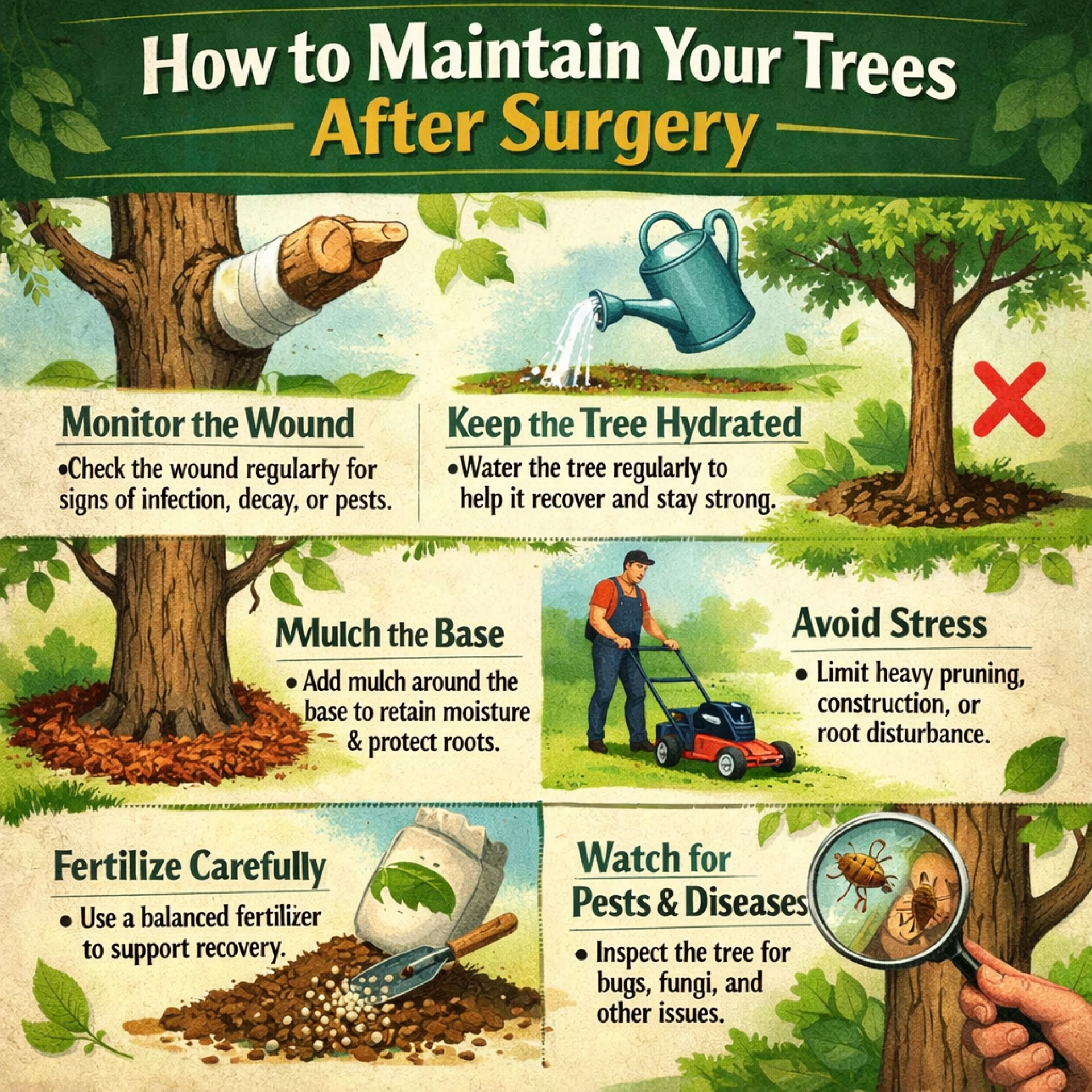
Water is your tree's best friend during recovery. Give your tree a deep watering once a week, especially during dry spells. The soil should be moist but not waterlogged. Too much water can cause root rot, while too little can stress an already weakened tree.
Monitoring for Problems
Keep a close eye on your tree in the months following surgery. Look for signs of disease like discolored leaves, unusual fungal growth, or oozing sap from wounds. If you notice anything concerning, contact tree assessment services immediately. Early detection can prevent small problems from becoming big disasters.
Watch for pest infestations too. Wounded trees can attract insects that normally wouldn't bother healthy trees. If you see holes in the bark, sawdust-like material around the base, or unusual insect activity, get professional help right away.
Supporting New Growth
As your tree heals, you'll see new growth appearing. This is a wonderful sign! However, don't rush to fertilize. Wait at least one full growing season before adding nutrients. The tree needs to focus its energy on healing wounds, not pushing out excessive new growth.
When you do fertilize, use a balanced, slow-release formula. Avoid high-nitrogen fertilizers that promote rapid growth. Slow and steady wins the race when it comes to tree recovery.
The Importance of Root Health
What happens underground is just as important as what you see above ground. If you had extensive work done, consider getting a tree root survey to ensure the root system wasn't compromised. Healthy roots mean a healthy tree. They're the foundation of everything.
Avoid compacting the soil around your recovering tree. Don't park vehicles near it or pile heavy materials on the root zone. The roots need oxygen, and compacted soil makes it hard for them to breathe.
Long-Term Maintenance
Even after your tree seems fully recovered, continue regular monitoring. Schedule annual check-ups with professional tree surgery services to catch potential problems early. Prevention is always cheaper and easier than emergency treatment.
Mulch around the base of your tree, keeping it a few inches away from the trunk. A 2-3 inch layer of organic mulch helps retain moisture, regulates soil temperature, and adds nutrients as it breaks down.
When to Call Professionals
Some situations require expert attention. If you notice significant dieback, cracks in the trunk, leaning, or sudden leaf drop, don't wait. Contact Heritage Tree Care Ltd or other qualified professionals immediately. Sometimes what looks like a simple issue can indicate serious structural problems.
FAQ
How long does it take for a tree to recover from surgery?
Most trees take 1-3 years to fully recover, depending on the extent of the surgery and the tree species. Some hardy trees bounce back in one growing season, while others need more time.
Can I prune my tree again soon after surgery?
It's best to wait at least one full year before doing any additional pruning. Give your tree time to heal and regain strength.
Should I seal or paint the wounds after tree surgery?
No. Modern arboriculture research shows that trees heal better when wounds are left to seal naturally. Wound dressings can actually trap moisture and promote decay.
How do I know if my tree is healing properly?
Look for new growth, healthy leaf color, and gradual closing of wounds. The tree should show vigor and not display signs of stress like wilting or yellowing leaves.
Is it normal for some leaves to drop after surgery?
Yes, some leaf drop is normal as the tree redirects energy to healing. However, excessive or sudden leaf loss should be checked by professionals.
Final Thoughts
Maintaining your trees after surgery doesn't have to be complicated. With proper watering, monitoring, and patience, your trees will recover and continue to beautify your property for years to come. At Heritage Tree Care Ltd, we're always here to help guide you through the recovery process and ensure your trees get the care they deserve.
Remember, investing time in proper aftercare today saves you money and heartache tomorrow. Your trees are worth it!